How To Start A Mobile Tire Service Business: Launch Guide
A mobile tire service business brings tire repair, replacement, and related work to customers at home, at work, or at a safe roadside location. To start one in the United States, choose a focused service area and service list, check local rules, set up the business and insurance, buy equipment that fits your jobs and vehicle, then price and market each service to cover travel, labor, and overhead.
Your best first move is to define what you will—and will not—do. A business that handles flat-tire calls has different equipment, costs, and risks from one that mounts and balances new tires at customers’ homes.

1. Choose your services and business model
Start with a small set of services you can perform safely and profitably. “Mobile tire service” can mean roadside help, scheduled tire work at homes or workplaces, or both.
| Service model | Typical work | Main needs |
|---|---|---|
| Roadside tire help | Install a customer’s usable spare, inflate a tire, or assess a flat | Safe dispatch, roadside gear, clear limits on where you will work |
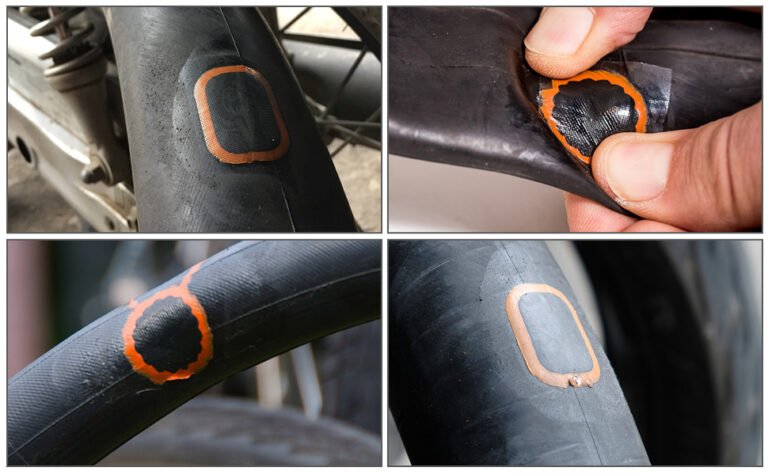
| Mobile tire repair | Inspect and repair eligible punctures | Tire inspection skills, repair tools, safe lifting equipment |
| Mobile tire replacement | Install tires supplied by the customer or your business | Tire sourcing, lifting equipment, torque tools, disposal plan |
| Mobile mounting and balancing | Remove a tire from a wheel, mount another tire, and balance the assembly | A suitable tire changer and balancer, secure work area, more room and power |
| Fleet service | Scheduled work for business vehicles | Account terms, records, service windows, fleet-specific equipment |
A flat tire is not always repairable. Damage to a sidewall, a tire that has been driven while flat, or a puncture outside the repairable area may require replacement. Follow current tire industry repair guidance and the tire maker’s limits; do not promise a repair before inspecting the tire.
Choose your first customers, too. Private drivers may value evening or weekend help. Fleets may offer repeat work, but often expect set response times, service records, and agreed pricing. A focused offer is easier to explain and schedule than “we fix every tire, anywhere.”
2. Research your local market and service area
Check whether enough customers in your area need the service you plan to offer. Map likely customers, competing providers, travel times, and places where you can safely work.
Search for local mobile tire businesses, roadside services, tire shops, and fleet repair providers. Compare their listed services, hours, service areas, and booking methods. Treat online prices as clues, not proof of what customers will pay; fees may depend on distance, time, tire size, or the job.
Talk with potential customers before buying major equipment. Ask fleet managers, apartment operators, delivery firms, and local employers how they handle flat tires and scheduled replacement. Their answers can reveal useful needs, such as after-hours service or on-site work, but confirm demand with paid jobs before making large investments.
Set a service radius based on time and cost, not just miles. A 20-mile trip through city traffic can take longer than a 30-mile drive on an open road. Set clear travel fees or zones, and note locations you will not serve if there is no safe place to work.
3. Write a simple business plan and check the numbers
A short business plan helps you decide what to buy and how many jobs you need. Include your service list, target customers, service area, startup costs, monthly costs, pricing, and a plan for slow periods.
List startup costs before you shop. Common items include a service vehicle, tire tools, lifting gear, safety equipment, insurance, business registration, software, initial tire inventory, and working cash. Get local quotes; costs vary widely by vehicle, equipment condition, financing, and the services you choose.
Use this basic break-even formula:
Monthly break-even jobs = monthly fixed costs ÷ contribution per job
Contribution per job is the amount left after job-specific costs, such as parts, payment fees, disposal charges, and fuel directly tied to that call. It is not the same as gross sales.
Hypothetical example: If fixed costs are $6,000 per month and each job contributes $115 after direct costs, you need about 53 jobs per month to cover those costs. This example is only a calculation; it is not a market price or profit forecast.
Track time as well as dollars. A job that pays well but takes two hours of travel and work may earn less per hour than a lower-priced job close to your base. Review results by service type, travel zone, and time of day.
4. Set up the business and verify local requirements
Choose a business structure, register the business as required, and keep business money separate from personal money. The U.S. Small Business Administration explains common business structures and registration steps, while the IRS provides guidance on applying for an Employer Identification Number (EIN).
Requirements depend on your state and city. Before taking calls, ask the state, county, or city offices that oversee business licenses, vehicle use, sales tax, and waste handling. Tire sales, repair labor, and disposal charges may receive different tax treatment by location, so confirm with your state tax agency or a qualified tax professional.
Check whether your work triggers vehicle or commercial driver rules. Federal Motor Carrier Safety Administration requirements can depend on factors such as vehicle weight, use, and interstate operation. Do not assume that a service van is exempt just because it serves local customers; check the rules that fit your vehicle and work.
Plan for used tires and waste. Find out how your area regulates tire storage, transport, and disposal, and use an approved route for scrap tires where required. Keep records of disposal and any customer charges.
5. Buy the right vehicle, tools, and safety gear
Match equipment to the service you will actually sell. A van set up for spare-tire installation is not the same as a truck that carries a tire changer, balancer, and tire inventory.
Core tools may include:
- A suitable jack and rated support equipment for the vehicles you service
- Wheel chocks, impact wrench, sockets, and hand tools
- A calibrated torque wrench and vehicle-specific torque information
- Tire pressure gauge and air supply
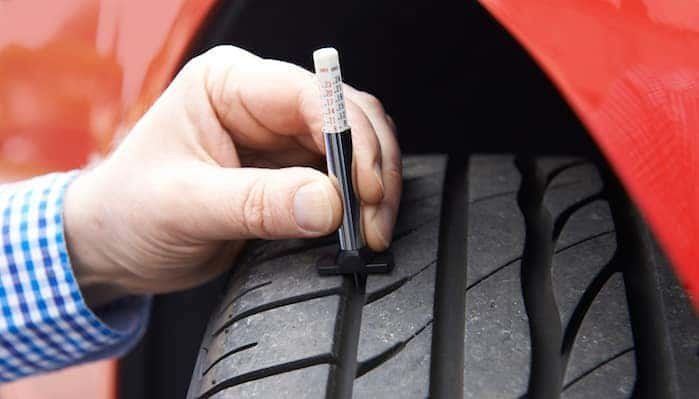
- Tire inspection and repair tools, if repair is part of your service
- A tire changer and wheel balancer, if you will mount and balance tires
- TPMS tools and access to accurate relearn information, if you offer TPMS work
- High-visibility clothing, work lights, cones, first-aid supplies, and fire extinguisher
- Secure storage for tires, tools, and waste
Check the vehicle’s payload before loading it. The van or truck must safely carry workers, tools, tires, fuel, and other cargo within its rated limits. Secure heavy equipment and tires so they cannot shift during braking or a crash.
Do not work under a vehicle supported only by a jack. Use equipment suited to the vehicle and surface, follow its instructions, and stop if the ground is soft, sloped, unstable, or unsafe. If traffic, weather, lighting, or the customer’s location creates a hazard, move the job to a safer place or decline it.
6. Set prices that cover travel, labor, and risk
Build each price from the work involved. A useful quote may include a call-out or travel fee, labor, parts or tires, disposal, after-hours service, and any applicable tax.
Decide how you will quote before dispatch. Ask for the vehicle make and model, tire size, location, symptoms, and whether the customer has a usable spare. A photo of the tire sidewall can help confirm the size, but it cannot establish whether a damaged tire is safe to repair.
Use written estimates and state what can change the price. For example, a quoted puncture repair may become a replacement if inspection finds sidewall damage or internal damage from driving while flat. Get approval before doing extra work.
Do not compete only on the lowest call-out fee. The job also includes dispatch time, travel, fuel, insurance, equipment upkeep, payment processing, and the chance that a call cannot be completed. Review actual job costs each month and adjust prices when the numbers do not work.
7. Create a safe, repeatable service process
A clear process reduces missed details and helps customers understand what to expect. Use the same basic steps for each call, then adapt them to the vehicle and site.
- Screen the call. Confirm the exact location, vehicle, tire size, problem, and whether the vehicle is in a safe place.
- Give a clear estimate. Explain the call-out fee, likely work, travel charge, and conditions that may change the quote.
- Assess the work site. Do not begin if traffic, ground conditions, weather, or visibility make the job unsafe.
- Inspect before repair. Check the tire and wheel; do not repair a tire that falls outside accepted repair limits.
- Use the correct procedure. Follow equipment instructions and vehicle-specific information, including the specified wheel fastener torque.
- Check the result. Confirm inflation, wheel installation, and any TPMS warning or relearn requirement relevant to the work.
- Document and close the job. Record the work, parts, customer approval, payment, and any limits or follow-up advice.
A TPMS warning light may need a vehicle-specific reset or relearn after tire work. Do not tell a customer the system is fixed unless you have completed the required procedure and confirmed the result. If you lack the right tools or information, explain the limit and refer the customer to a qualified shop.
8. Get insurance and protect customer trust
Ask an insurance broker who works with auto service businesses to review your actual work. Discuss commercial auto coverage, general liability, tools and equipment, workers’ compensation if you hire staff, and coverage for customer vehicles in your care or control. A standard personal auto policy may not cover business use.
Keep written records of estimates, customer approval, inspections, parts, and work performed. Use clear terms for cancellations, after-hours calls, warranties, and situations where you decline service. Do not promise that a repair will last indefinitely or that a tire is safe when inspection does not support that conclusion.
Train staff before they work alone. They need to know how to use lifting and tire equipment, protect themselves near traffic, handle customer data, and stop work when conditions are unsafe. Review incidents and near misses, then update the process.
9. Find customers and manage repeat work
Make it easy for nearby customers to understand what you do and how to book. A simple website or business profile should list your service area, hours, services, limits, and a working phone number. Use accurate business details and avoid claiming 24-hour coverage unless you can reliably provide it.
Build referral ties with fleets, used-car dealers, property managers, repair shops, and roadside providers. Put the service area, rates, response terms, and payment process in writing. For fleet accounts, agree on who can approve work and how you will report completed jobs.
Ask satisfied customers for honest reviews without offering rewards for positive ratings. Track where each new customer came from and which services lead to repeat work. That information can guide your marketing better than broad claims about being the “best” or “fastest.”
Common mistakes to avoid
- Buying equipment before choosing services: It can leave you with costly tools that do not fit your customer base or vehicle.
- Underpricing travel: A low service fee can turn distant calls into losses.
- Promising roadside work everywhere: Some shoulders and parking areas are unsafe or unsuitable.
- Repairing without a full inspection: A visible puncture does not rule out internal damage.
- Ignoring local rules: Licensing, tax, waste, and vehicle requirements can vary by location.
- Skipping written approval: Customers should know the price and scope before extra work begins.
- Carrying too much tire stock: Tires take space and tie up cash; start with a sourcing plan and stock only what demand supports.

Key Takeaways
- Pick a focused service model before buying major equipment.
- Check local business, tax, vehicle, and tire-disposal requirements.
- Price for travel, labor, parts, overhead, and the time a job takes.
- Put safety first; decline work when the site or tire condition is not suitable.
- Track job costs and customer sources so you can refine the service over time.
Frequently Asked Questions
How much does it cost to start a mobile tire service?
There is no single reliable startup figure. Costs depend on whether you buy or finance a vehicle, whether you mount and balance tires, how much equipment you carry, your insurance, and local requirements. Get written quotes for the vehicle, tools, insurance, registration, and any inventory before setting a budget.
Do I need a tire shop to run a mobile tire business?
Not always. Some operators focus on roadside help or scheduled work and use a shop or supplier for services they do not perform. If you plan to mount and balance tires on site, confirm that your vehicle, equipment, power supply, and work area can support that service safely.
Can I repair every flat tire?
No. A tire may be unsafe to repair because of its location, size or type of damage, internal damage, or the tire maker’s limits. Inspect it before quoting a repair, and replace or refer the tire when it does not meet accepted repair criteria.
Do I need special training or a license?
Rules vary by state and locality, and the answer can depend on your services, vehicle, and business structure. Check with local licensing and tax offices, and confirm applicable vehicle rules with the relevant state or federal agency. Training in tire repair, lifting, and wheel installation can help you work safely, even where a specific credential is not required.
How can I win fleet customers?
Offer a clear service area, documented pricing, reliable scheduling, and consistent service records. Start with local businesses that operate vehicles and ask how they handle tire problems now. Agree in writing on approval limits, billing, response expectations, and the work you do not provide.
Conclusion
Start by choosing a service model and confirming that local demand supports it. Then verify rules, build a realistic cost plan, buy equipment for the jobs you will take, and use a safe process for every call. Before expanding, review your job records to see which services and travel zones bring in enough revenue to sustain the business.