Do Run Flat Tires Need Nitrogen: The Facts Explained
For U.S. drivers, the answer is no: run-flat tires do not need nitrogen. They can be inflated with regular compressed air, as long as each tire is kept at the pressure listed on the vehicle’s door-jamb placard or in the owner’s manual.
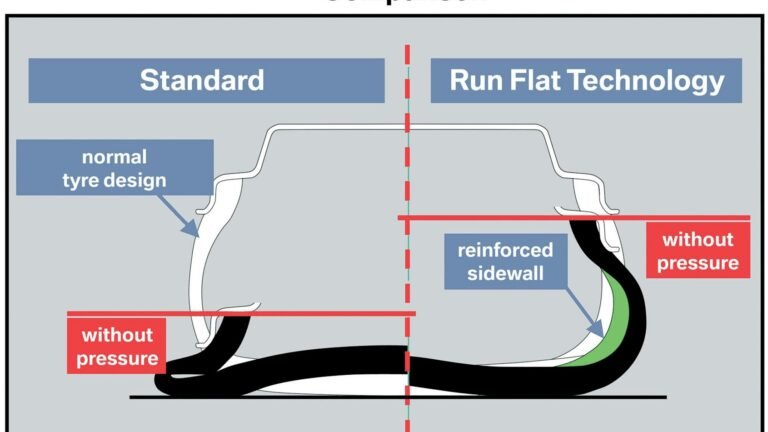
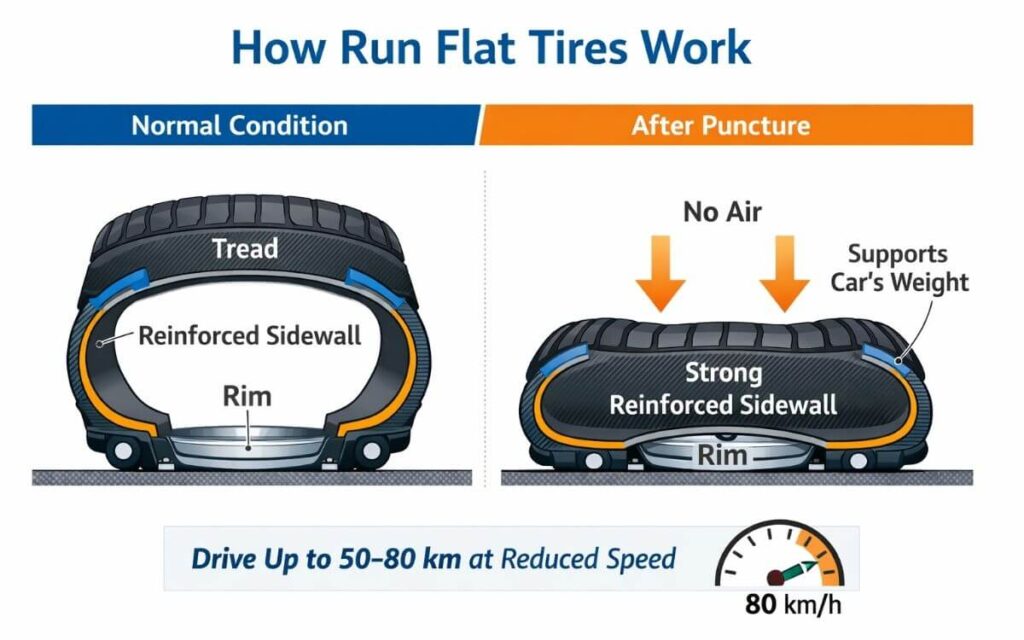
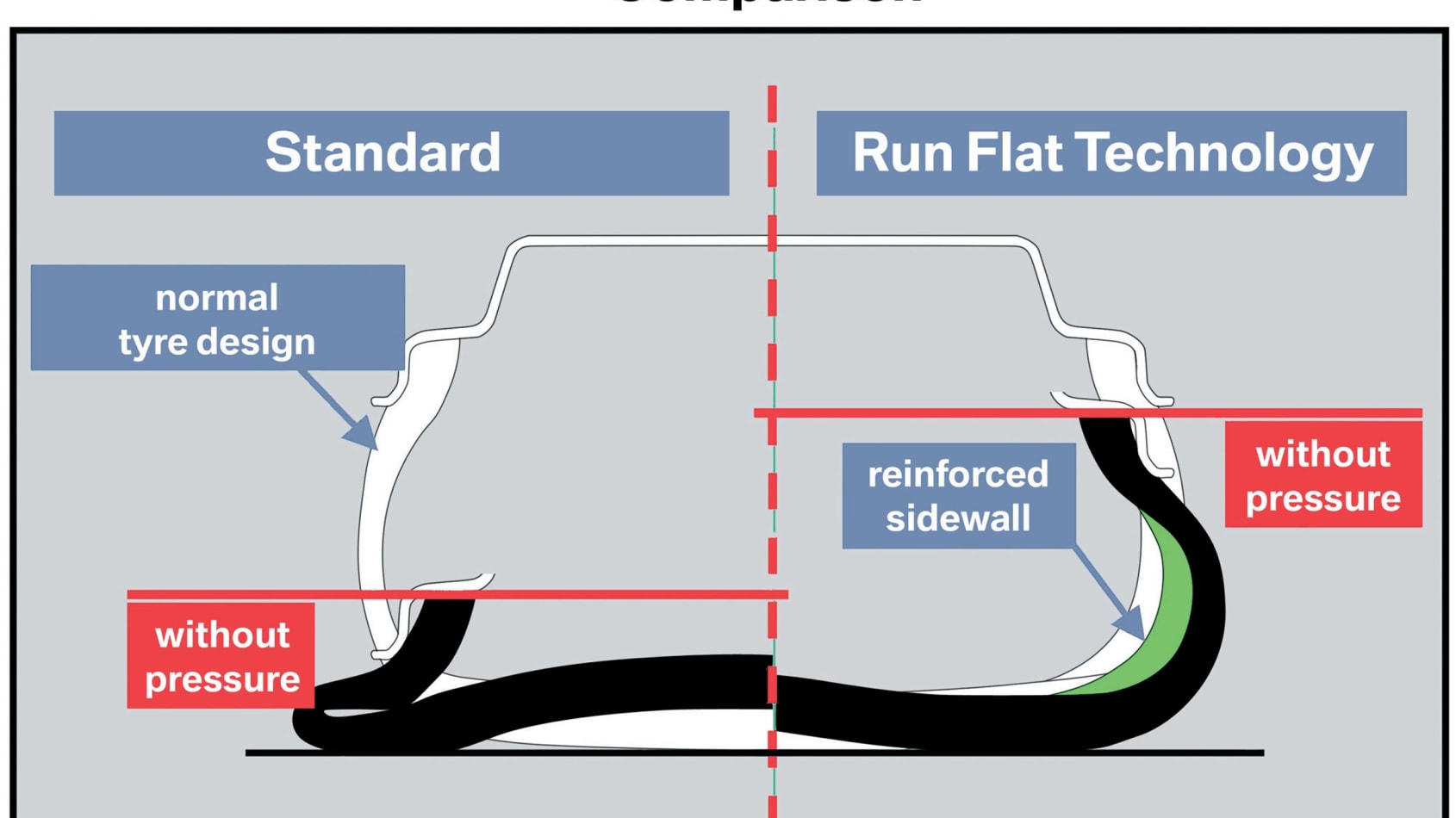
Run-flat construction lets a tire support a vehicle for a limited distance after a loss of pressure. It does not make nitrogen necessary, prevent punctures, or remove the need to check tire pressure. Use the inflation gas your tire shop has available, then keep the tires at the vehicle maker’s recommended pressure.
Do run-flat tires need nitrogen?
No. A run-flat tire works with regular air or nitrogen. Its ability to support the vehicle after losing pressure comes from its design, not from the gas inside it.
Regular air is already about 78% nitrogen. Adding pure or high-purity nitrogen can reduce the amount of water vapor in a tire, but that does not give a run-flat tire a special need for nitrogen. NHTSA’s tire safety guidance focuses on checking pressure and following the vehicle maker’s recommendations—not using a particular inflation gas.
The most important number is the recommended cold tire pressure on your vehicle’s door placard or in its owner’s manual. Do not use the maximum pressure molded into the tire sidewall as your routine target; that figure is not a substitute for the vehicle’s recommended pressure.

Why is nitrogen used in tires?
Nitrogen is a dry, inert gas. Some tire shops offer it because reducing moisture in the tire can limit pressure changes tied to water vapor and may slow pressure loss in some conditions. But nitrogen does not keep a tire at the correct pressure forever.
For most drivers, any practical difference between nitrogen and regular air is less important than checking pressure and correcting it when needed. NHTSA recommends checking tires at least once a month and before long trips. Check when the tires are cold, before driving far or after the vehicle has been parked for several hours.
Temperature also affects pressure. A cold snap can lower a tire’s pressure, while warmer weather can raise it. If the tire pressure warning light comes on, check all tires with a gauge as soon as it is safe to do so; do not assume the tires are fine because they contain nitrogen.

Can you add regular air to a nitrogen-filled run-flat tire?
Yes. You can top up a nitrogen-filled tire with regular compressed air. Doing so lowers the nitrogen concentration, but it does not damage the tire or make it unsafe. Correct pressure matters more than keeping the gas pure.
If you cannot get nitrogen when a tire is low, use clean, dry compressed air and inflate the tire to the vehicle maker’s recommended pressure. Tell the tire shop if you prefer to use nitrogen again later, but do not leave a tire underinflated while looking for it.
| Situation | What to do |
|---|---|
| A nitrogen-filled tire is low | Add regular air or nitrogen to the recommended cold pressure. |
| A tire shop has only compressed air | Use it; do not drive on a low tire to find nitrogen. |
| You want to switch back to nitrogen | Ask a tire shop to refill the tire, if available. |
| Pressure keeps dropping | Have the tire and wheel checked for a leak or damage. |

How to maintain run-flat tire pressure
Use this simple routine to help keep run-flat tires in serviceable condition:
- Find the recommended pressure. Check the placard on the driver’s door frame or the owner’s manual. Different vehicles, tire sizes, or front and rear positions may have different pressure targets.
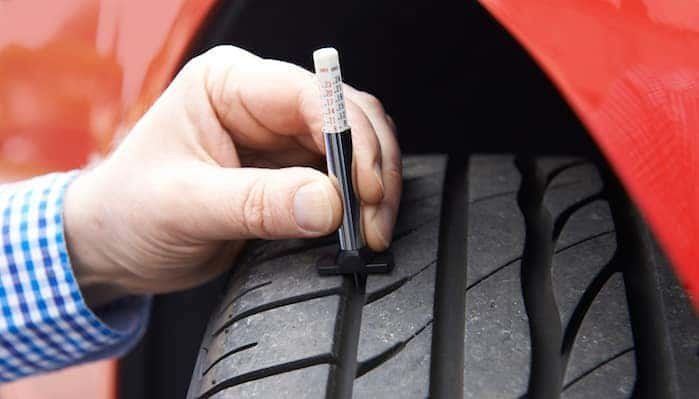
- Check the tires when cold. Use a reliable pressure gauge before driving far. If you have already driven, let the tires cool before making a routine pressure adjustment.
- Inflate to the listed pressure. Add air or nitrogen as needed. Recheck with the gauge, then replace the valve caps.
- Check all tires monthly and before a long drive. Also check after a major temperature change or if the tire-pressure monitoring system (TPMS) warning comes on.
- Get a persistent pressure loss checked. A puncture, damaged valve, wheel leak, or other fault may be the cause.
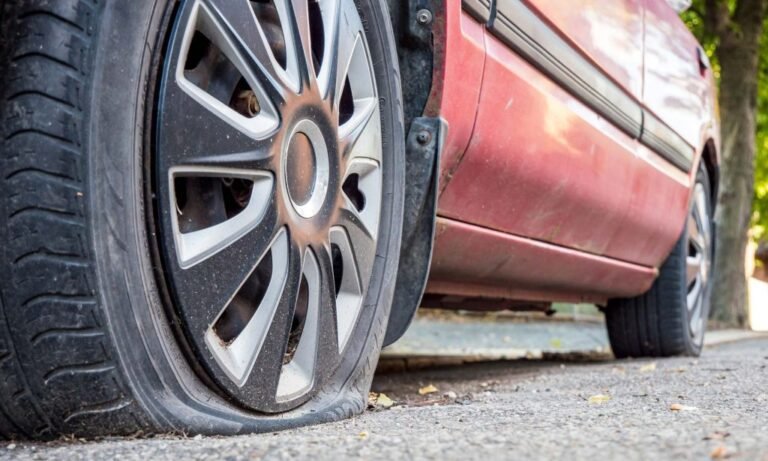
Run-flat tires are not a reason to ignore a TPMS warning. Their reinforced sidewalls can make it harder to notice a pressure loss by sight or feel, so use the dashboard warning and a pressure gauge. Follow your vehicle and tire maker’s instructions if a run-flat tire loses pressure; the allowed distance and speed depend on the tire and vehicle.
Common mistakes to avoid
- Using the tire’s sidewall maximum as the normal target. Use the vehicle placard or manual instead.
- Assuming nitrogen prevents pressure loss. All tires need routine pressure checks.
- Driving on a flat run-flat tire without checking its limits. Run-flat capability is limited, and the permitted speed and distance vary by tire and vehicle.
- Ignoring a warning because the tire still looks normal. A tire can be underinflated without an obvious change in appearance.
- Waiting for nitrogen when a tire needs air. Correct the pressure promptly with available compressed air, then have a persistent loss inspected.
FAQs
Will regular air damage a run-flat tire?
No. Regular compressed air is suitable for run-flat tires. Inflate the tire to the pressure listed by the vehicle maker.
Does nitrogen make run-flat tires safer?
Nitrogen is not required for run-flat safety. Correct pressure, routine checks, and following the tire and vehicle makers’ instructions are more important.
Can I mix nitrogen and air?
Yes. You can add regular air to a tire that contains nitrogen. The mix is safe, though it will have a lower nitrogen concentration.
Should I check nitrogen-filled tires less often?
No. Check them on the same schedule as tires filled with regular air—at least monthly and before long trips.
Can I keep driving after a run-flat loses pressure?
Only within the limits set for your specific tire and vehicle. Check the owner’s manual and tire maker’s guidance, and arrange an inspection or replacement as soon as possible. If the tire is damaged or the vehicle handles abnormally, stop in a safe place and get help.
Bottom line
Run-flat tires do not need nitrogen. Regular compressed air is fine, and you can use it to top up a nitrogen-filled tire. Check pressure regularly, use the vehicle’s recommended cold pressure, and follow the run-flat limits in your owner’s manual.