What Flat Tire Meaning Is and How to Identify the Damage
A flat tire is a condition where the air pressure inside a wheel drops significantly, preventing it from holding the vehicle’s weight. This loss of pressure happens because of a puncture, a damaged valve stem, or a loose seal between the rubber and the metal rim. If you notice your car pulling to one side or hear a flapping sound, you must stop immediately.
What a flat tire really means
You can spot a tire problem early if you know what to watch for while driving, which is the key to learning how to diagnose why your car is pulling or vibrating.
The steering wheel vibrates or pulls firmly toward one side of the road. This often indicates uneven air pressure or a belt separation inside the tire structure.
Your dashboard displays a yellow warning light showing an exclamation point inside a horseshoe. If this light stays solid, your pressure has dropped below the threshold set by the manufacturer, typically 25% below the recommended PSI.
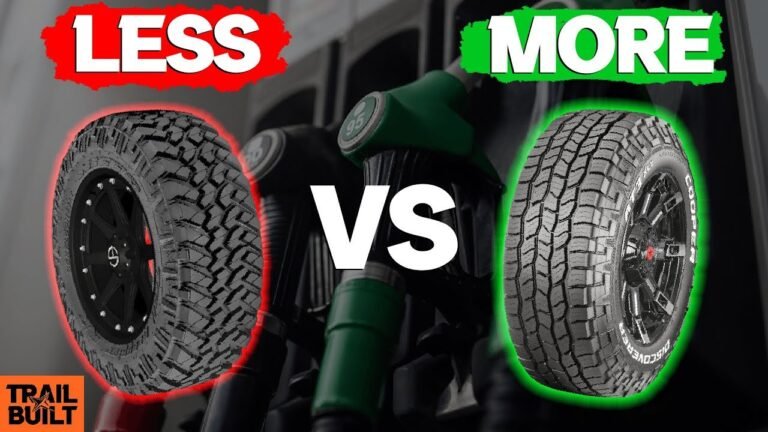
The car feels sluggish or heavy, as if the engine is working harder than usual. Increased rolling resistance from an underinflated tire forces your engine to burn more fuel to maintain speed.
You hear a rhythmic thumping or flapping noise coming from the wheels while moving. This sound suggests a tread separation or a foreign object lodged in the rubber.
The vehicle sits lower on one corner when parked on a flat, level surface. Visual inspection shows the sidewall looks wrinkled or sits very close to the ground. If you see these bulges, replace the tire immediately to prevent a blowout.
Why Tires Lose Air Pressure
The primary reason for air loss is a physical breach in the tire’s structure, often caused by sharp objects like nails or screws on the road. When an object penetrates the rubber, it creates a small hole that allows compressed air to escape slowly over time. This is a common cause of a slow leak, which might not be obvious until the tire is nearly empty.
Temperature changes also impact your tire pressure. Air expands when hot and contracts when cold, according to the National Highway Traffic Safety Administration guidelines. For every 10 degrees Fahrenheit drop in ambient temperature, your tire pressure typically decreases by about 1 PSI. Checking your pressure monthly ensures you stay within the manufacturer’s recommended range, which is found on the sticker inside your driver-side door frame.
Internal damage to the tire bead, where the rubber meets the metal wheel, can also cause air to leak. This often happens after hitting a deep pothole or a curb at high speed. If the metal rim bends even slightly, it breaks the airtight seal. If you suspect rim damage, you should have a professional technician inspect the wheel to see if it needs repair or replacement.
When Air Pressure Issues Differ
Not every drop in pressure indicates a puncture. Some situations require different actions to fix the problem safely.
| Situation | What changes | What to do instead |
|---|---|---|
| Cold weather | Air contracts naturally | Add air to reach PSI |
| Valve stem leak | Air escapes at valve | Replace the valve stem |
| Bent metal rim | Seal is broken | Repair or replace wheel |
| Overloaded vehicle | Excessive weight crushes tire | Remove excess cargo weight |
| Old rubber | Cracks allow air loss | Replace all four tires |
A common mistake is assuming a pressure warning light always means a leak. In reality, a ten-degree drop in ambient temperature typically causes a one-PSI decrease in tire pressure. If your light triggers during a cold snap, check the tire gauge before visiting a mechanic.
If the pressure consistently drops in only one tire, spray the valve stem with soapy water. Bubbles indicate a faulty core rather than a tread puncture. If you see bubbles at the rim edge, the wheel bead is likely corroded. In this case, a simple patch will fail. You must have the bead cleaned or the wheel replaced to restore a proper seal.
Steps to Handle a Low Tire
If you suspect your tire is losing air, follow these steps to manage the situation safely. Always prioritize your personal safety by moving away from traffic before you step out of the vehicle.
- Find a safe, flat, and level area away from moving traffic to park your car.
- Turn on your hazard lights so other drivers can see you clearly.
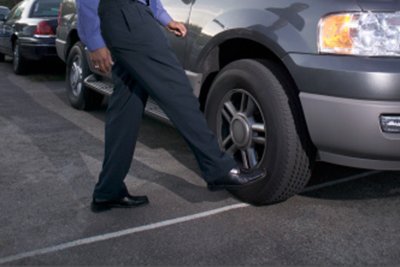
- Check the tire visually for visible nails, screws, or large tears in the rubber.
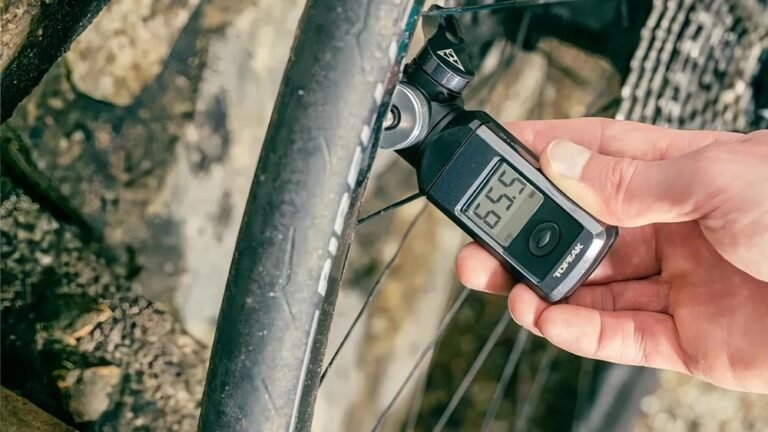
- Use a tire pressure gauge to measure the current PSI of the affected tire.
- Compare this number to the recommended PSI listed on your vehicle’s door sticker.
- If the pressure is below the recommended level, inflate the tire using a portable pump.
- Drive slowly to a professional tire shop if you can’t maintain the correct pressure.
Common Mistakes That Ruin Tires
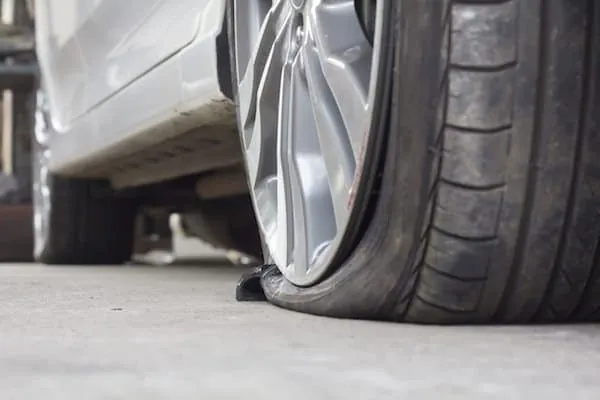
Driving on a tire that’s visibly low will destroy the internal structure within minutes. Once the sidewall is crushed, the tire can’t be patched and must be discarded. Many people also ignore the pressure warning light, thinking it’s just a sensor glitch. This mistake often leads to a blowout at highway speeds, which makes the car very difficult to control.
Another error is relying on the tire’s appearance rather than a gauge. A tire can lose enough air to be dangerous while still looking mostly round to the naked eye. If your tire pressure drops significantly below the manufacturer’s recommendation, you risk compromising the structural integrity of the sidewall.
Use a digital gauge every two weeks to verify pressure. If you see a bulge or a bubble on the sidewall, replace the tire immediately. That deformity signals internal cord failure, which means the tire will fail under load.
Frequently asked questions
Can I drive on a flat tire?
You should never drive on a flat tire because doing so causes permanent damage to the rim and the tire’s internal wires. Driving even a short distance on an empty tire destroys the sidewall immediately. If you have no choice, drive slowly at under 10 miles per hour to the nearest safe location, but expect to replace the entire tire.
How do I know if my tire is leaking?
You know your tire is leaking if the pressure gauge reading drops over several days or if the dashboard warning light stays on. If you can’t find a nail, spray a mixture of soap and water on the tire surface and the valve stem. Bubbles will form at the exact spot where the air is escaping.
Is it safe to use a repair kit?
It’s safe to use a temporary repair kit only if the puncture is in the center tread area and is smaller than 1/4 inch. Never use a repair kit for holes in the sidewall or for large tears. These temporary fixes are meant to get you to a shop, not for long-term use at highway speeds.
How long does a tire patch last?
A professional tire patch typically lasts for the remaining life of the tire if installed correctly in the tread area. Ensure the technician removes the tire from the rim to inspect the inside for hidden damage before applying the patch. If the hole is too large or near the edge, the shop will recommend a full replacement.
Why does my tire look low but the light is off?
Your tire may look low because of the way the weight of the car sits on the rubber, even if the pressure is currently within the safe range. If the light is off, the sensors are likely working correctly. Use a manual gauge to confirm the exact PSI and compare it to the recommended number on your door sticker.
Does tire pressure change with the seasons?
Tire pressure changes with the seasons because air density fluctuates significantly with outside temperature shifts. Expect to add air during the first cold weeks of winter and check for over-inflation during the hottest days of summer. Always adjust your pressure based on the door sticker, not the maximum PSI rating printed on the tire sidewall itself.
Conclusion
Keep a portable tire pressure gauge in your glove box to check your levels regularly. It’s a simple habit that helps you spot small leaks before they turn into bigger headaches. You’ll feel much more confident on the road when you’re sure your tires are ready for the journey ahead.
Related guides