Why Does My Car Sound Like It Has A Flat Tire: Causes
In the United States, a car that suddenly starts thumping, flapping, or humming on the road may have a flat or damaged tire—but other wheel and brake problems can sound similar. If the car pulls to one side, shakes, or makes a loud rhythmic thump, slow down and stop in a safe place. Check the tires before driving farther.
If the sound is mild and the car feels normal, check tire pressure and look for visible damage as soon as you can do so safely. A sound alone cannot confirm the cause, so treat a new or worsening noise with care.
Introduction
A flat-tire-like sound often comes from a tire that is low, damaged, or unevenly worn. It can also come from a loose wheel part, a worn wheel bearing, or a brake problem. The sound’s pattern—and whether it changes with speed, turns, or braking—can help narrow down the cause.

What to do first if your car sounds like it has a flat tire
If the sound is loud, the car shakes, or steering feels wrong, stop driving as soon as you can reach a safe place. A damaged tire can fail without much warning, and driving on it can damage the wheel.
On a busy road, do not stop in a traffic lane just to inspect the car. Turn on your hazard lights, ease off the accelerator, and move to a safe area. If you cannot get there safely, contact roadside assistance or emergency services as needed.
Once parked, check the tires from the side. Look for a tire that appears low, a cut, a bulge, exposed cords, or an object stuck in the tread. Do not pull out a nail or screw; it may be slowing the air loss.
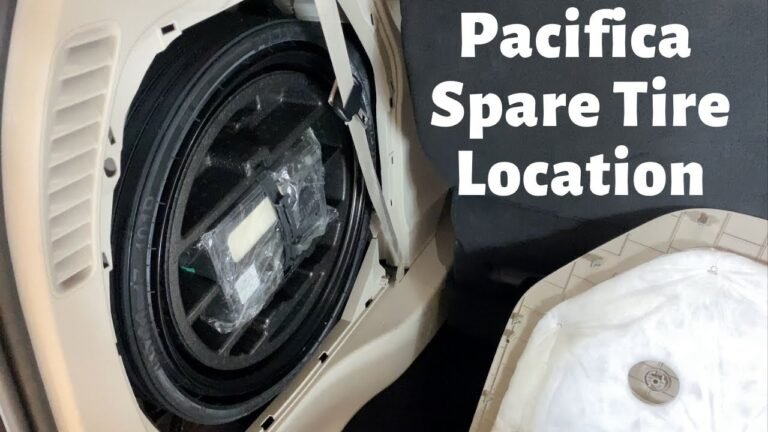
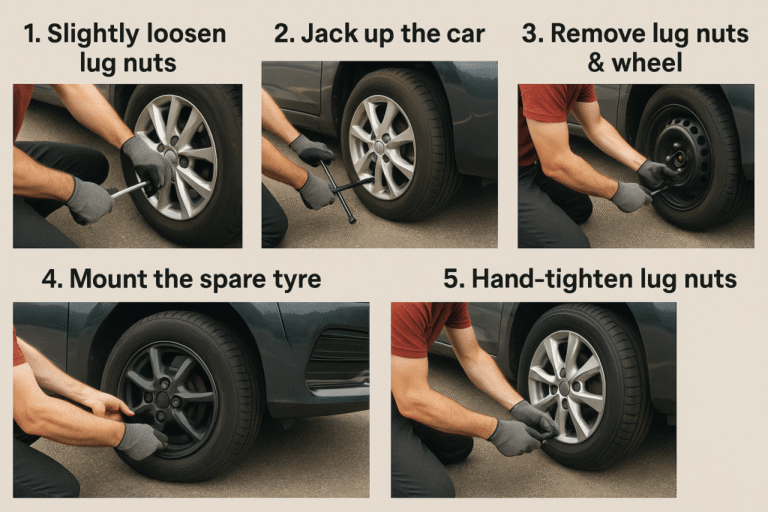
If a tire is flat, badly damaged, or losing air quickly, do not keep driving on it. Use a spare only if you can do so safely and know how to fit it, or call for help. Follow the vehicle owner’s manual for spare-tire limits and use.

Common causes of a flat-tire-like sound
A tire problem is a common cause, but the same kind of noise can come from parts near the wheel. Use the clues below as a guide, not a final diagnosis.
| What you hear or feel | Possible cause | What to do |
|---|---|---|
| Repeating thump that speeds up as the car goes faster | Low or damaged tire; object in the tread; tire with a separated or uneven area | Pull over if the thump is strong, the car shakes, or the tire looks damaged |
| Flapping or slapping sound | Loose tire tread, damaged tire, or a loose plastic liner near the wheel | Stop if the sound is loud or the car’s handling changes; have it checked |
| Humming or growling that rises with road speed | Uneven tire wear or a worn wheel bearing | Arrange an inspection, especially if the sound is getting louder |
| Grinding or scraping, often when braking | Worn brake parts or debris near the brake | Avoid driving if braking feels weak, the car pulls, or the noise is severe |
| clicking or knocking near one wheel | Loose or damaged wheel parts, or a problem in the axle or suspension | Stop if the noise is sudden or strong; request an inspection |
| A sound that changes on different road surfaces | Tire tread noise or the road surface itself | Check for other signs before assuming it is harmless |
A wheel bearing is a part that lets a wheel turn smoothly. When it wears, it may make a hum or growl that changes as the car moves. A tire with uneven wear can also create a steady roar, so a mechanic may need to inspect the tire and wheel area to tell them apart.

How to check for a low or damaged tire
Check tire pressure with a gauge when the tires are cold. “Cold” means the car has been parked for at least three hours or driven less than about one mile at moderate speed. Use the pressure listed on the driver-side door label or in the owner’s manual—not the maximum pressure printed on the tire sidewall.
- Park on a level, safe surface and set the parking brake.
- Look at all four tires, including the inner sidewalls if you can see them safely. Check for a flat spot, bulge, cut, exposed cord, or object in the tread.
- Remove the valve cap and press a tire-pressure gauge firmly onto the valve stem.
- Compare the reading with the vehicle’s recommended pressure. Add air if needed, then check the pressure again.
- Recheck the tire later. If pressure drops again, arrange a tire inspection; a puncture, valve leak, or wheel leak may be the cause.
The National Highway Traffic Safety Administration (NHTSA) advises checking tire pressure regularly and inspecting tires for damage. A tire-pressure monitoring system (TPMS) is helpful, but it does not replace manual checks. The warning may appear only after pressure has fallen significantly, and it may not warn you about every kind of tire damage.
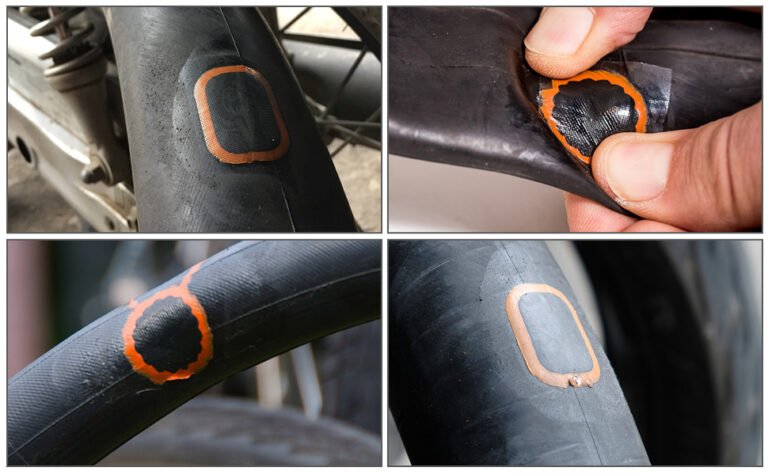
Do not drive on a tire with a sidewall bulge, exposed cords, or a deep cut. Do not try to repair a sidewall puncture with a plug. A tire professional should assess whether the tire can be repaired safely or must be replaced.

Use the sound and driving conditions to narrow it down
Notice when the noise starts and what makes it change. These clues can help a repair shop find the problem, but they cannot prove what part has failed.
- It gets faster as the car speeds up: The sound may be tied to wheel rotation, such as a damaged tire or loose part near the wheel. Slow down and stop if the car vibrates or handles poorly.
- It changes when you turn: A wheel bearing, tire, or another wheel-area part may be involved. Do not make sharp turns to test it.
- It appears mainly while braking: Brakes may be worn or something may be rubbing near the wheel. If the brake pedal feels unusual, the car pulls, or you hear harsh grinding, stop driving and get help.
- It began after a tire change or wheel service: Have the wheel and lug nuts checked promptly. If you suspect a wheel is loose, do not continue driving.
- It began after hitting a pothole or curb: Check for visible tire or wheel damage only from a safe position. A bent wheel or internal tire damage may not be obvious from the outside.
Share these details with the technician: when the sound began, whether it changes with speed or turns, any warning lights, and whether the car recently hit a pothole or had wheel work. That history can help guide an inspection.

When it is safe to drive—and when to stop
Do not keep driving if the tire is flat, visibly damaged, or losing air fast. Stop in a safe place and arrange a spare or roadside help. Driving on a flat tire can ruin the tire and may damage the wheel.
Stop and seek help if you notice any of these signs:
- Strong shaking or a sudden pull to one side
- A loud, rhythmic thump or flapping sound
- A tire bulge, exposed cords, or a deep cut
- Grinding, weak braking, or a brake pedal that feels different
- A suspected loose wheel, especially after recent wheel work
- Smoke, a burning smell, or a tire-pressure warning with worsening handling
If the noise is mild, the tires look sound, and steering and braking feel normal, drive only as far as needed to reach a safe place for a pressure check or inspection. If you are unsure, choose roadside assistance over risking a longer trip.

Key takeaways
- A flat-tire-like noise can come from a low or damaged tire, uneven tread, brakes, a wheel bearing, or another part near the wheel.
- A strong thump, vibration, pull, or visible tire damage means you should stop in a safe place.
- Check pressure when tires are cold and use the vehicle’s door label or owner’s manual for the correct value.
- A TPMS warning is useful, but it does not replace a visual check and pressure gauge.
- If the cause is not clear, have a qualified tire or repair professional inspect the car.
FAQs
Can I drive if my tire-pressure warning light is on?
First, check the tires in a safe place. If a tire looks flat, is damaged, or the car handles poorly, do not drive on it. If the tires look normal, check their pressure with a gauge and inflate them to the vehicle’s recommended level; get help if the warning stays on or returns.
Why does the noise get louder as I drive faster?
A sound that rises with road speed may be linked to a rotating tire or wheel part. A damaged tire, uneven tread, or worn wheel bearing are possible causes. If the sound is new or grows louder, arrange an inspection rather than trying to diagnose it by driving faster.
Could a wheel bearing sound like a flat tire?
Yes. A worn wheel bearing can make a hum or growl that changes with speed and sometimes with turns. Tire wear can make a similar noise, so a professional inspection may be needed to identify the source.
What if the noise happens only when I brake?
The brakes or a part near the wheel may be rubbing or worn. If you hear grinding, feel a change in the brake pedal, or notice the car pulling when you brake, stop driving and have the brakes checked.
Can I fix a flat tire with a tire sealant kit?
Some vehicles include a sealant-and-inflator kit, but it is not suitable for every puncture or tire. Check the owner’s manual for limits and instructions. Do not use a kit on a tire with a sidewall cut, bulge, or major damage; call for help instead.
Conclusion
A car that sounds like it has a flat tire may have a tire problem, but noise from the brakes or wheel area can sound similar. Slow down, stop safely if the car shakes or handles poorly, and check for visible damage and low pressure. If the tire looks damaged, pressure keeps falling, or the noise remains unexplained, have the car inspected before taking a longer drive.