Do Mud Tires Affect Gas Mileage? The Real Fuel Economy Impact
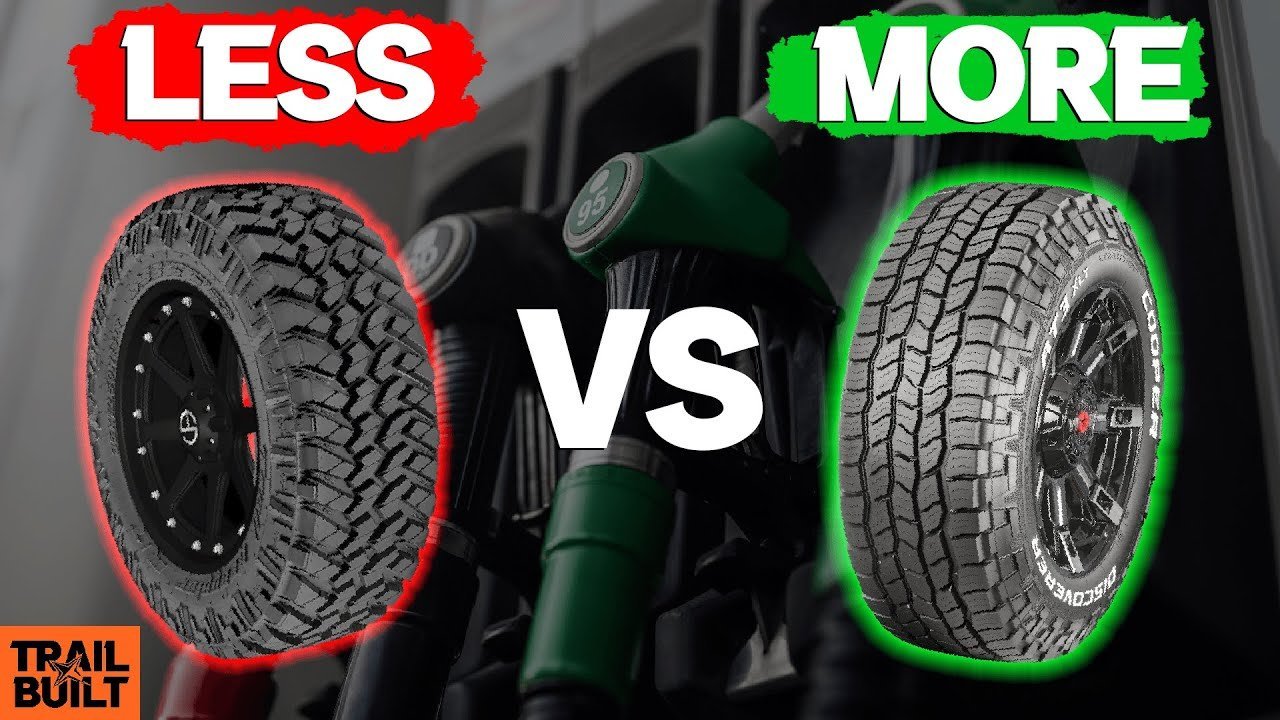
Yes, installing larger, aggressive tires on your truck will cause fuel economy to drop by 5% to 15% because mud tires affect gas mileage through increased rolling resistance and aerodynamic drag.
The primary reason for this drop is the physical design of the tire. Mud tires feature large, chunky tread blocks and deeper grooves that are designed to grip soft terrain, not to roll efficiently on pavement. This design causes significant energy loss as the tire deforms under the weight of the vehicle.
Another factor is the weight of the tire itself. Mud tires are built with extra rubber and reinforced sidewalls to prevent punctures, which increases unsprung weight. This forces your engine to work harder to accelerate the vehicle from a stop. The most common mistake is failing to account for this extra weight, which can make your transmission feel sluggish and decrease overall vehicle efficiency.
How mud tires affect your gas mileage
- Select a tire size that fits your vehicle’s wheel well without rubbing the chassis or suspension components during turns. Check your owner’s manual for the maximum tire diameter recommended by the manufacturer to ensure your speedometer and braking systems remain accurate.
- Purchase high-quality tires rated for the load capacity and speed requirements of your specific truck model. You can verify the official load ratings for your vehicle’s class through the National Highway Traffic Safety Administration to ensure you aren’t exceeding safety limits.
- Install the tires at a professional shop equipped with a high-speed balancing machine to prevent vibrations at highway speeds. Proper balancing is critical because uneven weight distribution in large tires causes premature wear on your wheel bearings and suspension joints.
- Adjust your tire pressure to the manufacturer’s specification, which is usually found on the sticker inside the driver’s side door jamb. If you’re using a wider or heavier tire than the original, consult with a tire professional to determine if a slight pressure adjustment is needed to maintain an even contact patch.
- Perform a test drive at low speeds to listen for any rubbing or unusual noises coming from the wheel wells. If you hear any scraping, stop immediately and have a technician adjust the suspension or steering stops to clear the obstruction.
Tip: Avoid choosing the largest tire that “barely fits,” as this often leads to rubbing when you turn or hit a bump, which can damage your fender liners.
Tip: Always recalibrate your vehicle’s computer if you change to a significantly larger tire size, as your odometer and speedometer will otherwise report incorrect values.
Expected Changes in Fuel Efficiency
The impact on your fuel consumption changes based on your driving habits and the size of the tires you choose. The following table provides a general guide for the expected drop in your miles per gallon (MPG).
| Tire Type | Estimated MPG Loss | Primary Cause | What to Watch For |
|---|---|---|---|
| All-Terrain | 2% – 5% | Rubber compound | Increased road noise |
| Mild Mud-Terrain | 5% – 8% | Tread depth | Faster tread wear |
| Aggressive Mud-Terrain | 8% – 15% | Rolling resistance | Sluggish acceleration |
If your fuel economy drops by more than 15%, check your tire pressure first, as under-inflated tires significantly increase friction and drag. If the pressure is correct, have a mechanic check for brake drag or alignment issues that may have occurred during the installation process.
Checking Tire Performance and Wear
You can tell if your tires are performing as expected by monitoring your vehicle’s handling and the physical state of the rubber. A properly functioning mud tire should feel stable at highway speeds without pulling to one side or shaking the steering wheel. If the vehicle feels “loose” or wanders on the road, your tire pressure or alignment is likely incorrect.
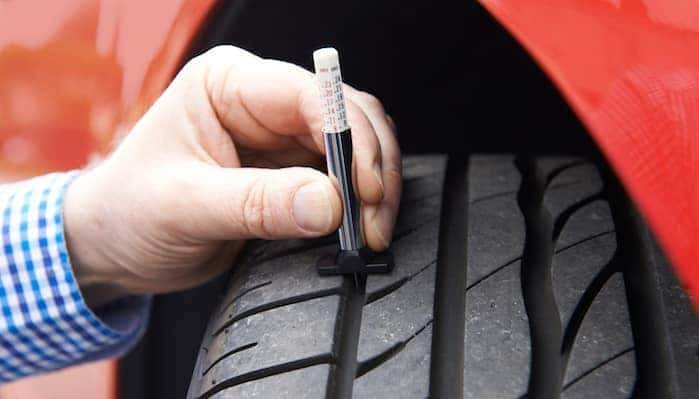
Check the tread depth regularly using a gauge to ensure the wear pattern is even across the entire surface. If the outer edges are wearing faster than the center, your tires are likely under-inflated for the weight of your truck.
If the center is wearing faster, they’re over-inflated. The most accurate way to verify your tires are set correctly is to perform a chalk test, which involves marking the tread with chalk and driving a short distance to see if the chalk wears off evenly.
Common Mistakes During Tire Upgrades
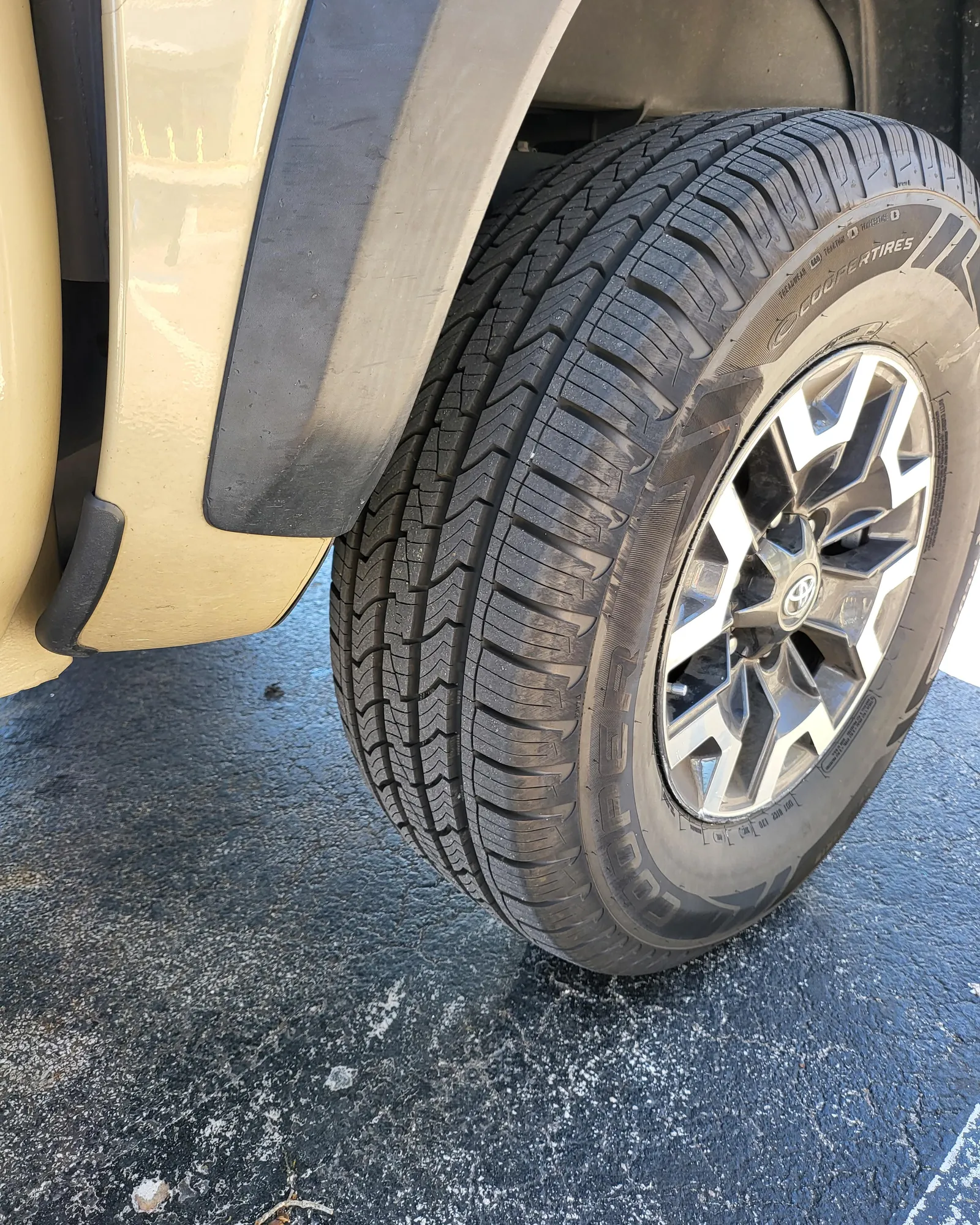
- Ignoring the load index: Many people choose tires based only on the aggressive look, but using a tire with a lower load rating than your vehicle requires can lead to a blowout under heavy loads. Always match or exceed the load index found on your original tires.
- Adding too much weight: Choosing the largest tire possible adds significant unsprung mass, which forces your engine to burn more fuel just to turn the wheels. Stick to a tire size that’s within 3% of your factory diameter to minimize the strain on your drivetrain.
- Neglecting the spare: If you upgrade your tire size, your original spare tire will no longer be the same diameter as your road tires. Driving with mismatched tire sizes can cause premature wear or damage to a limited-slip differential or transfer case, so you should use a matching spare as soon as possible.
- Forgetting about alignment: Changing tire size and weight alters the geometry of your suspension, which often causes the vehicle to pull to one side. You should always get a professional four-wheel alignment immediately after installing new tires to prevent rapid, uneven wear that ruins the tires in a few thousand miles.
Frequently asked questions
Can I fix the fuel mileage loss after installing mud tires?
Yes, you can recover some efficiency by ensuring your tire pressure is always at the recommended level and keeping your vehicle as light as possible. While you can’t fully eliminate the drag caused by the tread pattern, driving at steady, moderate speeds on the highway instead of rapid acceleration will help keep your consumption within the lower end of the expected range.
How long do mud tires last compared to regular tires?
Mud tires typically last between 30,000 and 50,000 miles, depending on the rubber compound and how often you drive on paved roads. Because they use a softer rubber for better grip on rocks and mud, they wear down much faster than standard highway tires on hot asphalt. You can extend their life by rotating them every 5,000 miles to keep the wear pattern even.
Is it safe to drive mud tires on the highway?
Yes, it’s safe to drive mud tires on the highway as long as they’re balanced correctly and rated for the speed of your vehicle. You’ll notice more road noise and a slightly less precise steering feel compared to highway tires. Always check the speed rating stamped on the sidewall to ensure the tires can handle the sustained speeds of highway travel.
What happens if I don’t align my truck after new tires?
If you skip the alignment, your tires will develop uneven wear patterns, such as “cupping” or “feathering,” which ruins the tread in as little as 5,000 miles. This also makes the steering feel unstable and increases the rolling resistance, which further lowers your gas mileage. A professional alignment is necessary to reset the suspension angles for the new tire weight and size.
Why does my speedometer read wrong after installing bigger tires?
Your speedometer reads wrong because it’s calibrated to the number of rotations the factory-size tires make per mile. When you install a larger tire, it covers more ground per rotation, meaning the vehicle is moving faster than the computer thinks. You must use a digital calibrator or have a shop update your vehicle’s computer to match the new tire diameter for an accurate reading.
How much weight do mud tires add to my truck?
Mud tires can add anywhere from 10 to 30 pounds per tire compared to standard highway tires, depending on the tread depth and sidewall ply rating. This added weight is “unsprung weight,” which is much harder for the engine to move than weight inside the cabin. This extra mass is the primary reason for the increased fuel consumption and slower acceleration you experience after installation.
Conclusion
Choosing the right tires requires balancing your need for off-road traction with your desire for fuel efficiency. If you primarily commute on pavement, a milder all-terrain tread will provide the look you want without the heavy MPG penalty of a dedicated mud tire.
Related guides