
What Is a Tire Kicker: Understanding the Sales Terminology
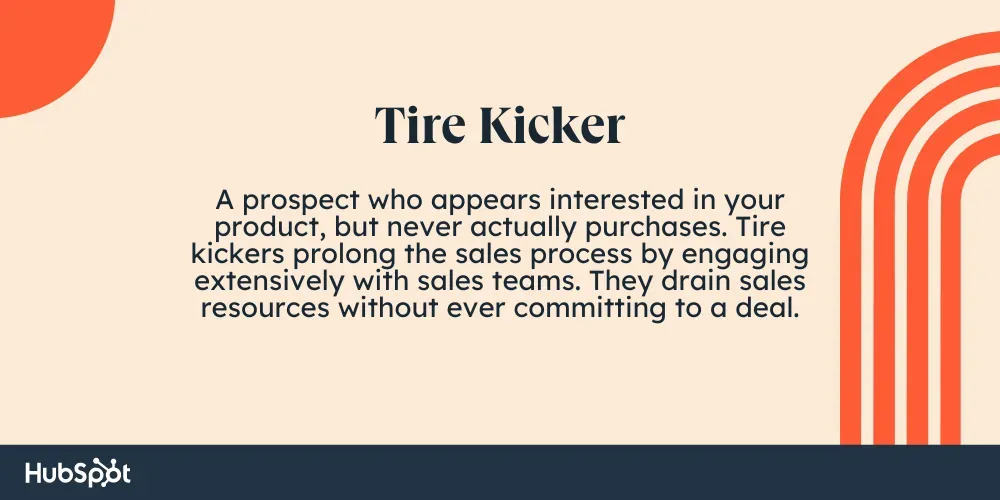
A person who expresses interest in buying an item without any real intention of completing the purchase is commonly referred to in sales as a tire kicker.
How to identify potential buyers
Photo: blog.hubspot.com on Google
-
They ask repetitive questions about features you have already explained. This indicates they aren’t evaluating your solution, but rather stalling to avoid a commitment.
-
They consistently fail to provide necessary contact or payment information. If a prospect refuses to share basic details after three requests, they’re likely window-shopping.
-
They avoid setting a firm date for a final decision or transaction. When a lead says “let’s touch base later” without a calendar invite, they have no intent to buy.
-
They request extensive demonstrations without showing buying signals. If they focus only on technical curiosities rather than implementation timelines, they’re gathering information for a competitor.
-
They often mention waiting for a “better time.” If they can’t define what that time looks like, they’re simply being polite to avoid saying no.
Why people act as tire kickers
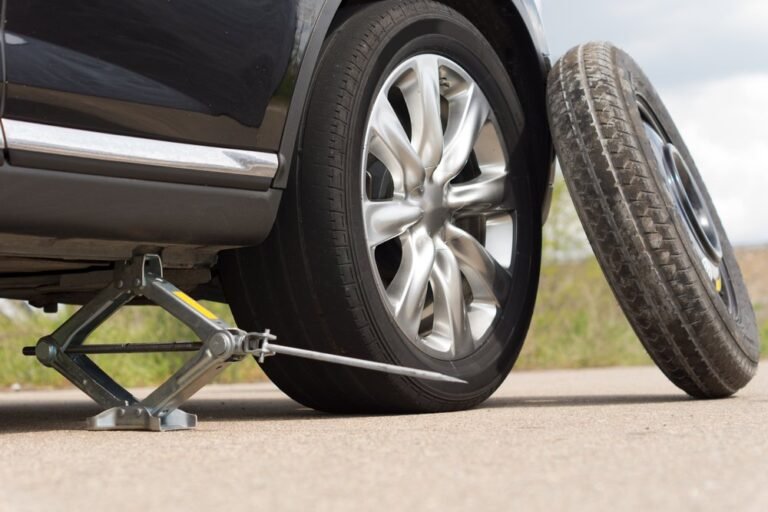
The term comes from the old habit of literally kicking the tires of a used car to appear knowledgeable while actually having no interest in buying. This behavior often stems from a lack of clear purchasing power or a simple lack of decision-making authority. When someone lacks the budget or the permission to spend, they may use the appearance of shopping as a way to feel involved in the market.
Sometimes, the behavior isn’t malicious but reflects a person who is still in the research phase. They’re often just gathering information for a future date.
There’s a distinct difference between a careful buyer and someone who wastes time. A serious buyer asks questions to solve a specific problem or to confirm the value of the item. A tire kicker asks questions to fill the air or to maintain the illusion of being a buyer. If you’re selling, you should prioritize those who provide clear timelines for their decision.
Situations where the buyer isn’t a tire kicker
| Situation | What changes | What to do instead |
|---|---|---|
| First-time buyer | Lack of knowledge | Provide simple educational guides |
| High-value purchase | Long research cycle | Offer follow-up contact info |
| Complex technical needs | Need for verification | Provide official specification sheets |
| Shared decision making | Need for consultation | Ask to meet all parties |
| Budget constraints | Need for financing | Discuss payment plan options |
You can distinguish a serious buyer by their specific requests. A tire kicker asks general questions about price or availability. A real buyer asks about implementation timelines, integration requirements, or specific edge-case performance.
If a prospect asks about your post-purchase support or service level agreements, they have already mentally committed to the buy. Treat this as a closing signal rather than a preliminary inquiry.
A common mistake is treating these detailed questions as mere curiosity. If you respond with a generic brochure, you lose the deal. Instead, provide the exact technical documentation they requested.
If the buyer brings up a specific competitor, they’re likely in the final evaluation stage. Compare your features objectively. If you can’t solve their specific problem, admit it immediately. This honesty builds the trust needed to close high-stakes contracts.
How to manage your time effectively
- Ask the buyer for their specific timeframe for making a final decision. If they can’t provide a date, they’re likely not ready to move forward.
- Request a small deposit or a commitment to a meeting time to gauge their seriousness. A buyer who refuses to commit to a simple step is rarely serious.
- Provide all technical documentation and photos upfront to reduce the need for endless questions. This saves you from repeating basic facts to someone who just wants to chat.
- If the interaction feels stagnant, politely suggest that they contact you when they’re ready to proceed. This allows you to refocus your energy on other potential buyers.
- Maintain a professional tone even when you suspect they’re wasting time. You never know when a tire kicker might eventually turn into a genuine lead later.
- Set a limit on how many times you’ll meet or speak before requiring a formal offer. If they hit this limit without an offer, move on.
The mistakes that ruin a sale

Ignoring the signs of a non-serious buyer leads to lost time you could spend with real leads. If a prospect refuses to answer questions about their budget or timeline after two attempts, stop the pitch. You’re likely dealing with a tire-kicker, not a client.
Getting frustrated and showing annoyance often drives away people who might have eventually bought. A prospect’s hesitation is rarely a personal attack. It’s usually a signal that they need more technical data or a clearer path to implementation.
Spending too much time on one person prevents you from engaging with customers who are ready to purchase now. If you have spent forty minutes on a single lead without a clear next step, you’re losing money elsewhere.
Failing to ask for a commitment early makes it harder to distinguish between a buyer and a browser. Use the “trial close” rule: if they agree to the value, ask for the next step immediately. If they stall, you know exactly where you stand.
Frequently asked questions
Can a tire kicker eventually become a real buyer?
Yes, a person who starts as a tire kicker can become a real buyer once their circumstances change. They may simply be in the early stages of research and lack the necessary funds or authority at the moment. When they finally secure the money or permission to buy, they might return to the person who was patient with them.
Is it safe to ignore someone who asks many questions?
It isn’t always safe or wise to ignore someone just because they ask many questions. You should check if their questions are relevant to the product’s function or price. If the questions are focused on real utility, the person is likely a serious buyer who just needs more information before they feel comfortable with the transaction.
How do I stop wasting time on non-serious leads?
You stop wasting time by requiring a clear next step in the process, such as a scheduled meeting or a review of a contract. If a person refuses to take these steps, you should politely end the conversation. This decision rule is simple: if they won’t take a step, you don’t take the time.
Does it matter if they’re just browsing?
It doesn’t matter if they’re just browsing, provided you recognize it early and adjust your effort accordingly. You should treat them with courtesy but keep your interactions short. If you treat every browser like a high-priority buyer, you’ll quickly become exhausted and lose out on real sales opportunities.
What happens if I confront a tire kicker?
If you confront a tire kicker directly, you’ll likely lose the sale and potentially damage your reputation. Most people in this position don’t realize they’re being difficult or wasting time. It’s much better to pivot the conversation toward a clear, actionable goal that requires them to show their intent.
How long should I wait for a buyer to decide?
You should wait as long as your business model allows, but usually, a window of 3 to 7 days is standard for most retail items. If you’re selling a high-value asset like a vehicle, this window may extend to 2 weeks. Always communicate your own availability to keep the pressure on the buyer to act.
Conclusion
You shouldn’t let these casual browsers discourage you, as they’re simply part of the business landscape. Instead of getting frustrated, keep your focus on genuine leads who are ready to move forward. You’ll find that when you stay patient and professional, you won’t waste your valuable time on the wrong people.
Related guides