Where Is the Spare Tire on a Chrysler Pacifica Located
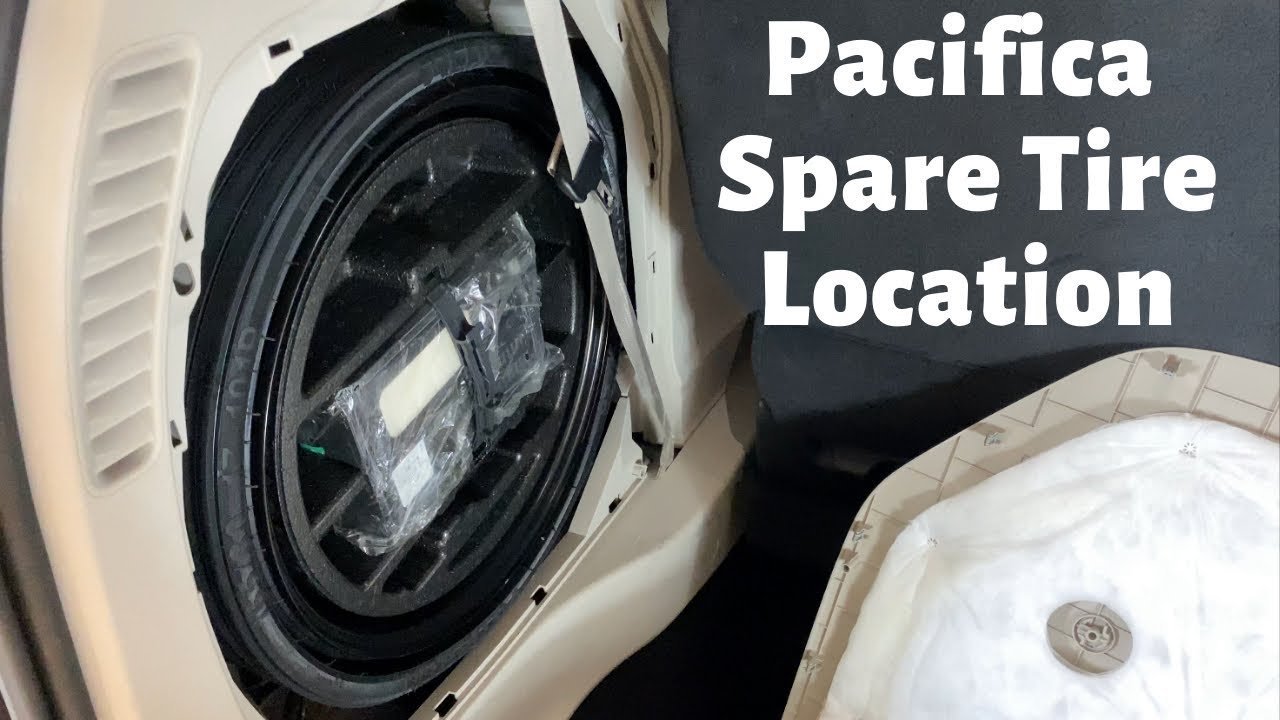
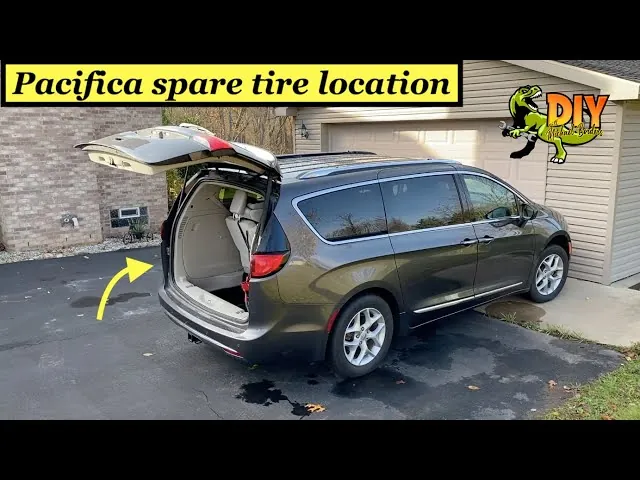
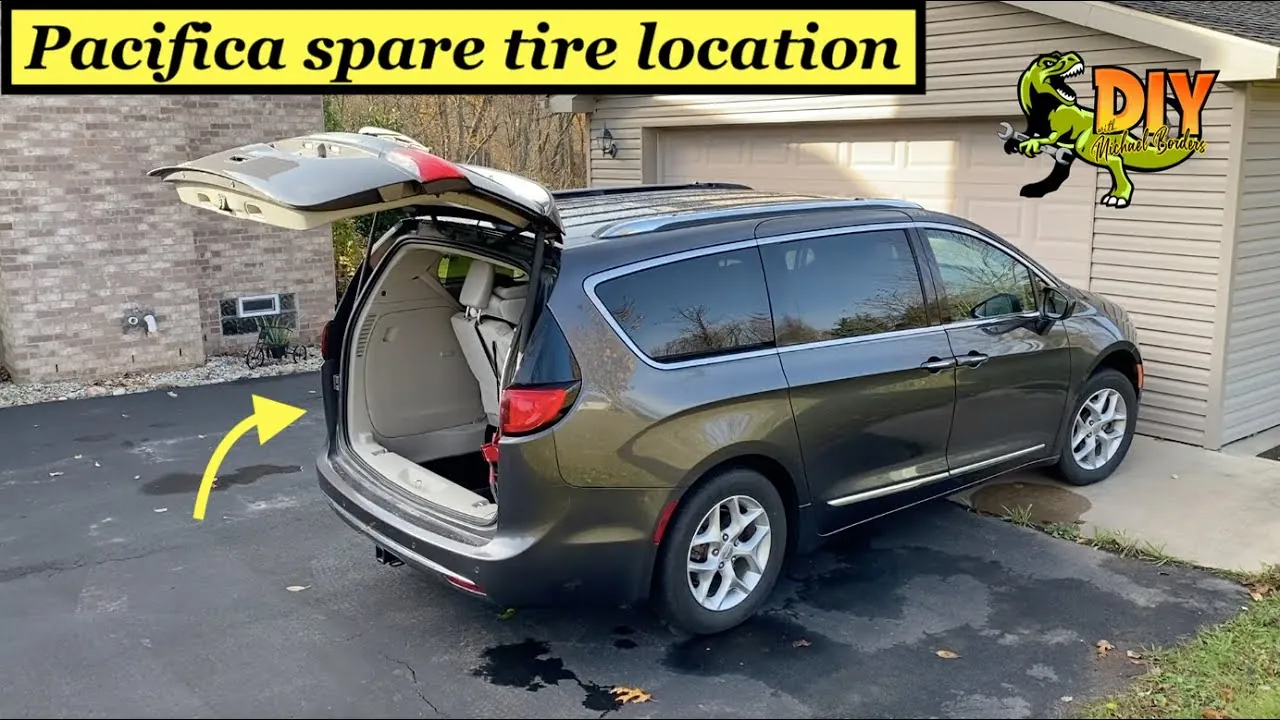
You’ll find that the location of the spare tire on a Chrysler Pacifica is underneath the floor of the vehicle, specifically in the storage compartment behind the second-row seats. You must access this area from inside the cabin to reach the tire and the tools needed for a change.
Locating the Chrysler Pacifica Spare Tire
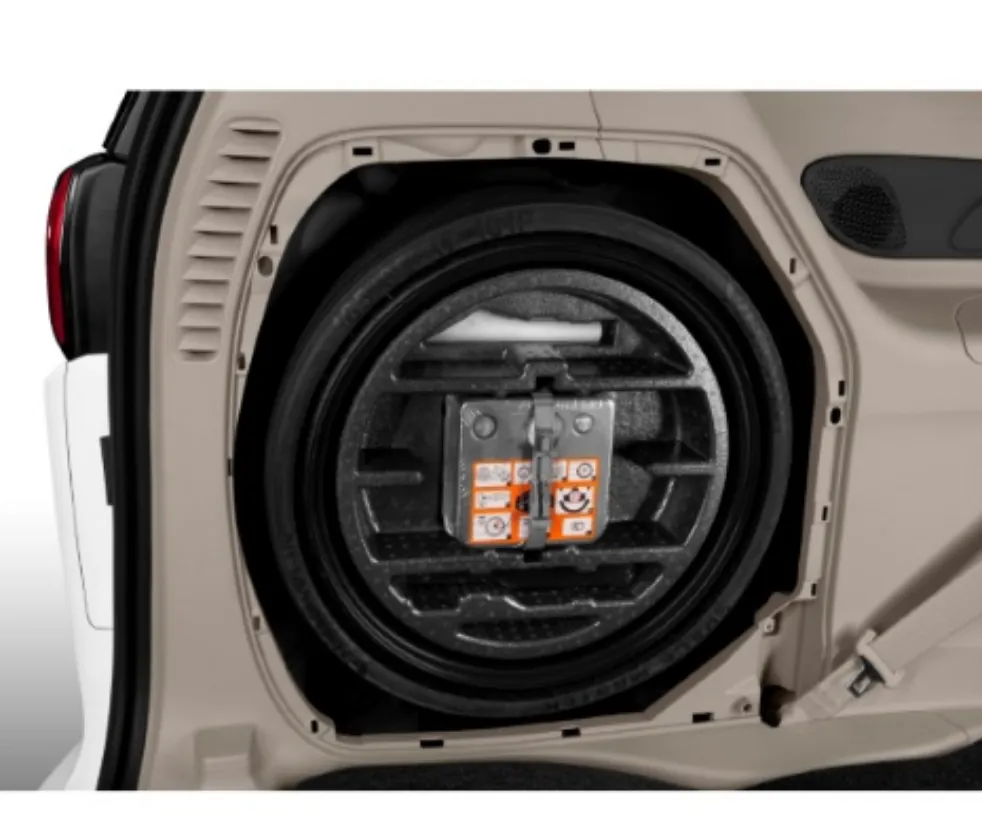
Open the driver-side rear sliding door to gain access to the floor. Lift the carpeted floor cover located behind the second-row seats. Remove the plastic storage bin to reveal the spare tire and jack kit.
Unscrew the retainer knob holding the tire in place to lift it out. If the knob feels stuck, don’t force it with pliers; instead, press down firmly on the tire while unscrewing to relieve tension on the threads.
Check your tire pressure once per month to ensure it’s ready for use, as noted in the Chrysler Pacifica Owner Manual. Aim for 60 PSI for the compact spare. If you find the pressure below 50 PSI, the tire may be compromised. Most drivers make the mistake of ignoring the spare until a flat occurs, which often leads to discovering a slow leak that renders the kit useless during an emergency.
Why the Spare is Under the Floor
The design of this vehicle prioritizes interior space for passengers and cargo, which dictates where components are placed. By tucking the spare tire into the floor, the engineers kept the exterior profile clean and maintained a lower center of gravity. This layout allows for the “Stow ‘n Go” seating feature, which requires the floor area to be clear when the seats are folded down.
You should know that this internal location is chosen to protect the tire from road debris, salt, and water. Unlike trucks or older SUVs that carry a spare tire under the rear bumper, the Pacifica keeps yours inside a climate-controlled environment. This prevents the rubber from degrading as quickly due to extreme temperature changes or exposure to the elements.
If you’re ever unsure about the specific tools included, look for the molded foam insert inside the floor compartment. This kit usually contains the jack, the lug wrench, and the extension handle. If your specific trim level uses a tire inflator kit instead of a physical spare tire, you’ll find a pump and a bottle of sealant in that exact same floor compartment.
When the Spare Location Varies
| Situation | What changes | What to do instead |
|---|---|---|
| Hybrid models | No spare tire included | Use the provided inflator kit |
| Upgraded sound system | Subwoofer occupies space | Check under the rear floor |
| Aftermarket flooring | Access is restricted | Remove mats before opening |
| Different trim levels | Tool kit layout varies | Follow the diagrams on labels |
| Roadside assistance plan | No tire present | Call for professional help |
Most drivers assume the spare is bolted directly beneath the trunk liner. This is a costly mistake if you have a premium audio package. Manufacturers often mount subwoofers inside the spare rim, requiring you to unscrew a center-locking knob before the tire can be removed.
If you’re unsure where to look, check your VIN against the manufacturer’s digital manual. If your vehicle lacks a jack, you’re likely driving a model equipped with a tire inflator kit.
If your vehicle has an inflator kit, check the expiration date on the sealant canister. Most sealants solidify over time, rendering the pump useless during an emergency. If the canister is past its date, replace it immediately. Relying on an expired kit will leave you stranded when you need it most; check your owner’s manual for replacement frequency based on your specific usage.
How to Change a Flat Properly
Park on a flat, solid surface away from traffic and engage the parking brake firmly. If you’re on an incline, the vehicle may roll off the jack, which is a common mistake that can result in severe injury or a crushed brake rotor.
Use the lug wrench to loosen the lug nuts on the flat tire by one turn while the tire is still touching the ground. If you lift the car first, the wheel will simply spin when you apply torque.
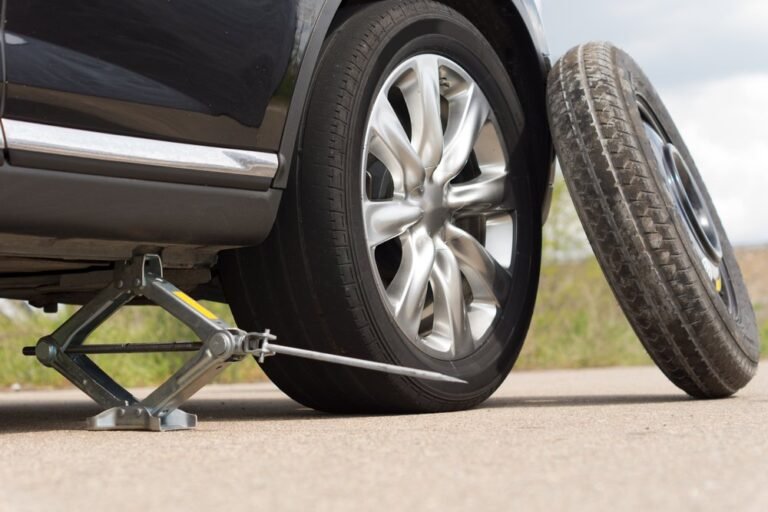
Place the jack under the designated lifting point near the flat tire as shown in your owner manual. Don’t jack on plastic trim or the floor pan, as these will buckle under the weight.
Raise the vehicle until the flat tire is about 2 inches off the ground. Remove the lug nuts, pull the tire off, and slide the spare on.
Tighten the nuts by hand in a star pattern. Lower the vehicle until the tire touches the ground, then finish tightening with the wrench. This pattern ensures the wheel seats evenly against the hub.
Common Mistakes That Ruin the Process
Attempting to change a tire on a soft surface like dirt or grass causes the jack to sink, potentially dropping the vehicle. Always seek level, hard-packed ground like asphalt or concrete. If you’re forced onto soft terrain, place a wide, flat board or a thick floor mat under the jack base to distribute the weight.
Failing to loosen the lug nuts before lifting the car makes them impossible to turn because the wheel spins freely. Break the resistance on each nut by a half-turn while the tire still touches the ground.
Over-tightening lug nuts with your full body weight strips the threads or warps the brake rotor. Use a torque wrench to reach the manufacturer’s specified setting, usually between 80 and 100 foot-pounds.
Finally, ignoring your spare tire’s pressure leaves you stranded. Check the spare regularly based on your usage and the recommendations in your owner’s manual. If the sidewall shows dry rot or cracks, replace it immediately regardless of tread depth.
Frequently asked questions
Can I drive on a spare tire at highway speeds?
You shouldn’t drive over 50 miles per hour on a temporary spare tire. These tires are designed only for short distances and lower speeds to get you to a repair shop. Driving faster than this limit can cause the tire to overheat or fail, which puts your safety at risk.
Why is there no spare tire in my Chrysler Pacifica?
Your vehicle likely uses a tire inflator kit because it’s a hybrid model or a specific trim level designed to save weight. These models replace the heavy steel wheel with a pump and sealant bottle to improve fuel efficiency. Check your trunk floor to confirm if you have the pump kit instead.
How long does it take to change the tire?
A typical tire change takes about 20 to 30 minutes if you have all the tools ready and are familiar with the jack points. If this is your first time, allow yourself extra time to read the manual and set up the equipment safely. Always prioritize your safety over speed when working near traffic.
Is it safe to use the jack on any part of the frame?
You must only use the specific jack points identified by the notches or markings on the vehicle frame. Using the wrong spot can damage the plastic side skirts or the metal body panels of the car. Look for the small indentations located just behind the front wheels or in front of the rear wheels.
Does it matter which way the spare tire faces?
The spare tire must face outward so the valve stem is accessible for checking pressure and adding air. If you mount it backward, you won’t be able to inflate it or check if it’s holding air properly. Ensure the lug holes line up perfectly with the wheel studs before pushing it on.
What happens if the lug nuts are stuck?
You should use a longer wrench for extra leverage if the lug nuts are too tight to turn by hand. If they still don’t move, don’t force them with your feet, as this may break the wheel studs. At this point, it’s best to call a professional roadside assistance service to avoid causing expensive mechanical damage.
Conclusion
It’s a good idea to practice accessing this compartment in your driveway before you’re stuck on a dark roadside. You’ll feel much more confident if you’ve already handled the equipment once. Don’t forget to check the air pressure in that spare occasionally, so it’s ready whenever you really need it.