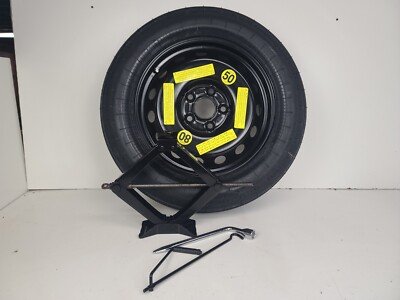
Audi Q5 Spare Tire: Fit, Storage And Buying Guide

Need an Audi Q5 spare tire? Compare fitment, storage, and replacement options to find the right setup and stay prepared for a flat.
For an Audi Q5 sold in the United States, do not assume a spare tire is included. Equipment can vary by model year, powertrain, and factory configuration. Check beneath the cargo floor, then confirm the supplied equipment and tire-change instructions in the U.S. owner’s manual for your vehicle.
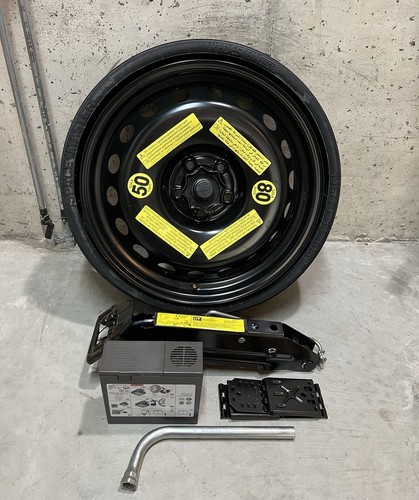
Some Q5 configurations use a compact or collapsible spare. Others may have a tire repair kit and compressor instead. A collapsible spare can look flat while stored; it must be inflated as directed before you drive on it.
This guide explains how to identify your setup, check a replacement spare, and handle a flat without risking damage to the vehicle.

Does the Audi Q5 Have a Spare Tire?
Your individual Q5’s equipment—not the model name alone—determines the answer. A listing for an “Audi Q5 spare tire” does not establish that the wheel fits every Q5 or that every vehicle came with one.
Start with the cargo area and the vehicle’s manual. These checks help you distinguish a complete spare setup from an empty storage space or a repair kit.
| What you find | What it means | What to check next |
|---|---|---|
| A narrow spare wheel with an inflated tire | Likely a temporary spare | Tire pressure, speed limit, fitment, and use restrictions |
| A spare wheel with a folded-looking tire | It may be a collapsible spare | Inflation procedure and required compressor |
| A compressor and sealant bottle | A temporary repair kit, not a spare | Sealant expiration date and repair limits |
| Tools but no spare wheel | Equipment may be missing or configured differently | Owner’s manual and vehicle-specific parts information |
| No visible tire or kit | The vehicle may have another arrangement, or equipment may be missing | Manual, vehicle history, and an Audi dealer |
If you bought the Q5 used, check the actual contents. A previous owner may have removed the spare, compressor, jack, or wheel-lock key.
The most useful first step is to match the equipment you have to the instructions for your exact vehicle.

Where Is the Audi Q5 Spare Tire Located?
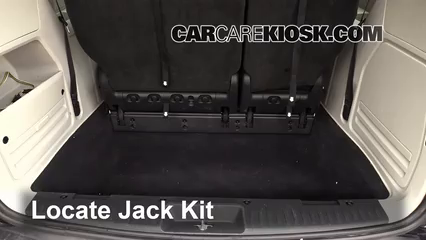
Check beneath the luggage-compartment floor first. The space and access method can differ by Q5 configuration, so use the manual if the floor panel does not lift easily.
Park on a level surface before you inspect the storage area. Remove loose cargo, lift the floor panel as directed, and look for:
- A spare wheel and its retaining hardware.
- An electric air compressor.
- A tire sealant bottle.
- A jack and wheel-bolt wrench.
- A wheel-lock key, if the vehicle has locking wheel bolts.
- Any wheel-bolt cap removal tool supplied with the vehicle.
Do not assume that a round recess means a spare is missing. Nor does an empty-looking space prove that a spare wheel can safely fit there. Other equipment may occupy the area or affect how a wheel must be secured.
Check the Tools Before You Need Them
A spare tire is only one part of the system. You also need a safe way to lift the vehicle, remove the wheel, and secure the replacement.
Confirm that the compressor works with the vehicle’s specified power outlet. Check that its hose and power lead are intact. If a required tool is missing, replace it before relying on the spare for a trip.

Compact Spare, Collapsible Spare, or Repair Kit: What Is the Difference?
A spare replaces the damaged wheel; a repair kit tries to restore air retention in the existing tire. Their limits are different.
Compact Temporary Spare
A compact spare is a smaller temporary wheel-and-tire assembly. It is meant to help you reach a repair facility, not to serve as a normal replacement tire.
Follow the speed, pressure, distance, and installation limits printed on the spare and stated in the owner’s manual. Do not apply limits from another Audi model.
Collapsible Spare
A collapsible spare has a tire that folds down for storage. Its stored shape can make it look unusable even when it is in its intended condition.
The tire needs inflation before road use. Follow the manual’s order for mounting and inflating it. Do not guess whether it should be inflated before or after installation.
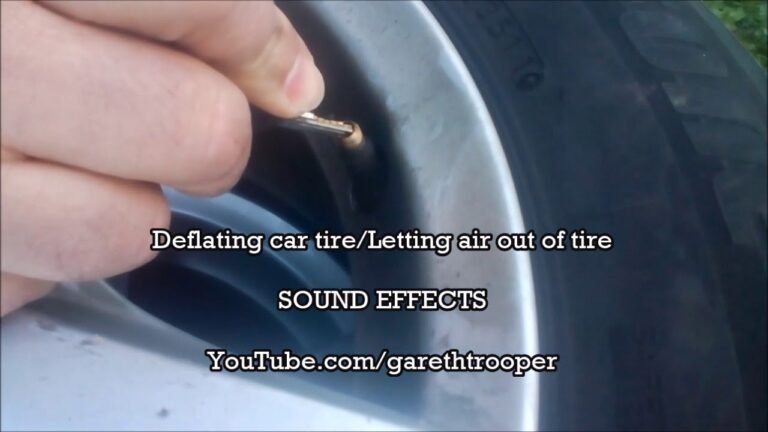
Its deflation and storage procedure may also differ from that of a normal tire.
Tire Sealant and Compressor Kit
A repair kit may temporarily seal certain punctures, but it cannot fix every flat. A cut sidewall, damaged wheel, tire that has come off its rim, or severe damage from driving flat calls for professional help.
Check the kit’s instructions and sealant expiration date. If the tire will not reach or hold the required pressure, stop the attempt and arrange assistance.
| System | Replaces the damaged wheel? | Key limitation |
|---|---|---|
| Compact spare | Yes | Temporary-use restrictions |
| Collapsible spare | Yes | Needs the correct inflation procedure and equipment |
| Sealant and compressor | No | Works only on damage within the kit’s stated limits |
A compressor alone is not a repair. It can add air, but it cannot close a large leak or restore a damaged tire’s structure.

How to Choose a Replacement Audi Q5 Spare Tire
Confirm fitment by VIN and exact vehicle specification before buying. Model year alone may not account for brake size, powertrain, or other equipment.
Ask an Audi parts department or a qualified wheel supplier to verify the complete assembly. The check should cover more than the wheel’s bolt pattern.
Fitment Checks That Matter
| Item to verify | Why it matters |
|---|---|
| Exact Q5 model and powertrain | Equipment and available storage space can differ |
| Brake clearance | A wheel may bolt on yet contact a brake caliper |
| Wheel diameter, width, and offset | These affect clearance and wheel position |
| Bolt pattern and center bore | These affect mounting and centering |
| Wheel-bolt compatibility | Seat shape and length must suit the wheel |
| Tire size and load capacity | The assembly must be suitable for the vehicle |
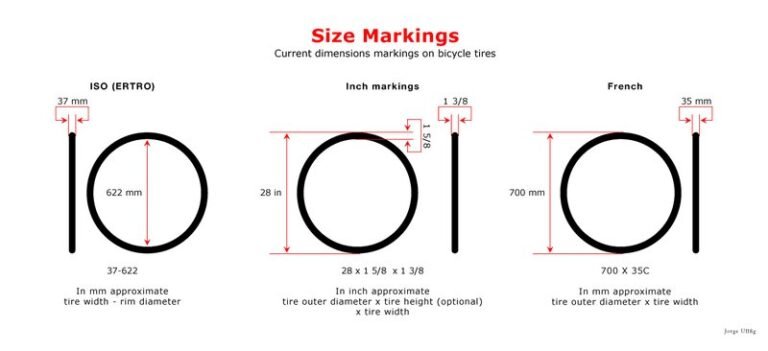
| Rolling circumference | A mismatch may affect drivetrain and stability systems |
| Approved installation position | A temporary spare may have axle-specific limits |
| Storage and retention | The wheel must be secured, not left loose in the cargo area |
A listing that says “fits Audi” is not enough. Neither is a matching bolt pattern.
Do Not Assume Q5, SQ5, and Plug-In Hybrid Parts Interchange
A spare advertised for another Q5 variant is not automatically suitable for yours. Brake clearance and cargo-floor packaging can change the answer.
The same caution applies to full-size spares. A normal road wheel may not fit beneath the floor, and a safe storage solution needs a proper restraint.
Check the Complete Cost
Compare the whole setup, not just the wheel price. You may also need a tire, compressor, jack, wrench, retaining hardware, and model-specific tools.
For a collapsible spare, confirm that the supplied compressor is suitable for the required inflation procedure. Do not assume an unrelated small inflator will meet the tire’s needs.

How to Change an Audi Q5 Tire Safely
Attempt a tire change only where you can work well clear of traffic on firm, level ground. If the vehicle is on a narrow highway shoulder, soft ground, or a slope, roadside assistance is the safer option.
These steps are a planning guide, not a substitute for the vehicle’s instructions. The owner’s manual controls the jacking points, lifting procedure, spare restrictions, and wheel-bolt torque.
Before You Start
Make sure you have:
- A confirmed compatible spare.
- All required tools and the wheel-lock key.
- A compressor if the spare requires one.
- The correct instructions for your vehicle.
- A safe location with adequate clearance.
If the Q5 has air suspension, check whether the manual requires a special setting or procedure before lifting.
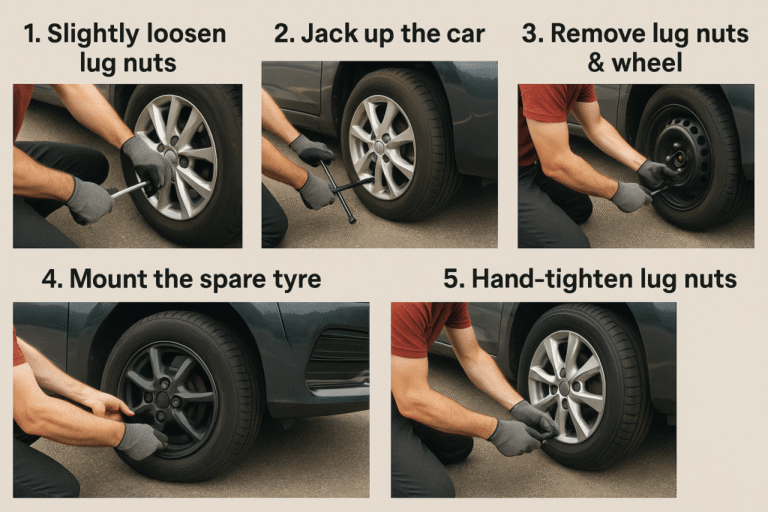
Basic Tire-Change Sequence
- Secure the vehicle. Switch on the hazard lights. Apply the parking brake, select Park, and follow the manual’s instructions for preventing movement.
- Move passengers to a safe place. Keep them away from traffic and the lifting area.
- Prepare the spare and tools. Check for visible damage and confirm the required inflation procedure.
- Loosen the wheel bolts as directed. Do this before lifting if the manual specifies it. Do not remove the bolts yet.
- Position the jack at the designated lifting point. Do not use an unmarked part of the underbody.
- Raise the vehicle only as much as needed. Never put any part of your body beneath a vehicle supported only by its emergency jack.
- Remove the damaged wheel and install the spare. Start the bolts by hand. Follow the specified mounting and inflation sequence.
- Lower the vehicle and tighten the bolts correctly. Use the specified sequence and torque. Do not guess a torque value.
- Secure the removed wheel and tools. Loose equipment can become a hazard during a sudden stop.
Signs the Job Is Complete
Before driving, confirm that the spare holds its specified pressure, the bolts have been tightened correctly, and all tools are clear. Read the spare’s restrictions once more.
If the spare loses pressure, will not mount correctly, or appears to contact another part, do not drive. If vibration, rubbing, or unusual noise starts after moving, stop safely and seek help.

How Fast and How Far Can You Drive on a Q5 Spare?
Use the limits on your actual spare and in your vehicle’s manual. There is no single speed-and-distance rule that should be applied to every Audi Q5 spare tire.
Temporary spares can change steering, braking, and grip. Drive gently, leave more room to stop, and head to a suitable repair facility.
Do not confuse a maximum speed with a safe speed for all conditions. Rain, snow, traffic, and road damage may require a much lower speed.
Quattro Does Not Make a Mismatched Spare Harmless
All-wheel drive does not remove the need for correct tire size and approved spare use. Tire circumference differences can affect vehicle systems.
Do not invent an axle-swap strategy to make an unverified spare fit. If the manual gives a specific wheel position or installation method, follow it. Otherwise, ask Audi or a qualified repair shop before driving.
Restore Normal Tires Promptly
Have the damaged tire inspected for repair or replacement. A tire that still holds air may have internal damage after being driven while flat.
Once the normal wheel is back on, follow the manual’s tire-pressure monitoring procedure. Check the spare and return it to secure storage so it is ready for the next emergency.
Common Audi Q5 Spare Tire Mistakes
Most avoidable problems come from treating the spare as a universal wheel rather than vehicle-specific emergency equipment.
Avoid these errors:
- Buying by bolt pattern alone. Brake clearance, mounting details, and tire specification still matter.
- Using normal road-tire pressure for a temporary spare. Check the spare’s own requirements.
- Driving on a collapsible spare before proper inflation. Its storage shape is not its driving shape.
- Ignoring an expired sealant bottle. Check the replacement interval before a roadside emergency.
- Using the emergency jack for work beneath the car. It is not a substitute for suitable lifting and support equipment.
- Assuming the wheel-lock key is present. Check it before a trip.
- Leaving the removed wheel loose. Secure it with an appropriate restraint.
Also check the spare’s condition over time. Low mileage does not prevent aging, cracking, or damage. Follow the tire maker’s and vehicle maker’s inspection and replacement guidance.

FAQs
Can I Use Tire Sealant If My Q5 Has Tire-Pressure Sensors?
Use only a kit approved for the vehicle and follow its instructions. Do not assume a generic sealant is suitable. Tell the tire shop that sealant was used so it can inspect the tire, valve, and any affected components.
Will a Temporary Spare Perform Like a Winter Tire?
Do not expect it to match a winter tire’s snow or ice grip. Treat the grip as limited and follow the spare’s restrictions. In severe conditions, roadside assistance may be the safer choice.
Is a Used Audi Q5 Spare Tire Safe to Buy?
It may be suitable, but fitment and condition both need checking. Verify the part details, tire age, visible damage, wheel condition, and included tools. A matching part number does not prove that an old or damaged assembly is safe.
Can I Keep Using a Tire After Driving on It Flat?
Do not judge it by appearance alone. Driving with little or no pressure can damage the tire internally. Have a qualified tire shop remove and inspect it before deciding whether repair is possible.
How Often Should I Check the Spare?
Include it in routine tire checks and inspect it before a long trip. Follow the manual for pressure checks on an inflated spare and the separate storage guidance for a collapsible one. Check the tools, compressor, and sealant at the same time.
Conclusion
For a U.S.-market Audi Q5, the right spare-tire answer starts with the exact vehicle. Check beneath the cargo floor, identify the equipment, and match it to the owner’s manual before buying parts or planning a roadside change.
Your next step: confirm the spare, tools, and instructions now—not after a flat. If fitment or safe installation is uncertain, have an Audi dealer or qualified tire shop verify the setup.
Sources and Research Scope
The primary references for vehicle-specific instructions and tire safety are:
- Audi Online Owner’s Manual — use the manual matched to your U.S. vehicle for equipment, jacking, inflation, torque, and spare-use limits.
- NHTSA Tire Safety — federal consumer guidance on tire pressure, maintenance, aging, and tire safety.
Live browsing and VIN-specific documents were not available for this article. Current model-year equipment, part availability, prices, and competitor pages were therefore not verified. No hands-on testing is claimed, and no universal Q5 spare size, pressure, torque, or driving limit is asserted.
Next-Question Gap Map
The questions below are inferred from the reader’s task, not verified search-demand data. Competitor coverage was not checked.
| Question | Reader stage and basis | Reader benefit | Evidence needed | Priority and placement |
|---|---|---|---|---|
| Is my spare missing, or did my Q5 use a repair kit? | Before a flat; inferred equipment-identification need | Prevents buying the wrong setup | VIN-matched manual and equipment information | High; equipment section |
| Will this replacement clear my brakes? | Before purchase; inferred fitment risk | Prevents an unusable spare purchase | Exact wheel approval and brake configuration | High; fitment section |
| What if the spare or sealant will not hold pressure? | During a flat; inferred failure path | Establishes when to stop and seek help | Vehicle manual and kit instructions | High; repair-kit and tire-change sections |
| What must be restored after the repair? | After a flat; inferred readiness need | Leaves the vehicle prepared for another emergency | Tire inspection and vehicle instructions | Medium; driving-limits section |