
Does Take 5 Check Tire Pressure During Routine Oil Changes
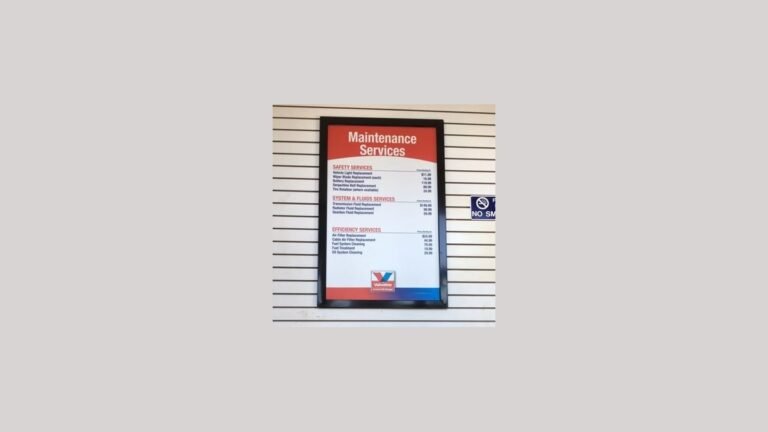
Yes, it’s common for technicians to check tire pressure during their standard oil change service. Most locations include a courtesy check of your vehicle’s tires, fluids, and lights as part of their routine maintenance package. Because service offerings can vary by specific franchise location, it’s always a good idea to confirm with your local technician when you arrive for your scheduled appointment.
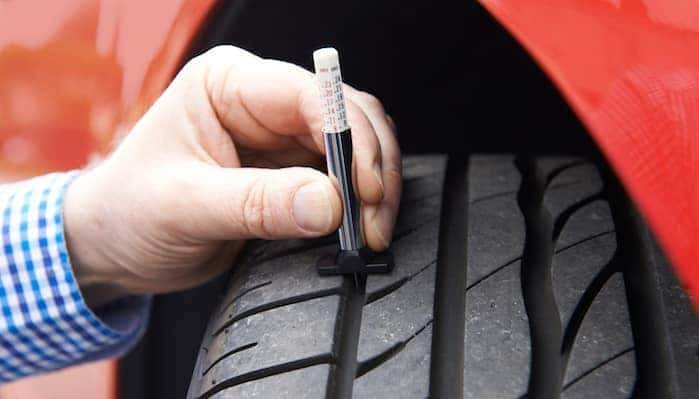
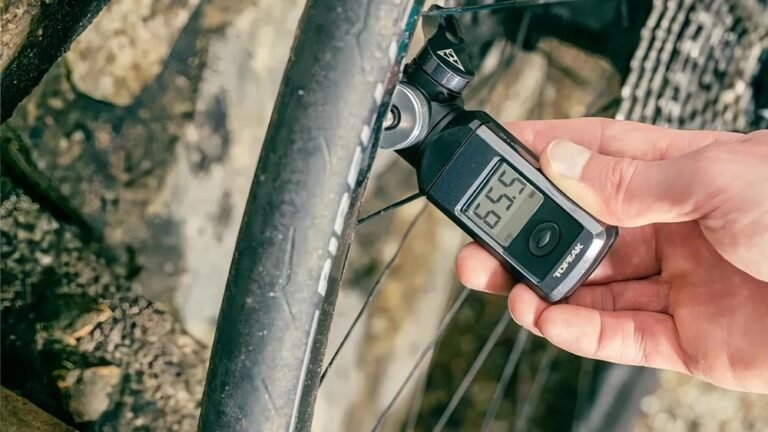
This service is a standard part of their “Full Service Oil Change” process. Technicians typically use a digital or manual gauge to check the air pressure in all four tires. They will also inspect the tread depth to look for uneven wear or potential safety hazards. This quick check helps you maintain better fuel efficiency and ensures your tires are performing safely on the road.
The main factor that dictates whether they can perform this check is the current condition of your tires. If your tires have sensors that are faulty or if the valve stems are damaged, the technician may not be able to get an accurate reading. The most common mistake people make is ignoring their tire pressure until a warning light appears on their dashboard. You should check your pressure at least once a month to avoid uneven wear.
How to Get Your Tires Inspected

-
Arrive at the service center and mention that you would like a courtesy tire pressure check included with your oil change. Request that they also check the spare tire, as it’s often neglected and useless when you actually need it.
-
Allow the technician to walk around the vehicle while it’s in the bay to measure the pressure of each tire using a calibrated gauge. Ensure they check all four corners, as uneven wear often signals an alignment issue rather than a simple inflation problem.
-
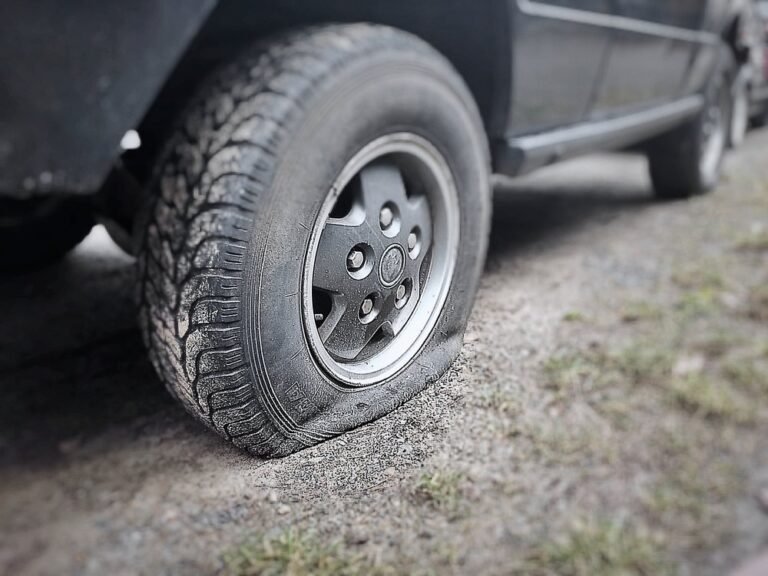
Ask the technician for the specific PSI reading if you have concerns about a particular tire that seems to lose air frequently. If one tire is consistently lower than the others, it may have a slow leak from a nail or a damaged valve stem.
-
Verify that the technician adjusts the pressure to match the recommended levels found on your vehicle’s door placard. Never rely on the pressure numbers printed on the tire sidewall, as those represent the maximum pressure the tire can hold, not your car’s specific requirement.
-
Review the final service report provided to you, which should note if any tires were significantly under-inflated or if they require professional repair.
If a technician finds a puncture in the tread area, they may not be able to patch it safely. Always ask for an inspection to see if the damage is near the sidewall. A puncture within one inch of the sidewall usually requires a full tire replacement, as the structural integrity of the tire is permanently compromised.
Time Needed for Tire Checks
The time required for this service depends heavily on your vehicle’s current state and the shop’s workload.
| Situation | How long | What changes it | What to watch for |
|---|---|---|---|
| Standard check | 2-3 minutes | Number of tires | Visible debris |
| Inflation adjustment | 5-7 minutes | Air compressor speed | Stuck valve caps |
| Sensor reset | 5-10 minutes | Vehicle make/model | Dashboard warnings |
If the process takes significantly longer than 15 minutes, it often indicates the technician has found a slow leak or a damaged valve stem that needs further attention.
Most drivers mistake a quick visual scan for a professional inspection. A true check requires a tread depth gauge to measure wear across the inner, middle, and outer ribs. If your tires show uneven wear, you must ask for an alignment check immediately. Ignoring this pattern will cost you the full remaining life of the rubber in under 5,000 miles.
Use this decision rule: if the tread depth is below 4/32 of an inch, plan for replacement before the next rainy season. If the depth is above 6/32, you have sufficient traction for another year of typical driving. Always verify that the technician checks the spare tire, as these often lose pressure while sitting idle in the trunk.
Signs Your Tires Are Ready

You can verify the work by checking the valve stems on your wheels immediately after the service. A technician should have replaced any missing valve caps, which protect the internal mechanism from dirt and moisture. If you find a cap missing, the shop likely skipped a basic safety step.
If your vehicle is equipped with a Tire Pressure Monitoring System, the light on your dashboard should turn off shortly after you begin driving. Most systems require you to exceed 15 mph for at least two minutes to recalibrate. If the light remains illuminated after five miles, return to the shop and ask them to reset the sensor.
According to the National Highway Traffic Safety Administration, keeping your tires at the correct pressure is vital for vehicle handling and preventing blowouts. A common mistake is ignoring the light because the tires look fine.
Common Errors That Affect Results

-
Checking pressure while tires are hot: Measuring pressure after a long drive gives a false high reading because heat expands the air inside the tire. Always check the pressure when the tires have been sitting for at least three hours to get an accurate “cold” reading. If you must check them while warm, add four PSI to the manufacturer’s recommended cold pressure to compensate for the thermal expansion.
-
Ignoring the door placard: Many people fill their tires to the wrong pressure because they guess the number instead of checking the manufacturer’s label. Always use the PSI value listed on the sticker inside your driver-side door frame for the most accurate and safe handling. Don’t use the “maximum pressure” number printed on the tire sidewall, as that figure represents the tire’s structural limit, not the optimal pressure for your specific vehicle’s weight and suspension.
-
Using a cheap, uncalibrated gauge: A low-quality gauge can be off by several PSI, leading to uneven tire wear over time. Invest in a high-quality digital gauge or trust the professional equipment used by the technicians at the shop to ensure your safety. If your gauge consistently shows a variance of more than two PSI compared to a shop’s professional tool, discard it immediately.
Frequently asked questions
Can I get my tires checked without an oil change?
Yes, most locations will perform a courtesy tire pressure check as a standalone service, but it’s best to call ahead. Some shops may prioritize full-service customers during busy hours, so confirm their availability first. If you just need a quick check, they can usually do it in a few minutes, provided they aren’t currently handling a queue of vehicles.
Is it safe to drive with low tire pressure?
No, driving with low tire pressure is unsafe because it increases the risk of a blowout and reduces your vehicle’s braking efficiency. Under-inflated tires also generate more internal heat, which can lead to structural damage over time. You should address low pressure immediately, especially if you plan on driving at highway speeds or carrying heavy loads.
How often should I check my tire pressure?
You should check your tire pressure regularly to ensure your vehicle remains safe and fuel-efficient, though the frequency depends on your specific usage and the guidelines found in your owner’s manual. Temperature changes can cause air pressure to drop, so it’s important to check more frequently during seasonal shifts. Always verify your pressure before taking long road trips or if you notice your vehicle feels different during turns.
What happens if the shop finds a nail?
If the shop finds a nail in the tread, they will assess whether it can be safely repaired with a patch or plug. If the nail is in the sidewall or shoulder of the tire, the tire is generally considered non-repairable for safety reasons. In such cases, you’ll need to replace the tire to avoid the risk of a sudden failure while driving.
Why does my tire pressure light stay on?
Your tire pressure light may stay on because the system needs to be reset after the tires have been properly inflated. Some vehicles require you to drive for a few miles before the sensors update, while others have a specific reset button in the menu. If the light remains on after you have verified the pressure is correct, the sensor itself may be faulty.
Conclusion
Keeping your tires properly inflated helps you save on fuel and keeps your car running smoothly on the road. Don’t hesitate to ask your technician for a quick pressure check whenever you stop by. It’s a simple way to stay safe, and you’ll feel much more confident during your next long drive.
Related guides