How to Measure Tire Thread
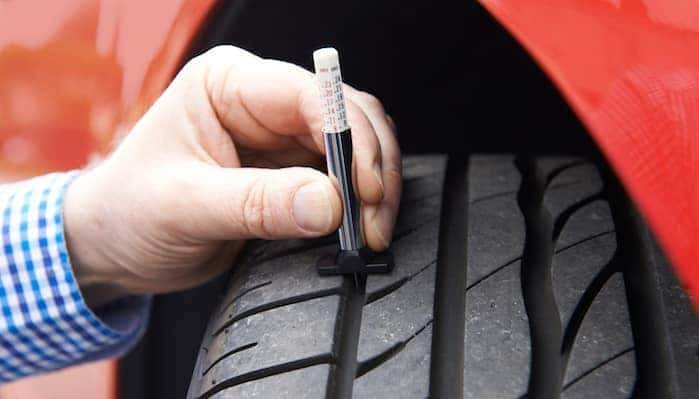
Measuring tire tread is easy when you use a simple depth gauge or a standard penny to check the remaining rubber on your wheels.
Equipment needed to measure tire tread
You don’t need expensive equipment to inspect your vehicle’s rubber. Having these items ready will make the process faster and more accurate:
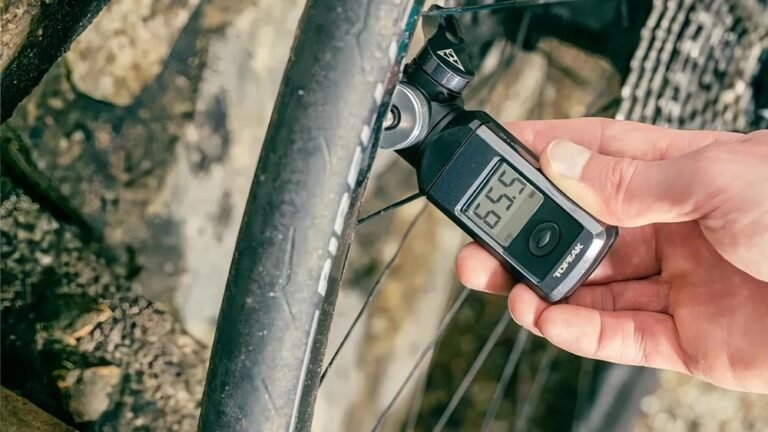
- Tire depth gauge: A small, inexpensive tool that gives a precise measurement in 32nds of an inch.
- A clean penny: Useful for a quick visual check if you don’t have a gauge.
- A flashlight: Helps you see clearly into the grooves, especially in dim lighting.
- A clean rag: Used to wipe away dirt or small stones stuck in the tread.
- Owner’s manual: Check this to see if the manufacturer suggests a specific replacement depth.
If you’re using a gauge, make sure the probe is clean so it slides smoothly. Don’t rely on a worn-out ruler, as it won’t fit into the thin grooves of the tire. You can purchase a professional gauge at any auto parts store for a few dollars.
Checking your tread depth
Follow these steps to inspect your tires safely while the car is parked on a flat surface.
- Park your car on level ground and engage the parking brake to keep it steady.
- Turn your steering wheel all the way to one side to expose the inner tread of the front tires.
- Clean out any rocks or debris from the main grooves using your rag.
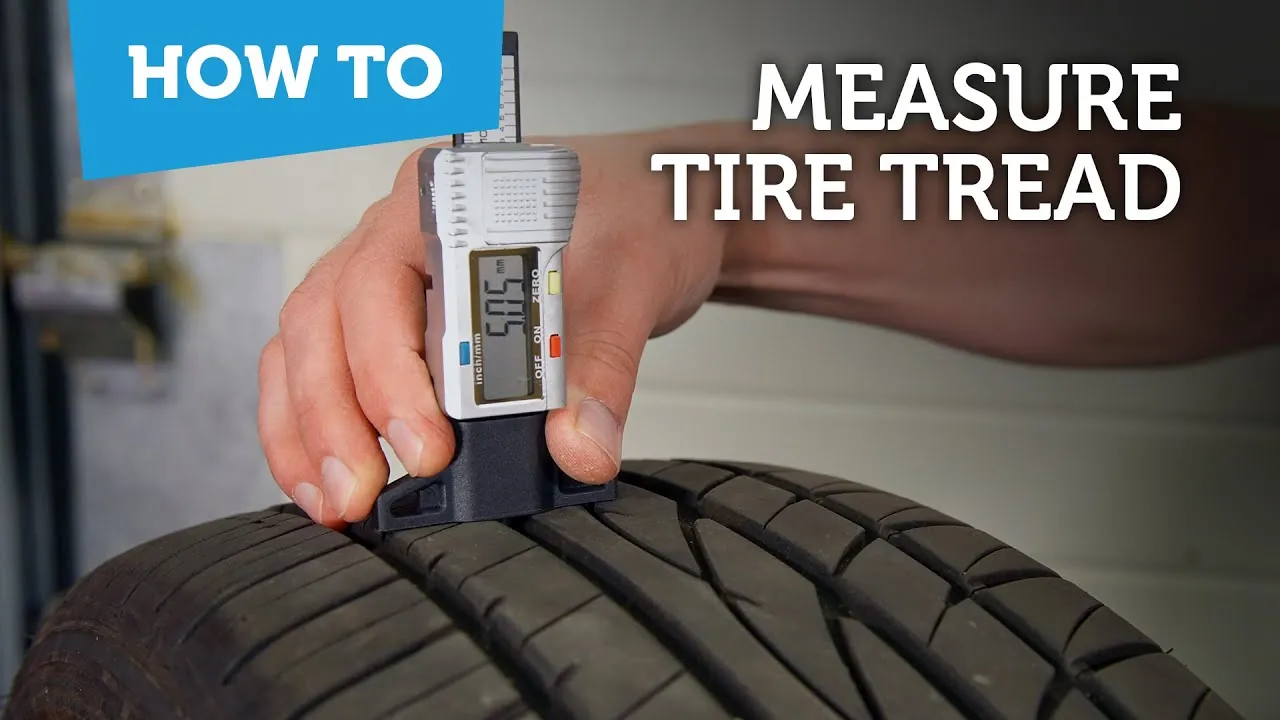
- Insert the probe of your depth gauge into the center groove of the tire.
- Push the base of the gauge flat against the rubber block.
- Read the measurement on the sliding scale to see how much tread remains.
- Repeat this at several spots around the tire to ensure the wear is even.
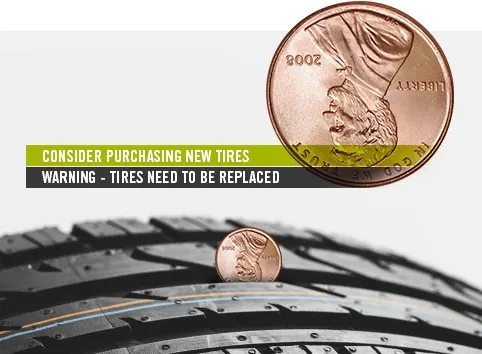
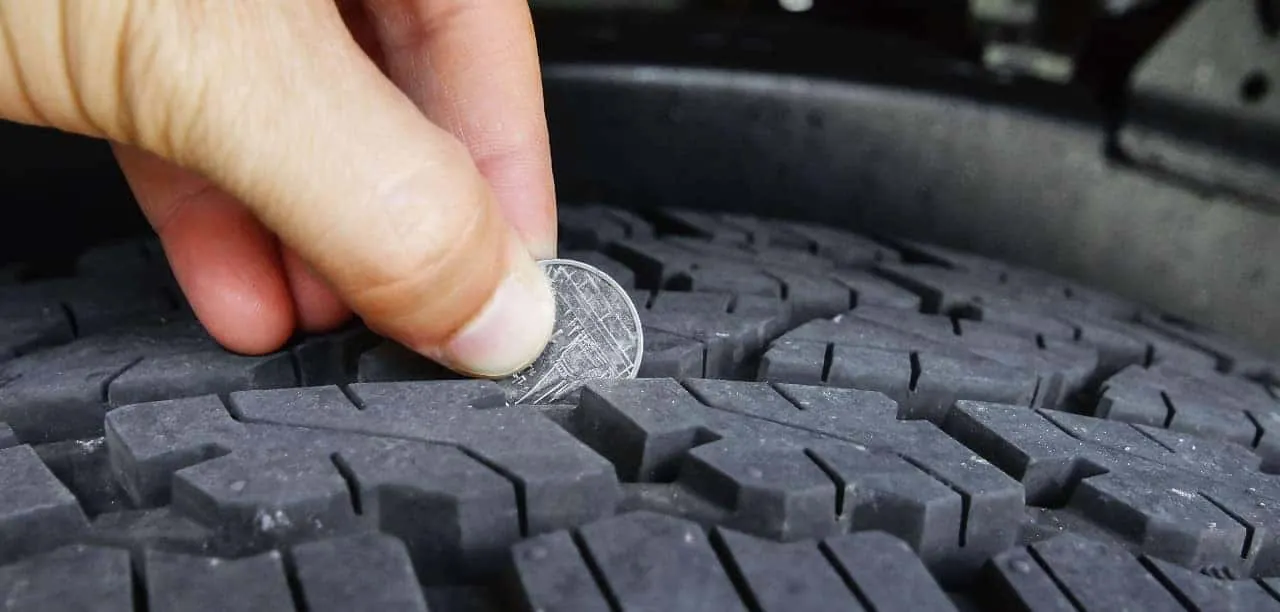
Tip: If you use the penny method, place the coin into the groove with Lincoln’s head facing down. If you can see the top of his head, your tread is too low and you need new tires.
Careful: Always check the inner, center, and outer edges of the tire. Uneven wear can indicate alignment issues that require a professional mechanic to fix.
Adjusting for different tire types
Tire health varies based on the type of rubber and how you drive your vehicle.
| Tire Situation | Typical Limit | What to Watch |
|---|---|---|
| Passenger tires | 2/32 inch | Check for even wear |
| Winter tires | 4/32 inch | Look for rubber hardening |
It’s always safer to start your inspection early and replace tires before they reach the bare minimum. Over-extending the life of a tire makes it much harder to stop on slick surfaces.
If you drive in heavy rain, replace your tires at 4/32 inch regardless of the tire type. At this depth, the channels can no longer evacuate water fast enough to prevent hydroplaning.
Many drivers make the mistake of measuring only the center tread. Instead, check the inner and outer shoulders. If the edges are worn smooth while the center remains deep, your alignment is likely off.
Use this rule: if the tread depth is within 1/32 inch of the limit, schedule a replacement within two weeks. Waiting until the limit is reached often forces an emergency purchase, which limits your ability to shop for the best price or performance rating.
Judging a good result
A healthy tire shows deep, clear grooves across the entire width of the rubber. A poor result occurs when the tread is shallow, smooth, or shows exposed fabric or steel belts. The National Highway Traffic Safety Administration notes that tires are considered legally worn out when the tread depth drops to 2/32 of an inch.
You can verify this depth using the penny test. Insert a penny into the groove with Lincoln’s head facing down. If you can see the top of his head, your tread is dangerously thin.
Uneven wear patterns indicate specific mechanical failures. If the center of the tread is worn but the edges are thick, your tires are over-inflated. If only one side is worn, your vehicle alignment is off. Rotate tires every 5,000 to 8,000 miles to prevent this. Check pressure monthly to ensure even wear.
Following safety standards
Drivers must follow the maintenance standards set by their vehicle manufacturer and local traffic laws. Once you finish your check, record the depth in a notebook so you can track how fast your tires are wearing down. Tires typically last for a period that depends on the distance driven and the road conditions.
If you find that your tires are below the legal limit, don’t attempt to repair them. Tire repair is only for small punctures in the tread area; worn-out tread means the entire tire is structurally compromised and must be replaced by a qualified technician. Never ignore low tread, as it significantly reduces your ability to brake or steer in an emergency.
Alternative ways to inspect
Using wear bars
Many modern tires have built-in “wear bars” located between the tread grooves. These are small, raised rubber bridges. If the tread surface is flush with these bars, the tire is at the end of its life and needs to be replaced immediately.
Visiting a shop
If you feel unsure about your measurements, take your vehicle to a tire shop. Most shops will perform a free inspection to confirm your findings. This is a good option if you suspect alignment issues or have a tire that’s wearing faster than the others.
Professional alignment check
If you notice that one tire is much thinner than the others, take your car to a mechanic for an alignment check. This ensures that your new tires won’t wear down prematurely. A professional shop has the laser equipment necessary to fix issues that a home inspection can’t identify.
Frequently asked questions
Is it safe to drive with 2/32 inch of tread?
No, 2/32 of an inch is the absolute minimum legal limit in most places and offers very little grip on wet roads. You should plan to replace your tires as soon as they reach this depth to ensure you can stop safely in rain or snow.
How often should I check my tire tread?
You should check your tread depth regularly whenever you check your tire pressure, as the frequency depends on your usage and the recommendations found in your owner’s manual.
Why do my tires wear out on the sides?
Tires wearing out on the sides usually happens because of low air pressure or poor vehicle alignment. If the edges are worn but the center is fine, inflate your tires to the manufacturer’s recommended pressure and have a mechanic check your alignment.
Can I measure tread with a ruler?
Yes, you can use a ruler, but it’s often difficult to get an accurate reading inside the narrow grooves. A dedicated depth gauge is much easier to use because it’s designed to fit perfectly into the tread pattern of a standard car tire.
What happens if I drive on bald tires?
Driving on bald tires significantly increases your risk of hydroplaning and makes it much harder to stop on wet or icy pavement. You’ll have almost zero traction in bad weather, which puts you and other drivers at a high risk of an accident.
How long do tires usually last?
Most tires have a lifespan that varies, but this depends entirely on your driving habits and the road conditions.
Conclusion
Regularly monitoring your tires is one of the easiest ways to keep your vehicle safe on the road. By checking the tread depth once a month, you can ensure that you have enough grip to stop when you need to most. If you ever feel uncertain about the condition of your tires, visit a professional shop to get a second opinion.