What Is the Lightest ATV Mud Tire: The Kenda Bearclaw Verdict
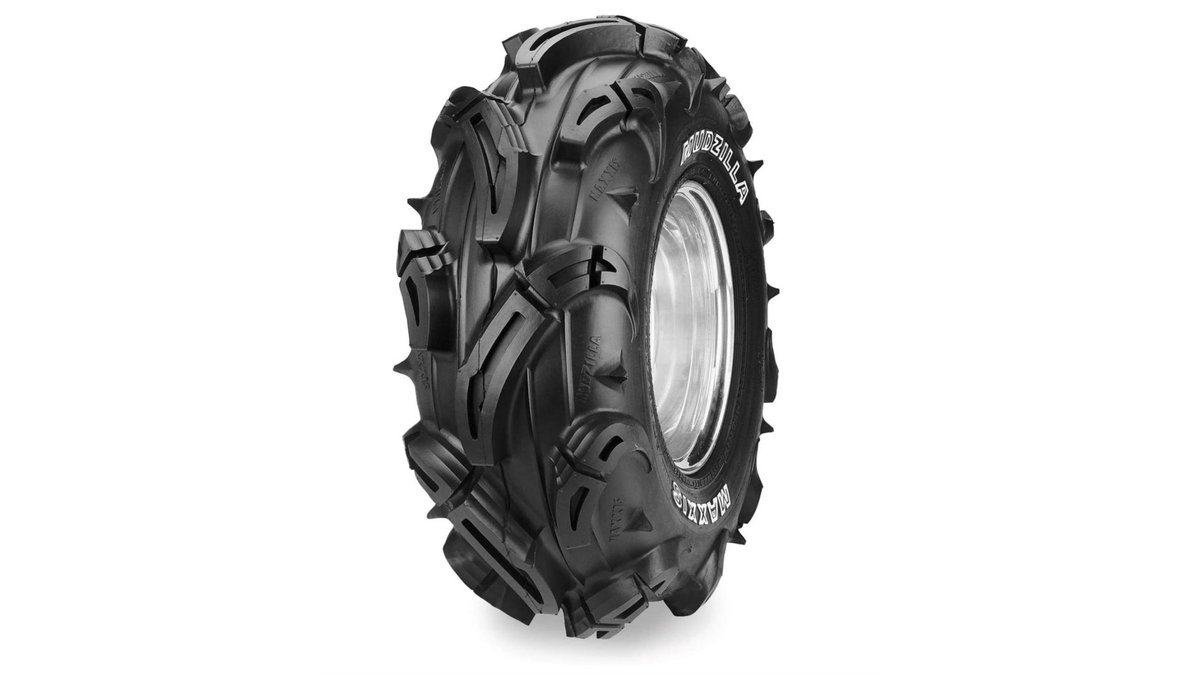
The Kenda Bearclaw is widely considered the lightest atv mud tire for casual riders who need a balance of weight and grip. This tire typically weighs between 15 and 20 pounds depending on the specific diameter and width you choose. If you prioritize saving weight to protect your drivetrain, you must select the smallest diameter that fits your current wheel setup.
What makes a mud tire the lightest
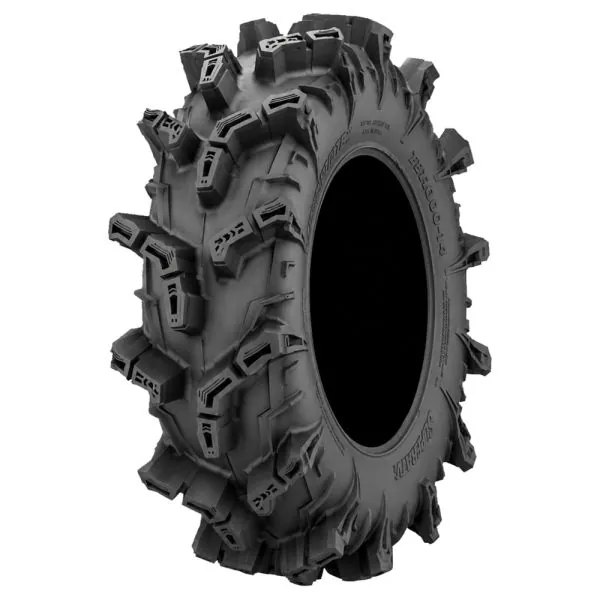
Lighter tires put less stress on your ATV’s engine, transmission, and drive belts. Reducing unsprung weight prevents premature belt slippage and keeps your clutch from overheating during long rides.
Most lightweight mud tires use a 4-ply or 6-ply rating to keep the mass low. If you ride rocky terrain, choose the 6-ply option to avoid sidewall punctures that leave you stranded.
Smaller lugs provide less traction in deep bogs but offer better performance on hard-packed trails. If you primarily ride thick, soupy mud, the weight savings of smaller lugs won’t compensate for the loss of grip.
Always check your owner’s manual for the maximum tire diameter allowed for your machine. Exceeding this limit causes tire rub against the frame or plastic fenders.
Weight varies by size; a 25-inch tire is always lighter than a 26-inch version of the same model.
Why weight impacts your machine
The primary reason to seek a lighter mud tire is to reduce the rotational mass of your vehicle. Every pound you add to the tire is harder to rotate than a pound added to the frame. When you increase the weight of your tires, the engine must work harder to accelerate, which increases heat in your transmission. This added strain often leads to premature belt failure or worn-out axle components.
Engineers at the Consumer Product Safety Commission note that changing tire sizes can significantly alter the handling and stability of an off-road vehicle. If you choose a tire that’s too heavy, your ATV will feel sluggish and steering will become noticeably harder at low speeds. This effect is even more pronounced on smaller displacement engines, such as those under 400cc.
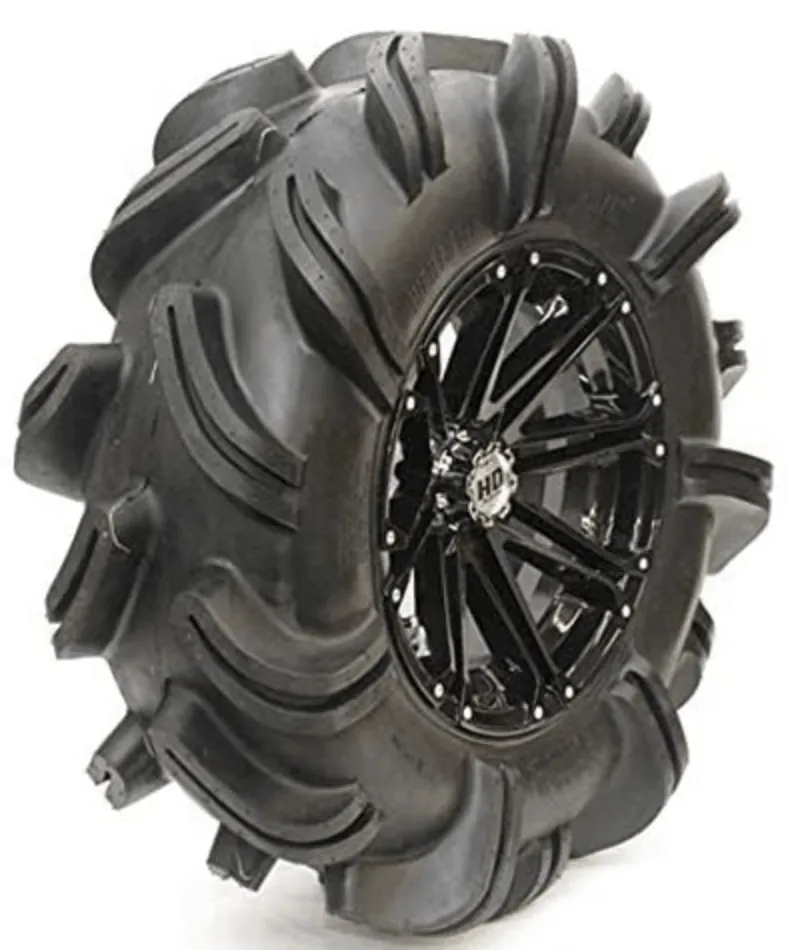
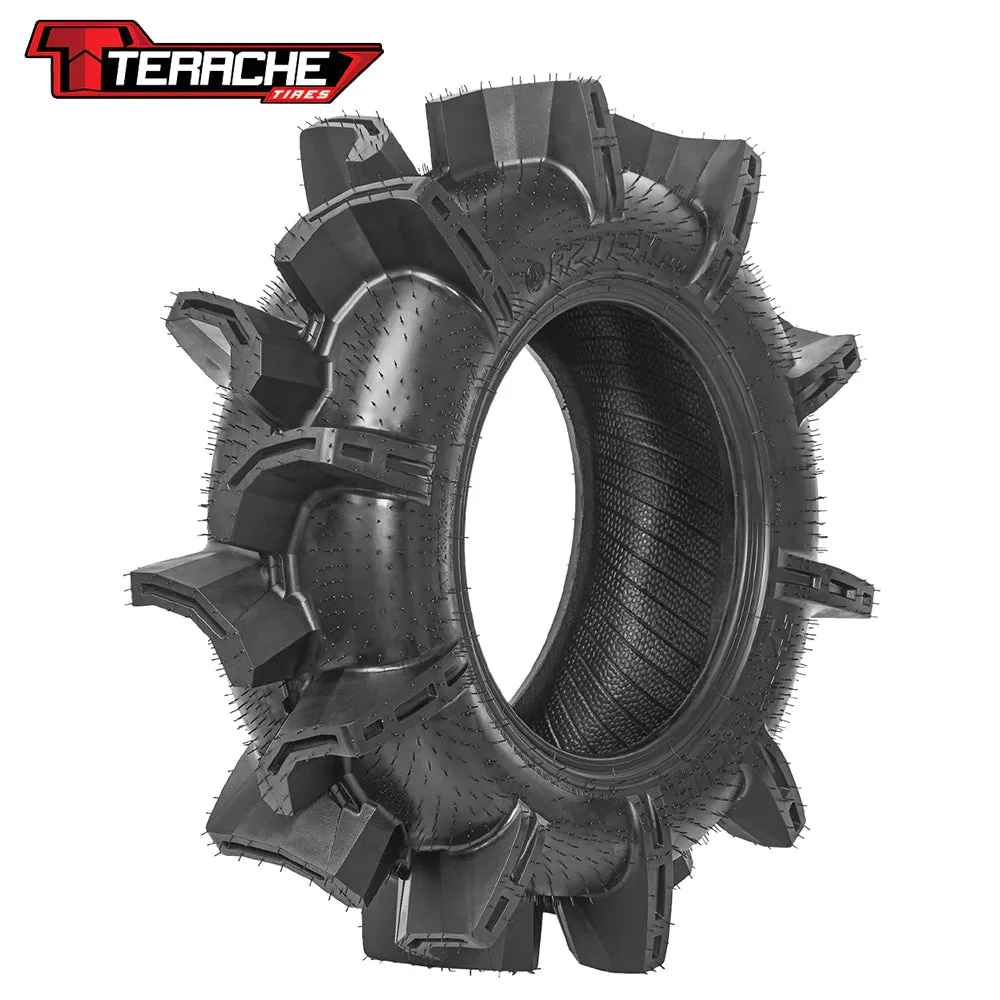
You should always balance the need for traction with the power output of your engine. If you ride in thick, deep mud, you need large, aggressive lugs, which are inherently heavier.
If your riding consists mostly of wet trails and light mud, a hybrid or “all-terrain” tire with slightly deeper lugs will provide the performance you need without the weight penalty of a dedicated mud monster. Always consult your service manual to see the stock tire weight and size, as this is your baseline for all future upgrades.
When the answer is different
| Situation | What changes | What to do instead |
|---|---|---|
| Deep mud pits | Traction requirement | Choose aggressive heavy lugs |
| High-speed trail riding | Stability needs | Use lighter 4-ply tires |
| Rocky terrain | Puncture risk | Select thick 8-ply tires |
| Engine over 700cc | Power allowance | Accept heavier mud tires |
| Racing applications | Weight limits | Use specialized light compounds |
Most riders make the mistake of choosing a “do-it-all” tire, but this compromise often leaves you stranded. If you primarily ride hard-packed dirt, an aggressive mud lug will actually reduce your contact patch, causing you to slide uncontrollably in corners.
Use this simple decision rule: if your terrain is sharp or jagged, prioritize ply rating over tread depth. A 6-ply tire might save weight, but it will likely suffer sidewall tears on granite trails. If you’re unsure of your primary terrain, look at the wear patterns on your current set. If the center lugs are cupping, you’re likely over-inflating for your weight or using a tire compound that’s too soft for your local soil.
How to install your tires properly
-
Place your ATV on a sturdy jack stand so all wheels are off the ground. Never rely solely on a hydraulic floor jack, as a sudden seal failure can drop the machine while your hands are near the hub.
-
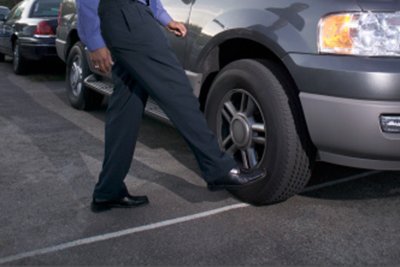
Use a lug wrench to remove the existing lug nuts and pull the old tire off the hub. If the wheel is seized, strike the tire sidewall firmly with the palm of your hand rather than using a hammer, which can damage the rim.
-
Clean the wheel rim surface with a wire brush to remove any dried mud or debris. Even a thin layer of grit prevents a flush seal, leading to slow air leaks.
-
Mount the new tire, ensuring the rotation arrow on the sidewall matches the forward direction. If your tires lack an arrow, look for a “V” tread pattern; the point of the V should contact the ground first.
-
Inflate the tire to the pressure listed on your tire sidewall or owner’s manual. Most trail tires require between 5 and 10 PSI. Over-inflating makes the ride harsh and prone to punctures from sharp rocks.
-
Tighten the lug nuts in a star pattern to ensure even pressure across the hub. Always use a torque wrench set to the manufacturer’s specification. Overtightening can snap a stud, while loose nuts will oval the bolt holes, ruining the wheel rim entirely.
The mistakes that ruin performance
Over-inflating tires to gain ground clearance creates a smaller contact patch and reduces traction. You lose vital grip on loose surfaces, turning a simple trail into a dangerous slide.
Buying the largest tire that fits the wheel well often causes rubbing during full suspension compression. This friction destroys your inner fender liners and can slice into the tire sidewall, leading to a catastrophic blowout at highway speeds.
Mixing different tire tread patterns on the front and rear axles ruins your machine’s handling. If your front tires shed mud while your rears pack it in, the vehicle will understeer unpredictably in corners.
Ignoring the load rating can lead to sidewall failure when carrying heavy gear.
Frequently asked questions
Can I install larger mud tires without changing gears?
You can install larger tires, but you’ll notice a significant loss in low-end power and acceleration. If the tires are more than two inches larger than stock, your engine will struggle to turn them in deep mud. Most riders who move to larger tires eventually install a clutch kit to compensate for the lost torque.
Is it safe to use a lighter tire for deep mud?
It’s safe for your machine’s drivetrain, but you may get stuck more often than riders with heavy, aggressive tires. Lightweight tires usually have shallower lugs that do not “paddle” through deep mud as effectively. If you ride in soft, bottomless muck, prioritize traction over weight savings to avoid getting stranded.
How much weight does a mud tire add?
A typical mud tire adds between 3 and 7 pounds per tire compared to a stock all-terrain tire. This difference depends on the rubber compound and the depth of the tread lugs. Always weigh your stock tire first, then compare it to the manufacturer’s specification sheet for the new tire before you make a purchase.
Does tire weight affect fuel economy?
Tire weight directly affects fuel consumption because your engine must expend more energy to rotate the heavier mass. You’ll notice a minor decrease in fuel efficiency when switching to heavier mud tires. For most riders, this increase in fuel usage is an acceptable trade-off for the improved traction provided by the mud-specific tread.
What happens if I ignore the load rating?
Ignoring the load rating risks a sidewall blowout or a bent rim when you hit a sharp rock or log. The load rating is determined by the number of plies in the tire construction and the air pressure it can handle. Always check the sidewall markings to ensure the tire matches your ATV’s weight and cargo capacity.
Does the tire width matter for weight?
The width of the tire significantly changes the weight, as wider tires require more rubber and reinforcement. A 10-inch wide tire will always be lighter than a 12-inch wide tire of the same model and height. If you want to keep weight low, choose the narrowest tire width that provides enough stability for your specific riding style.
Conclusion
Choosing the right tire is a balance between the traction you need for your local terrain and the power your engine can reliably deliver. Stick to the smallest diameter that meets your needs to keep your machine running smoothly for many seasons.
Related guides