Why Is My Bike Tire Rubbing? How to Find and Fix the Cause
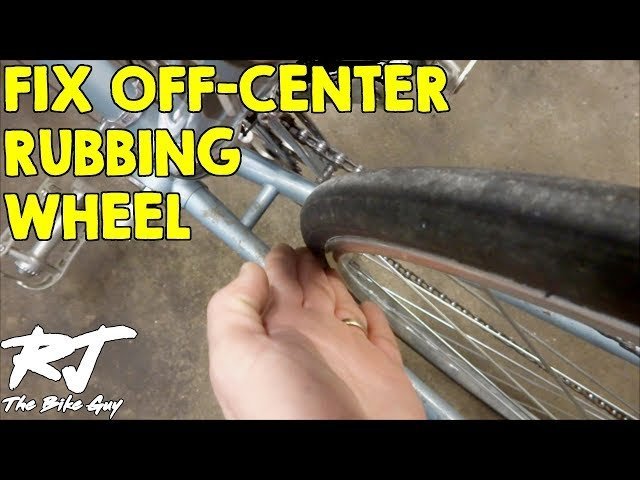
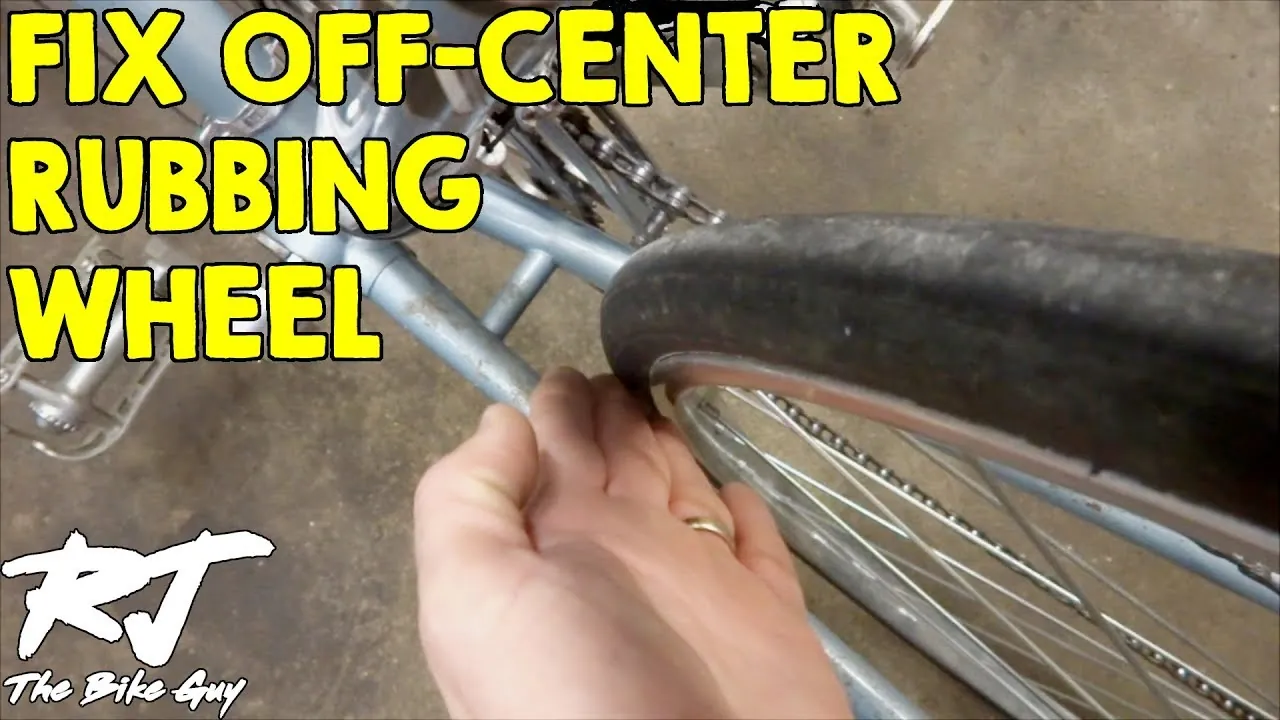
A bent wheel rim or a loose spoke is the most common reason why a bike tire is rubbing against the frame or brakes. You can quickly check this by spinning the wheel while watching the gap between the tire and the frame. If the gap changes as the wheel turns, the wheel is likely out of true. For more complex alignment issues, you should consult the Park Tool bicycle repair guide to identify specific mechanical faults.
Common causes of tire rubbing
| Cause | How common | How to confirm it | Fix it yourself? |
|---|---|---|---|
| Bent wheel rim | Very common | Watch the gap while spinning | Yes with care |
| Loose axle | Common | Push the wheel side-to-side | Yes |
| Misaligned brake pad | Common | Look for pad touching tire | Yes |
| Loose spokes | Frequent | Squeeze pairs of spokes | Yes with care |
| Damaged frame | Rare | Check frame for cracks | No |
| Worn wheel bearings | Rare | Feel for play in hub | No |
Dealing with a bent wheel rim
A bent rim, often called being “out of true,” occurs when the metal hoop is no longer perfectly round or centered. This causes the tire to wobble as it spins, eventually striking the brake pad or the seat stay of the bike frame. This issue usually happens after hitting a pothole or a curb at speed, which puts uneven stress on the wheel structure.
To confirm this, lift the bike off the ground and spin the wheel. Watch the space between the tire and the brake pads or the frame. If the distance fluctuates as the wheel rotates, the rim is bent. You can fix minor wobbles by adjusting the tension of the individual spokes using a spoke wrench.
If you’re new to this, move the spoke nipple only a quarter turn at a time. If the rim has a major dent or flat spot, you must take it to a professional bike mechanic. Trying to force a severely bent rim back into shape often results in broken spokes or further damage to the wheel structure.
Checking for a loose axle or quick-release
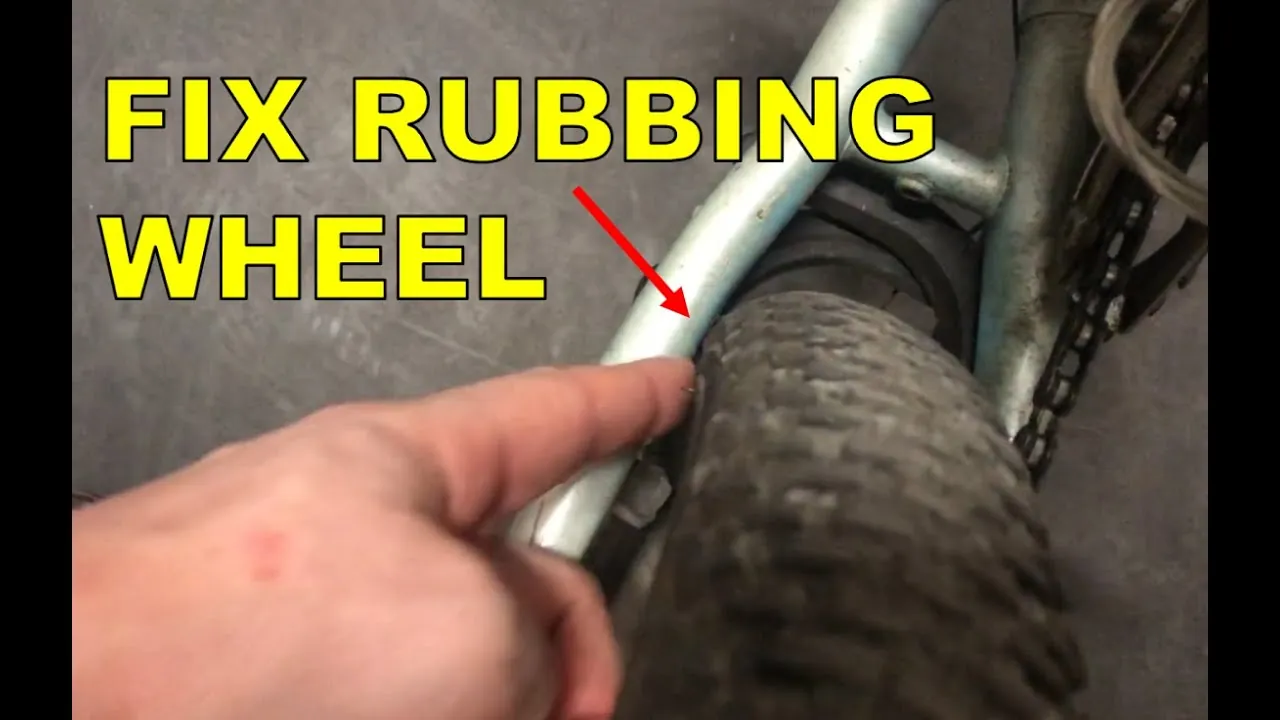
A loose axle allows the entire wheel to shift inside the dropouts, causing the tire to rub on one side of the frame. You can tell if this is the cause by grabbing the top of the tire and pushing it side-to-side while the bike is stationary. If you feel a “clunk” or see the axle moving within the frame slots, your quick-release lever is too loose or the axle nuts have backed off.
Tighten the quick-release lever or the axle nuts firmly to secure the wheel in the center of the frame. If you have a quick-release, the lever should feel firm and leave a slight imprint on your palm when closed.
If the wheel still wobbles after tightening, the internal bearings might be damaged. This is a sign that the hub requires professional maintenance or a complete replacement. If you continue to ride with a loose axle, you risk damaging the frame dropouts permanently, which is an expensive repair.
Adjusting misaligned brake calipers
Sometimes the tire isn’t rubbing the frame but is instead hitting a brake pad that has shifted position. This happens when the brake caliper mounting bolt loosens or the brake arm becomes bent from a fall. You can identify this by looking closely at the brake pads while the wheel is spinning. If the pad is touching the rubber sidewall of the tire rather than the metal rim, the brake alignment is the culprit.
Loosen the mounting bolt on the brake caliper, center it over the rim, and hold it in place while you tighten the bolt again. Check that the pads don’t touch the tire when the brake lever is pulled.
If the caliper is bent or the spring is broken, it won’t stay centered regardless of your adjustments. In this case, the caliper must be replaced to ensure safe stopping power. Don’t ride the bike if the brake pad is rubbing the tire, as the friction will quickly wear through the tire casing and cause a blowout.
Rare issues and professional help
- Frame misalignment: A bent frame usually results from a significant crash, and you’ll notice the bike doesn’t track straight on the road.
- Worn hub bearings: If the wheel feels gritty when spinning or has excessive side-to-side play despite a tight axle, the bearings are likely shot.
- Tire seating: An improperly seated tire bead can cause a “lumpy” section that rubs even if the rim is perfectly true.
- Damaged dropouts: If the frame slots where the axle sits are worn or bent, the wheel will never sit straight.
Any repair involving frame structural integrity or internal hub bearing replacement requires specialized tools and technical training. If you can’t solve the issue with simple adjustments, take the bike to a local shop. A professional mechanic can check for metal fatigue or structural damage that isn’t visible to the naked eye.
What a fix usually involves
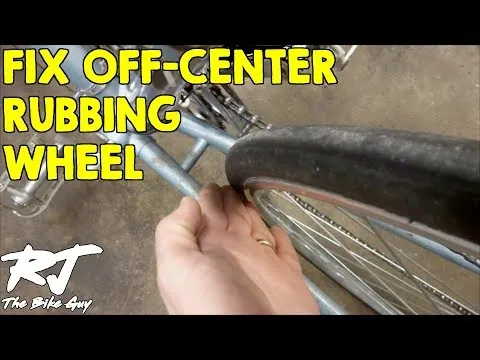
Fixing a rubbing tire involves different levels of effort depending on the root cause. A simple wheel adjustment requires only a spoke wrench or a hex key, which are basic tools found in most home kits.
The time investment for a quick alignment is usually short, taking about as long as a standard tire pressure check. If the wheel is severely bent, the cost of repair depends on the number of spokes that need replacing and the labor rate of your local shop.
You can get an accurate quote by bringing the wheel into a shop for a quick inspection. Never guess at the repair cost, as it varies based on the specific brand of your wheelset and the availability of replacement parts.
If the rim is damaged beyond repair, you’ll need to compare the cost of a new wheel against the value of the bike. Always check the manufacturer’s documentation for your specific model to see if the parts are still in production.
Related guides
Frequently Asked Questions
How long does a wheel alignment take?
A basic wheel alignment typically takes 15 to 30 minutes for an experienced technician to complete. If the wheel is severely damaged or requires new spokes, the process may take several days depending on part availability at your local bike shop.
Is it safe to ride with a rubbing tire?
It isn’t safe to ride if the tire is rubbing against the frame or brakes, as it can cause sudden tire failure. The friction will rapidly wear down the rubber sidewall, potentially leading to a blowout while you’re riding, which can cause you to lose control of the bike.
Why does my tire rub only when I pedal hard?
Your tire rubs under pressure because the frame or the wheel is flexing under your weight. This usually indicates that the wheel isn’t properly “trued” or that the quick-release skewer isn’t tight enough to hold the wheel steady when you apply extra force to the pedals.
Can a loose spoke cause a flat tire?
A loose spoke can cause a flat if the end of the spoke pushes through the rim tape and punctures the inner tube. You should check the inside of the rim whenever you replace a tube to ensure all spoke ends are flush and not protruding through the tape.
What happens if I ignore the rubbing?
Ignoring a rubbing tire will lead to permanent damage to your tire sidewall and potentially the brake components. Once the sidewall is worn thin, the tire is no longer safe to use, and you’ll need to replace both the tire and the inner tube.
Does a rubbing tire affect my speed?
A rubbing tire creates significant drag, which makes pedaling noticeably harder and slows your overall speed. The extra friction acts like a constant brake, forcing you to work much harder to maintain your normal pace on flat ground or during climbs.
How do I know if my frame is bent?
Your frame is likely bent if the wheel is perfectly true and properly seated, yet it still rubs on one side of the chainstays. This is a serious issue that requires a professional inspection, as a bent frame can make the bike unsafe to handle at higher speeds.
Conclusion
If the rubbing persists after these adjustments, don’t hesitate to visit your local bike shop. A professional mechanic can spot hidden issues that aren’t obvious at home. It’s always better to get a quick expert opinion so you’ll be back on the road with total peace of mind.