Why Do Bicycle Tires Seem Higher In The Summer: Heat
Introduction
Across the United States, a bicycle tire can read higher on a hot summer afternoon than it did on a cool morning. The main reason is heat: warmer air inside a tire creates more pressure. Sunlight and riding can warm a tire even above the outdoor air temperature.
That higher reading does not usually mean the tire has grown much taller. Tire pressure, tire shape, and the way a tire feels are related, but they are not the same thing. Here’s how to check the pressure and decide what to do.
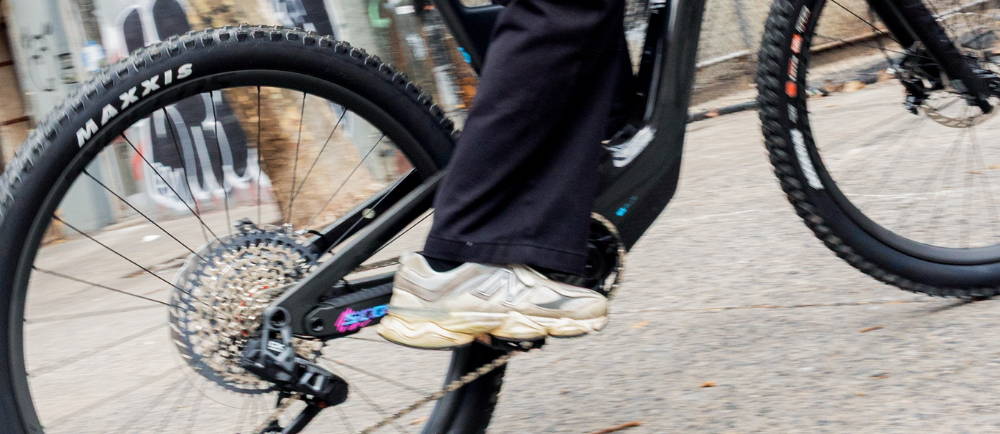
Why does bicycle tire pressure rise in summer?
Warm air raises tire pressure. When air inside a tire heats up, its molecules move faster and push harder against the tire’s inner walls. If the tire’s volume stays nearly the same, its pressure rises.
The relationship can be estimated with the ideal gas law. For a tire with nearly fixed volume, compare absolute pressure at two temperatures:
New absolute pressure ≈ Starting absolute pressure × (New temperature in kelvins ÷ Starting temperature in kelvins)
A tire gauge shows pressure above the surrounding air, called gauge pressure. The calculation uses absolute pressure, which includes the surrounding air pressure. This is why you cannot get an accurate estimate by multiplying the gauge reading by the temperature ratio alone.
A simple example
Suppose a tire reads 80 psi at 68°F (20°C). If its air warms to 104°F (40°C), a fixed-volume estimate puts the pressure near 86 psi—about 6 psi higher.
This is an estimate, not a guaranteed change. A tire’s volume can shift a little, and the tire may not reach the temperature you assume. Still, the example shows why a summer pressure change can be noticeable.
Heat can come from more than hot weather:
- Direct sun can warm the tire above the air temperature.
- Riding creates heat through tire flex and contact with the road.
- A hot garage or car can warm a bike before a ride.
- A cool morning followed by a hot afternoon can change the tire’s temperature even if no air is added.
The ideal-gas relationship is explained in OpenStax’s treatment of the ideal gas law. Bicycle tire maker Schwalbe also explains how pressure affects tire performance in its tire-pressure guidance.

Does a tire get taller when it heats up?
Usually, not by much. A bicycle tire’s casing and rim limit how much its shape can change. Heat may make the tire feel firmer, but a higher gauge reading does not mean the whole tire has expanded upward by a similar amount.
Pressure can affect how much a tire bends under the rider and bike. That can change how the tire feels and how it meets the road. But a tire that looks taller may also be a different size, have a different tread, or be carrying less load.
If “higher” means the pressure number, heat is the likely cause. If it means the physical height or clearance, check the tire’s labeled size, rim fit, and frame or fork clearance instead.

How to check summer tire pressure safely
Check pressure before riding, while the tire is cool. A cool reading gives you a consistent starting point and helps you avoid lowering pressure just because the tire warmed during a ride.
- Use a reliable gauge. A floor pump gauge or a separate tire gauge can help. Small gauges may differ, so use the same one when comparing readings.
- Check the tire before a ride. Let a bike stored in the sun or a hot car cool in the shade first if you need a stable reading.
- Follow the tire and rim limits. Do not exceed the lower pressure limit that applies to your tire and rim. The tire’s sidewall maximum is a limit, not a recommended target for every rider.
- Use a pressure that suits your setup. Tire size, rider and bike weight, surface, and tire construction all affect the useful range. The tire maker’s guidance is a better starting point than a single pressure rule for all bikes.
- If the tire is hot after riding, wait before adjusting it. Let it cool, then check again. Do not release air from a warm tire just to make its reading match a cool-pressure target; the pressure may be too low after the tire cools.
A U.S. road-bike rider should also check that the tire and rim are used within their stated pressure limits. For general tire safety information, the National Highway Traffic Safety Administration’s tire guidance covers motor vehicles, not bicycles; bicycle riders should follow their tire and rim makers’ instructions.

What if the pressure still seems wrong?
First, repeat the check with a cool tire and a known gauge. Then look for a pressure loss or a reading issue before assuming summer heat is the only cause.
| What you notice | Possible reason | What to do |
|---|---|---|
| Pressure is higher after a sunny ride | The tire air warmed in sun or during riding | Let it cool in the shade, then check again |
| Pressure drops over several days | A slow leak, valve leak, or normal air loss | Recheck; inspect the tire and valve if the drop continues |
| Two gauges show different numbers | Gauge variation or poor contact at the valve | Compare with one reliable gauge and use it consistently |
| Pressure changes after a major weather shift | The tire air has cooled or warmed with its surroundings | Recheck before riding and adjust to your chosen range |
| Tire looks unusually tall or rubs the frame | Tire size, wheel fit, or clearance may be the issue | Check the labeled tire size and bike maker’s clearance limits |
If pressure falls quickly, the tire goes soft during a ride, or you find a cut or bulge, do not rely on topping it up. Inspect the tire and tube or tubeless setup before riding again. Seek help from a qualified bike shop if you cannot find the cause or if the tire does not sit properly on the rim.
Key Takeaways
- Summer heat can raise bicycle tire pressure because warm air pushes harder against the tire.
- Sun and riding can heat a tire beyond the outdoor air temperature.
- A warmer tire may feel firmer, but it usually does not become much taller.
- Check and set pressure when the tire is cool, before riding.
- Use the tire and rim limits, plus guidance suited to your bike and load. Do not treat the sidewall maximum as a universal target.
FAQs
Should I let air out of a bicycle tire after a hot ride?
Usually, no. Let the tire cool and check it again before deciding whether to adjust it. Releasing air from a warm tire can leave it underinflated once it cools.
How much does bicycle tire pressure rise in summer?
There is no single amount. It depends on how much the tire warms, its starting pressure, and changes in tire volume. As a rough example, warming air in a tire from 68°F to 104°F could raise an 80 psi reading by about 6 psi under a fixed-volume estimate.
Should I use a lower pressure in summer?
Not just because it is summer. Set pressure for the tire, rim, rider and bike weight, and riding surface. Check it when the tire is cool, then stay within the maker’s limits.
Why does one tire read higher than the other?
The tires may have different starting pressures, sizes, temperatures, or air loss. Check both with the same gauge when they are cool, and inspect a tire that keeps losing pressure.
Does higher summer pressure mean my tire will burst?
A higher reading alone does not show that a tire will fail. But exceeding the applicable tire or rim limit can be unsafe. Check the pressure when cool and follow the limits for both parts.
Conclusion
Bicycle tires seem higher in summer mainly because heat raises the pressure of the air inside them. Check pressure before riding, when the tires are cool, and use the limits and guidance for your tire and rim. If the pressure keeps dropping or the tire looks damaged, inspect it before your next ride.