Can You Drive On A Flat Tire: What To Do Safely
Introduction
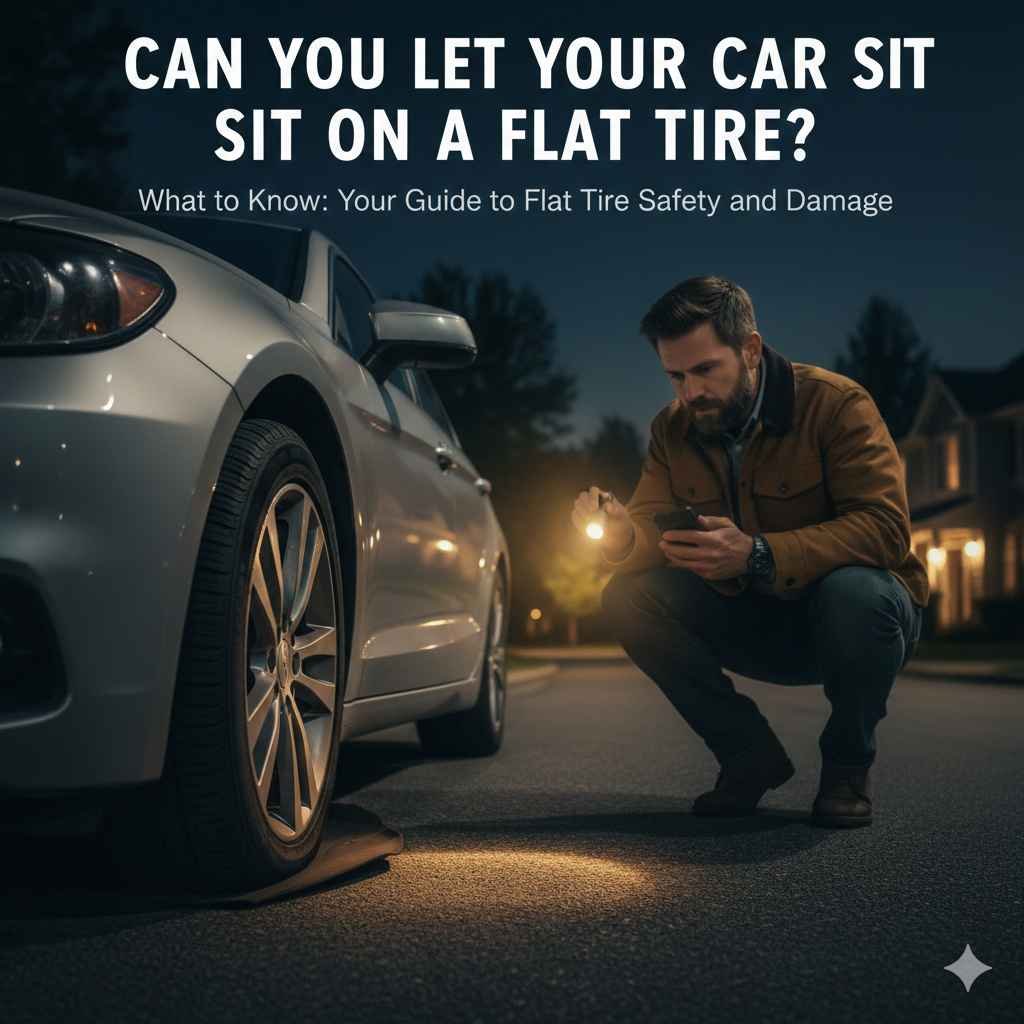
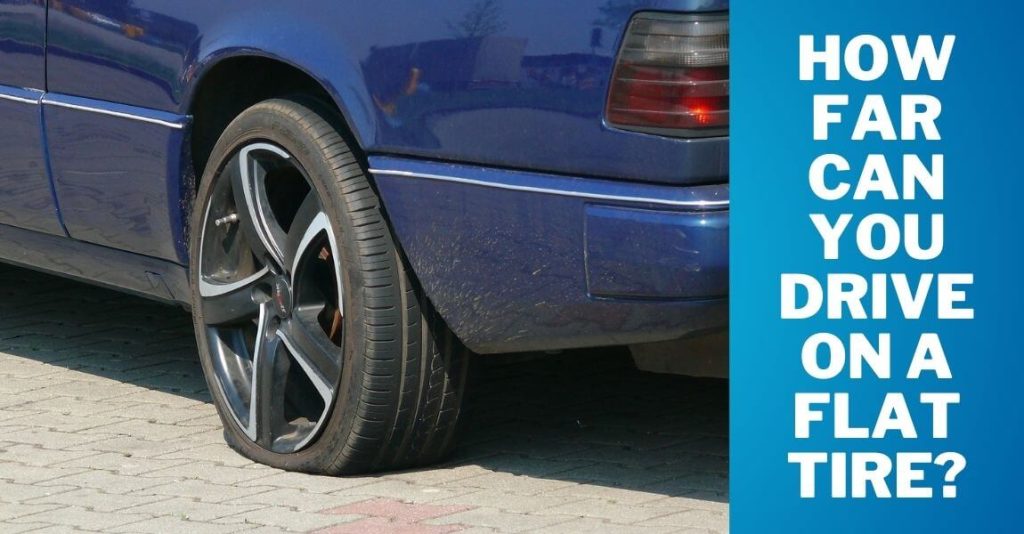
No—do not keep driving on a flat tire. Pull over as soon as you can do so safely, then call for roadside help or change the tire only if you can work well away from traffic. Driving on a flat can damage the tire and wheel, and it can make the vehicle harder to control.
On U.S. roads, your safest next step depends on where the tire went flat. A quiet parking lot gives you room to stop and assess the problem. A busy highway shoulder may not be a safe place to change a tire, even if you have a spare.
Key Takeaways
- Stop driving as soon as it is safe. Do not try to reach your destination on a flat.
- If you are in a traffic lane, move only as far as needed to reach a safer spot, if the vehicle still responds and you can move without putting people at risk.
- A vehicle with run-flat tires may have limited mobility after a puncture, but you must follow the tire and vehicle maker’s limits.
- Use a spare only as directed in your owner’s manual. If the roadside is unsafe, stay clear of traffic and call for help.
Why you should not drive on a flat tire
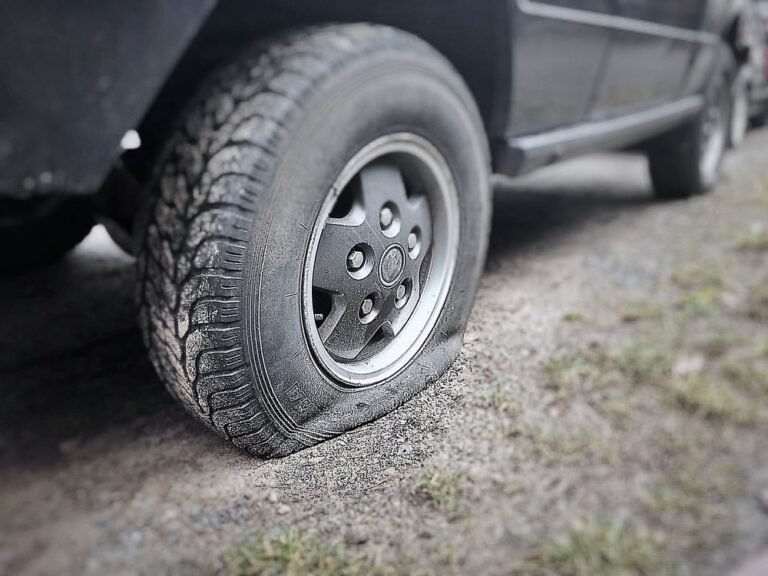
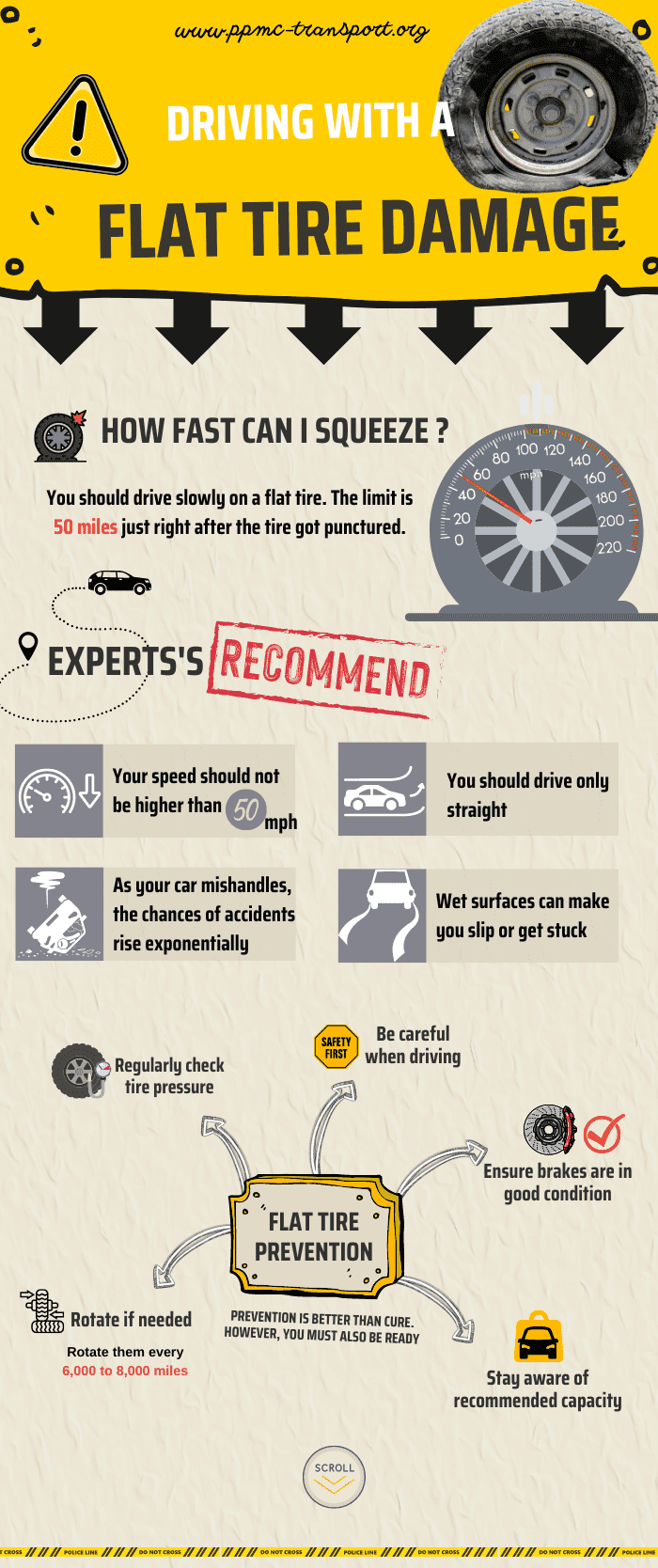
A flat tire cannot support the vehicle as designed. Its sidewall can fold and rub against the road, which can ruin the tire and may harm the wheel. The car may also pull to one side, feel unstable, or take longer to respond to steering.
A tire does not need to look fully collapsed to be unsafe. Low pressure can also affect handling and cause heat and damage as the tire rolls. The National Highway Traffic Safety Administration (NHTSA) advises drivers to check tire pressure and inspect tires regularly; a tire-pressure warning or visible damage is a reason to stop and assess the tire, not a reason to keep driving.
The risk grows with speed and distance. There is no safe distance that applies to every flat tire, vehicle, road, and load. Even a short drive can turn a repairable puncture into a damaged tire or wheel.

What to do when a tire goes flat
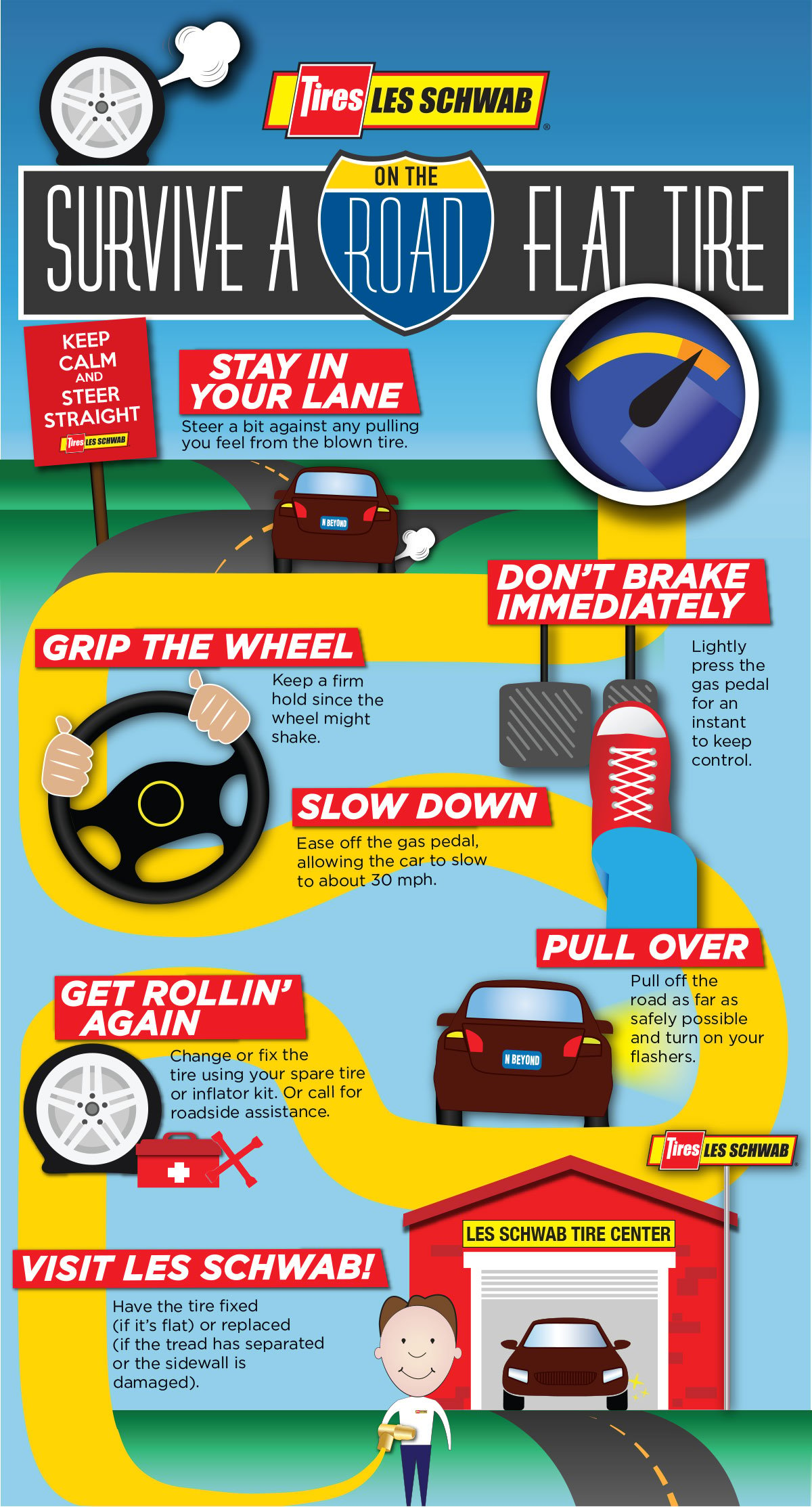
Slow down smoothly and get out of traffic without making a sudden move. A loud thump, a strong pull, a flapping sound, or a tire-pressure warning may signal a problem. Keep both hands on the wheel and avoid hard braking or sharp steering.
- Ease off the accelerator. Let the vehicle slow down. Avoid slamming on the brakes.
- Signal and move to a safe place. Use the shoulder, a parking lot, or another firm area away from moving traffic. Do not stop in a travel lane if you can safely reach a safer spot.
- Turn on your hazard lights. Set the parking brake once stopped. If you are on a road with fast traffic, do not stand beside the vehicle or attempt a tire change close to passing cars.
- Check your surroundings before leaving the vehicle. If the location feels unsafe, stay in the vehicle with your seat belt on when that is the safer option, and call roadside assistance. Call 911 if you are in immediate danger or blocking a live lane.
- Choose help based on the tire and location. Change the tire only on firm, level ground and only if you can work safely. Otherwise, call for a tow or roadside service.
If the car is still in a live lane and can move, reaching a safer spot may be less dangerous than stopping there. Move only as far as necessary, at the lowest practical speed, and stop if the vehicle becomes hard to control. Moving on a flat can cause more damage, so treat this as an emergency measure—not permission to continue to a repair shop.

Does a run-flat tire change the answer?
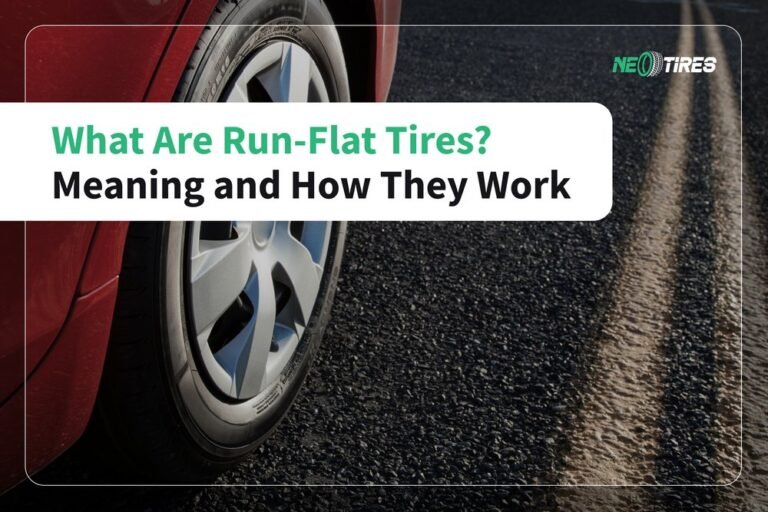
Sometimes—but only within the limits set for that tire and vehicle. Run-flat tires are built to support a vehicle for a limited time after losing pressure. Their ability to do so depends on the tire, vehicle, load, damage, and driving conditions.
Check the owner’s manual and the tire maker’s instructions for the permitted speed and distance. Do not assume that every run-flat tire has the same limits. Stop as soon as you can safely do so, and do not keep driving if the vehicle feels unstable, the tire is visibly damaged, or the instructions say to stop.
A tire-pressure monitoring system (TPMS) can alert you to low pressure, but it does not make a damaged tire safe to drive on. If a warning appears, slow down and find a safe place to stop. The NHTSA’s tire safety guidance explains tire-pressure monitoring and the value of checking pressure.

Can you use a spare or tire sealant?
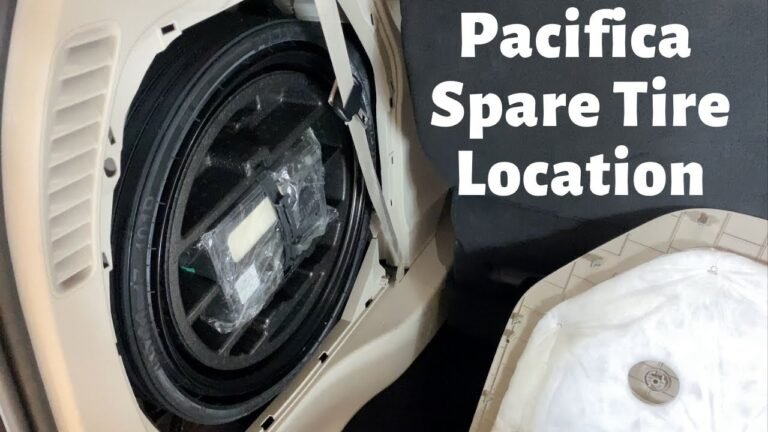
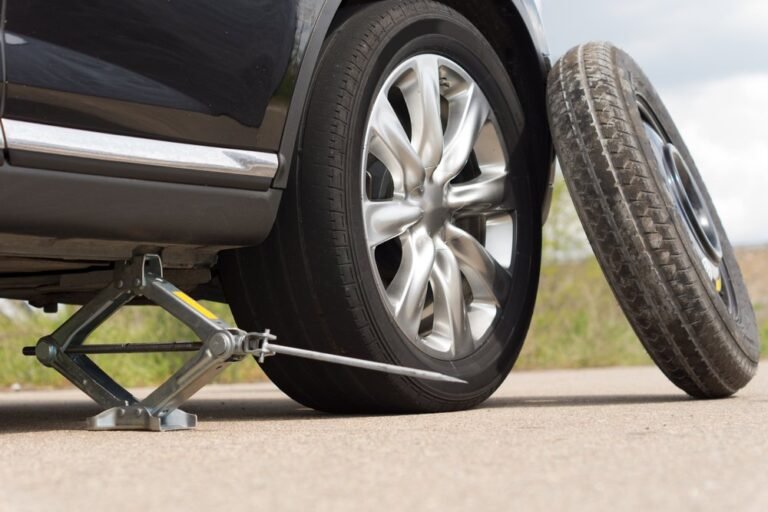
A spare can get you moving again only if it is in good condition and installed as the vehicle maker directs. Some cars have a full-size spare, while others have a compact spare, a repair kit, or no spare at all. Check your owner’s manual before you start; it will explain the equipment your vehicle has and any limits on a temporary spare.
A compact spare is for temporary use, not a normal replacement tire. Follow the speed and distance limits on the spare’s label and in the manual, then arrange to repair or replace the damaged tire.
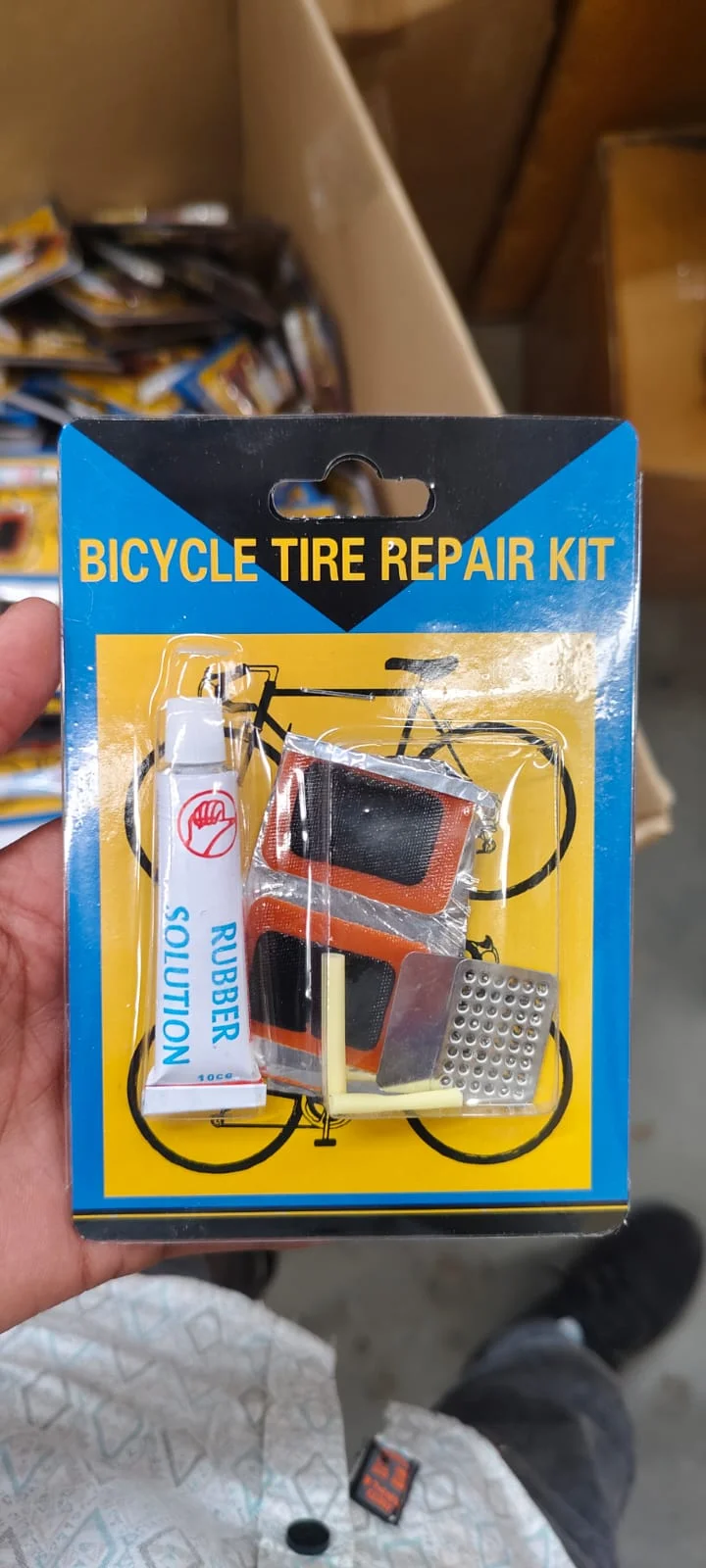
A sealant-and-inflator kit may work for some small tread punctures, but it is not suitable for every kind of damage. A sidewall cut, a large hole, or a tire that has come off the rim may need a spare or a tow. Read the kit instructions and your vehicle manual; if you are unsure whether the damage is covered, call for help rather than driving on a guess.
Common mistakes to avoid
- Driving slowly to a repair shop. Low speed does not remove the risk of tire, wheel, or handling damage.
- Braking hard or turning sharply. These moves can make a vehicle harder to control when a tire has failed.
- Changing a tire beside fast traffic. A spare is not worth stepping into a dangerous roadside area.
- Treating the TPMS light as a complete diagnosis. The warning signals a pressure problem; it does not show whether the tire can be safely driven on.
- Assuming a sealant kit or run-flat tire works in every case. Check the exact instructions for your vehicle and tire.
Frequently asked questions
Can I drive a short distance on a flat tire?
Avoid it. A short distance can still damage the tire or wheel and affect control. If you must move out of an active lane to reach a safer place, go only as far as needed and stop as soon as you can.
Can I drive on a tire that is low but not completely flat?
Do not assume it is safe. If the tire looks low or the TPMS warning comes on, slow down and stop somewhere safe to check it. Inflate it only to the pressure listed on the vehicle’s tire-information label or in the owner’s manual—not the maximum pressure printed on the tire sidewall. If it will not hold pressure or looks damaged, do not drive on it.
Should I pull over on the highway shoulder?
If you can safely reach the shoulder, it is generally safer than stopping in a live lane. But a shoulder may still be dangerous for a tire change. If traffic is close or the ground is unstable, stay clear of traffic and call roadside assistance.
Can I drive on a flat if my car has run-flat tires?
Only if the tire and vehicle instructions allow it and the tire’s condition is within those limits. Run-flat capability is limited and varies by tire and vehicle. Check the manual, and stop if the car feels unstable or the tire is visibly damaged.
What if my car has no spare tire?
Do not drive on the flat. Check whether the vehicle has a tire-repair kit and follow its instructions if the damage is eligible for repair. If not, call roadside assistance or a towing service.
Conclusion
A flat tire is a reason to stop, not to drive to the next exit or repair shop. Ease off the accelerator, move to a safe place if you can, and decide whether a safe tire change or roadside help is the better option. Use a run-flat tire, spare, or repair kit only within the instructions for your specific vehicle and equipment.