What Are the Odds of Getting a Flat Tire: A Driver Guide
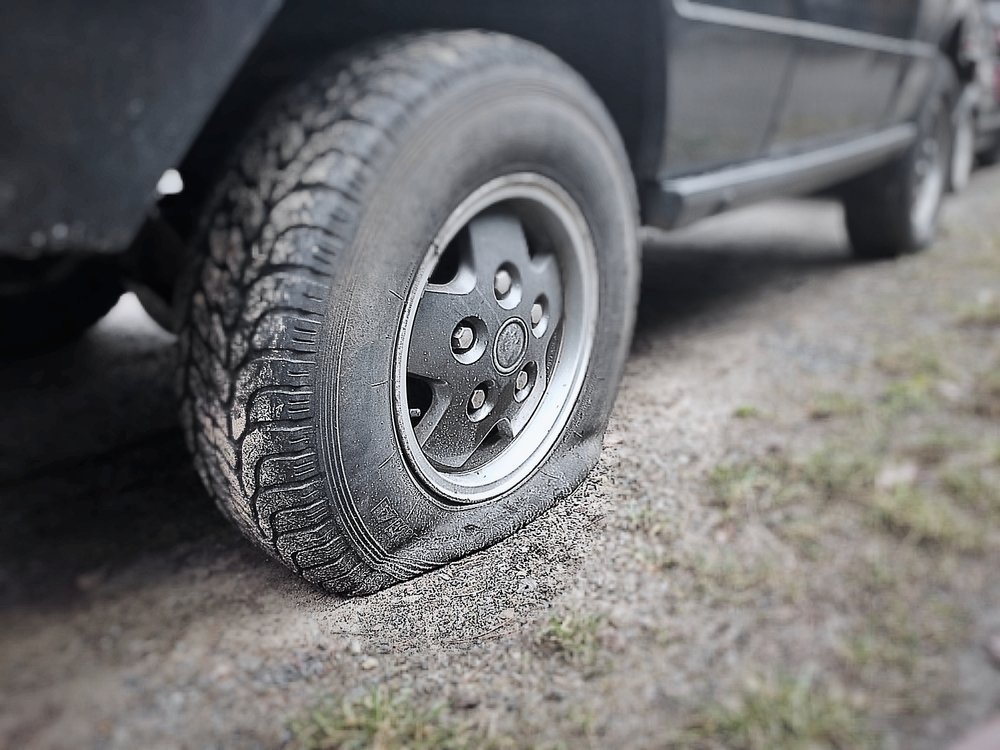
Most drivers experience a flat tire approximately once every 50,000 miles when using standard tires on paved roads. Your personal risk increases significantly if you frequently travel on gravel or through construction sites. You can monitor your tire health by regularly checking tread depth and inspecting for embedded debris.
Why you might get a flat tire
| Cause | How common | How to confirm it | Fix it yourself? |
|---|---|---|---|
| Punctures | Very common | Check for nails | Yes with care |
| Road debris | Common | Inspect the tread | Yes with care |
| Low pressure | Common | Use pressure gauge | Yes |
| Worn tread | Occasional | Check wear bars | No |
| Valve leaks | Rare | Use soapy water | Yes |
| Sidewall damage | Rare | Look for bulges | No |
Punctures from sharp objects
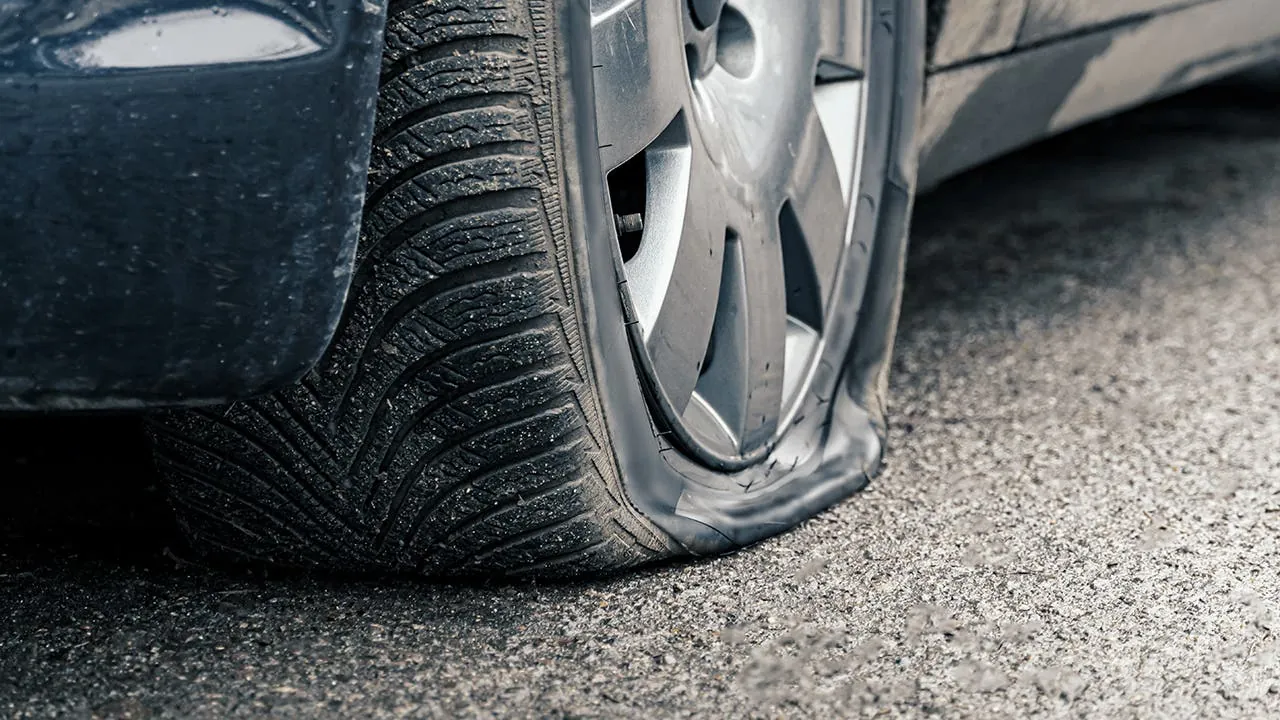
Punctures are the most frequent reason for a sudden loss of air. Small metal objects like nails or screws often get trapped in the tread while you drive. Once the object pierces the inner liner, the air escapes slowly or quickly depending on the size of the hole.
You can confirm a leak by spraying a mixture of soap and water on the valve stem or the tire bead; if bubbles form, you have found the leak. If you see bubbles forming, you have found the leak.
If the puncture is in the center of the tread, it’s usually safe to use a plug kit to seal the hole. Always remove the object with pliers before inserting the plug.
If the hole is larger than 1/4 inch, the tire is no longer safe to drive on and needs professional replacement. This work requires a tire plug kit and about 20 minutes of your time. If you don’t feel comfortable working near the wheel, take the car to a local tire shop.
Damage from road debris
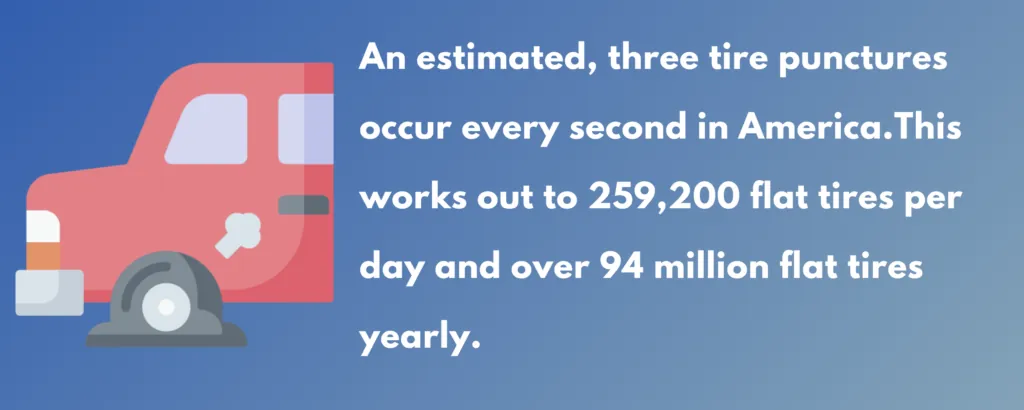
Debris like glass, jagged metal, or sharp rocks can slice through the rubber of your tire. This differs from a puncture because it often creates a larger cut rather than a single hole. You can tell this is the cause by looking for visible gashes or deep slices across the tread surface. This damage is usually impossible to repair because the structural integrity of the rubber is compromised.
If you find a cut that exposes the internal cords or belts, you must replace the tire immediately. Driving on a compromised tire is dangerous and can lead to a blowout at high speeds. The cost of this repair depends on the type of tire you own and the current prices at your local shop.
You should check the National Highway Traffic Safety Administration tire safety guidelines to understand the standards for safe tread depth and condition. If you notice the car pulling to one side, stop driving and inspect the tires for this type of damage.
Low inflation pressure
Under-inflated tires generate excessive heat, which weakens the internal structure of the rubber over time. This heat buildup is more likely to happen during long trips or when driving at highway speeds. You can confirm this by using a tire pressure gauge to check the psi against the number printed on your driver-side door jamb. If the number is lower than the recommended setting, your tire is at risk of failing.
Regularly checking your pressure keeps you safe and helps your tires last longer. If the pressure is low, use an air compressor to fill it to the recommended level. If you find the pressure drops again after a few days, there’s a slow leak that needs professional repair. This task takes about 5 minutes once you have a gauge. If you don’t have a pump, most gas stations offer air for a small fee.
Less common tire issues
Valve stem leaks occur when the internal rubber seal degrades. You can diagnose this by applying a small amount of soapy water over the valve opening; if bubbles form, the core is leaking. Tightening the core with a valve tool often resolves the issue, but if the leak persists, the stem must be replaced to prevent total pressure loss.
Sidewall bulges result from hitting curbs or potholes at speed. These indicate internal cord damage that compromises the tire’s structural integrity. Because this damage is hidden, a bulge is a clear signal for immediate replacement. Driving on a bulging tire risks a sudden blowout.
Bead leaks occur when the tire fails to seat against the rim. This is common on older wheels where salt or debris causes corrosion on the inner lip. If your tire loses pressure despite no visible punctures, have the shop clean the rim bead.
Manufacturing defects are rare. They typically manifest as persistent vibrations that remain even after professional balancing. If you notice a rhythmic wobble immediately after installing new tires, consult the manufacturer’s warranty department for a potential claim.
What a fix usually involves

Fixing a flat tire demands either a temporary patch or a full replacement of the unit. A simple plug repair is the least expensive option and requires only a basic repair kit from an auto parts store. This is a task that takes minimal effort if you have a jack and a lug wrench. If you need a professional to replace the tire, the cost depends on the brand and size of your specific vehicle’s wheels.
You should always verify the correct tire size in your owner’s manual before buying a replacement. Costs for professional mounting and balancing are generally lower than the price of the tire itself. If you’re unsure about the procedure, consult the documentation provided by your vehicle manufacturer. They provide the exact steps for changing a flat tire safely on the roadside.
Frequently asked questions
How long does a tire repair take?
A simple plug repair usually takes about 20 to 30 minutes when performed by an experienced person. If you’re using a roadside kit, allow for extra time to safely lift the vehicle. If you take the tire to a shop, the process might take an hour depending on their current workload.
Is it safe to drive on a temporary spare?
It’s safe to drive on a temporary spare for short distances, typically under 50 miles, if you keep your speed below 50 mph. These tires aren’t built for long-term use. You should head directly to a repair shop to have your primary tire fixed or replaced as soon as possible.
Why does my tire keep losing air?
A tire that loses air consistently often has a slow puncture or a leaking valve stem. You can identify the cause by checking the valve for bubbles or looking for a small nail in the tread. If you can’t find a clear source, a tire shop can submerge the wheel to find hidden leaks.
How often should I check my tire pressure?
You should check your tire pressure at least once a month to ensure it matches the manufacturer’s recommendation. This is the most effective way to prevent premature wear and failure. Always check the pressure when the tires are cold, as heat from driving can give you an inaccurate reading.
What happens if I drive on a flat tire?
Driving on a flat tire ruins the sidewall and the internal structure of the tire within a very short distance. This makes the tire impossible to repair, forcing you to buy a new one. It can also damage your wheel rim, which significantly increases the cost of the repair.
Does it matter if I replace only one tire?
Replacing tires in pairs on the same axle is essential to maintain vehicle handling and stability. When tires have uneven tread depths, your car may pull to one side on wet roads. Experts recommend this practice to ensure balanced performance and safety for all drivers.
Conclusion
While you can’t predict every road hazard, staying proactive keeps you safe behind the wheel. Don’t wait for a warning light to appear; make it a habit to check your air pressure every month. It’s a simple way to ensure you’re always ready for whatever the road throws your way.
Related guides