Are Tire Valve Stems Universal: Types And Fit Explained
For most cars and light trucks in the United States, tire valve stems are not universal. A replacement must fit the wheel’s valve hole and work with the tire’s pressure needs, stem design, and any tire-pressure monitoring system (TPMS). Some rubber stems fit many standard wheels, but that does not make every stem interchangeable.
Before buying a replacement, check the wheel, the old stem, and the vehicle’s TPMS setup. If you are unsure which type you have, a tire shop can identify the correct part and install it without damaging the tire or sensor.
Are tire valve stems universal?
No. Valve stems come in different types, sizes, materials, and pressure ratings. A stem that looks similar to yours may still be the wrong fit for the wheel or TPMS sensor.
A tire valve stem is the part that lets air enter and leave the tire. It also holds the valve core, which seals the opening when you are not adding or checking air. On some vehicles, the stem is part of, or attaches to, a TPMS sensor.
A replacement needs to match several things:
- Wheel-hole size: The stem must seal in the opening in the wheel.
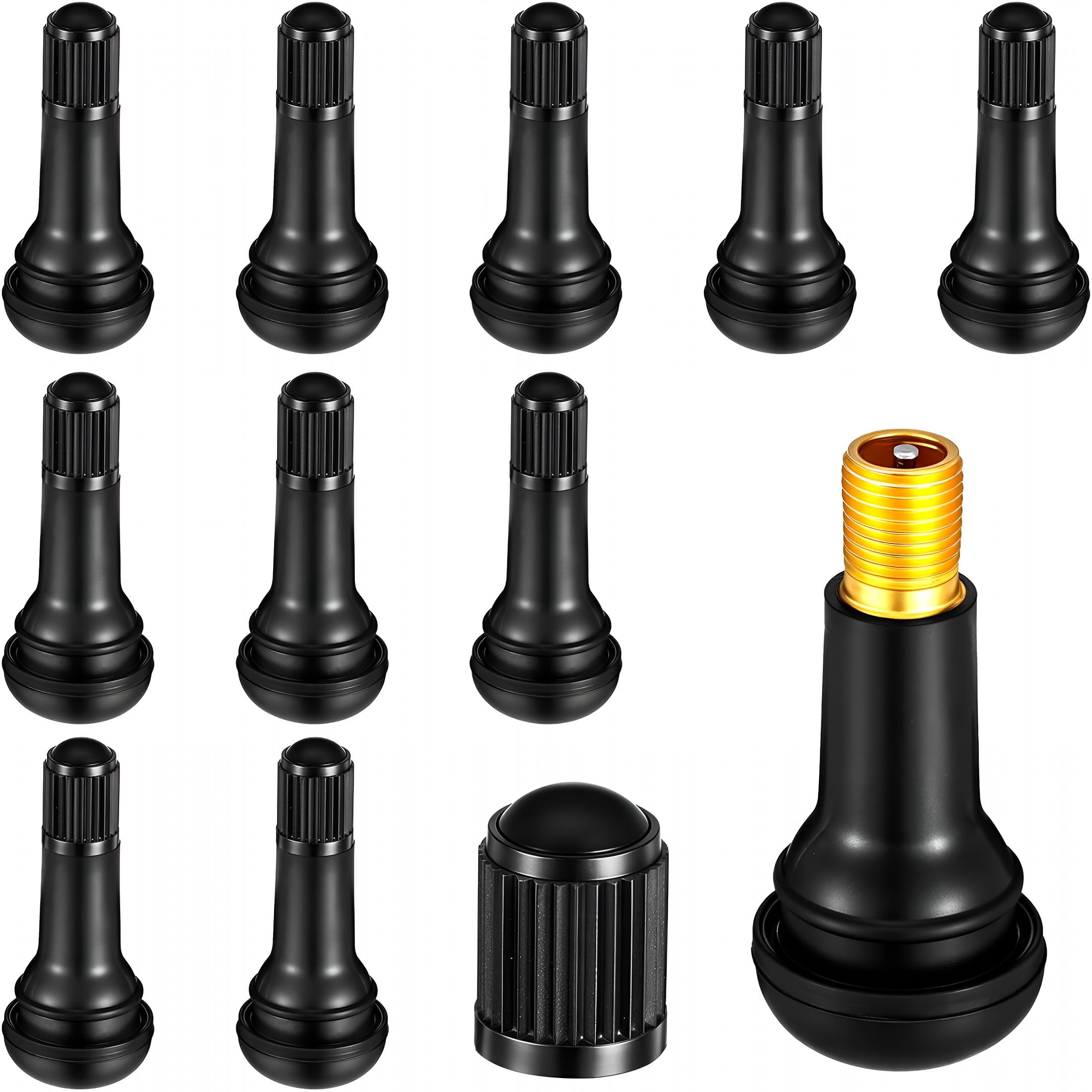
- Stem design: Common options include rubber snap-in stems and metal clamp-in stems.
- Pressure rating: The stem must be rated for the tire’s intended pressure.
- Wheel shape and thickness: These can affect how the stem mounts and seals.
- TPMS setup: A sensor or sensor-specific stem may require a matching part.
- Clearance: The stem must leave room for a tire inflator and avoid contact with brakes or other parts.
A common rubber stem may work on many passenger-car wheels, but only if its specifications match. Check the vehicle or wheel maker’s guidance, or ask a tire professional to confirm the fit.

Common tire valve stem types
The main distinction is how the stem mounts to the wheel and whether it works with a TPMS sensor. The table below summarizes common types; it does not replace a fit check for your specific wheel.
| Stem type | How it mounts | Common use | What to check |
|---|---|---|---|
| Rubber snap-in | Pushes into the wheel hole and seals with rubber | Many standard passenger-car wheels | Hole size, pressure rating, wheel fit |
| Metal clamp-in | Secured to the wheel with a nut and seal | Many TPMS-equipped wheels and some specialty uses | Sensor fit, seal, nut torque, wheel shape |
| TPMS-specific stem | Designed to fit or attach to a particular sensor | Vehicles with direct TPMS sensors at the wheel | Sensor brand and model, service parts |
| High-pressure stem | Built and rated for higher-pressure applications | Certain vehicle or tire setups | Exact pressure rating and wheel compatibility |
Rubber snap-in stems are common on cars and light trucks. They are simple in design, but rubber can age, crack, or become damaged. A snap-in stem still needs the correct size and rating.
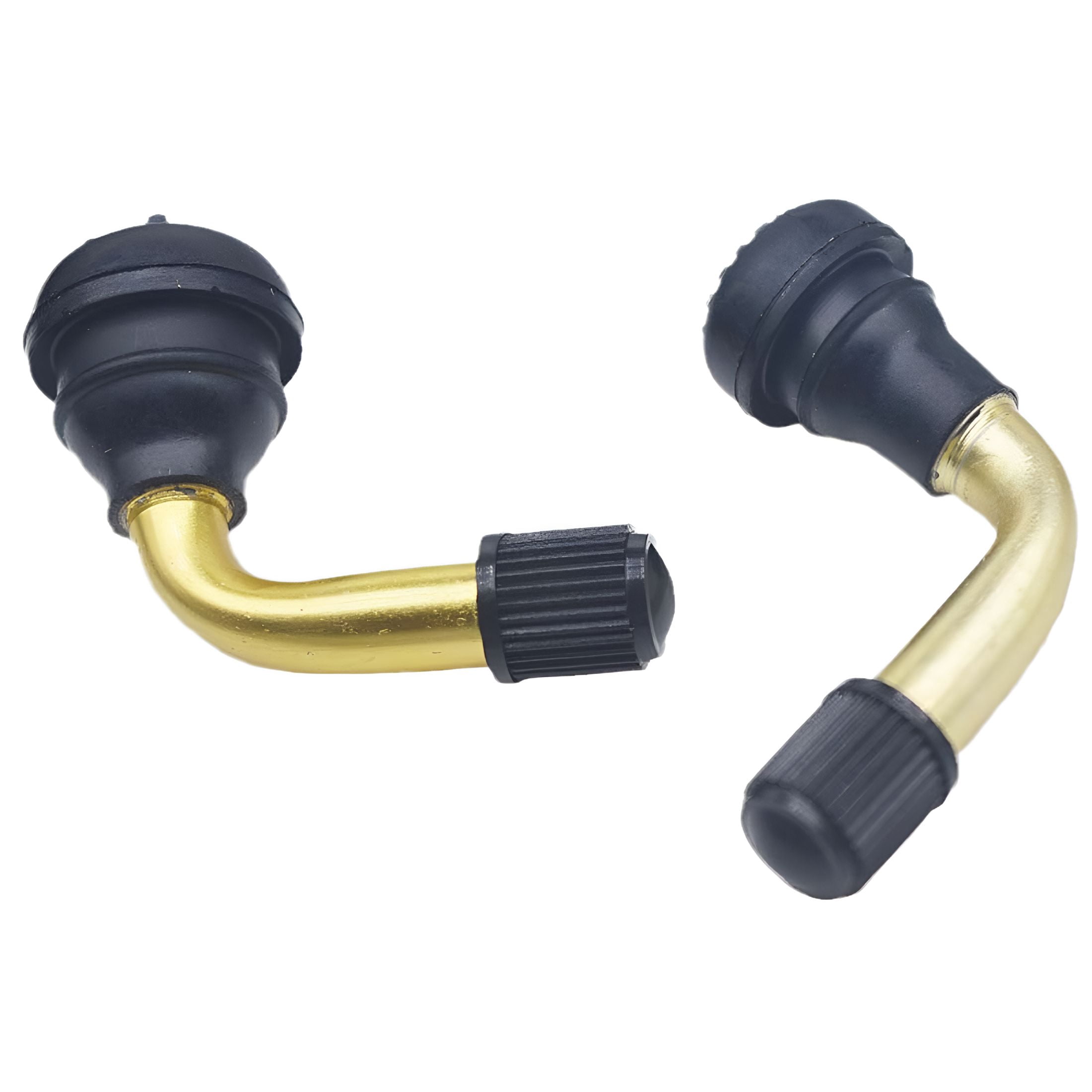
Metal clamp-in stems use a seal and retaining nut to secure the stem to the wheel. Many are used with direct TPMS sensors. The correct sensor fit and installation torque matter; a loose or over-tightened assembly can cause problems.
Some stems are called “TPMS stems,” but that label alone does not confirm compatibility. TPMS sensors and service parts vary, so match the replacement stem to the sensor, wheel, and vehicle.

How to check whether a replacement stem will fit
Check the wheel and TPMS details before you order a stem. Do not choose one only by appearance or by the vehicle’s make and model.
- Check the owner’s manual or ask a tire shop. The manual may describe TPMS requirements, but it may not list the exact stem part number.
- Look at the existing stem and sensor. Note whether the stem is rubber or metal and whether a TPMS sensor is attached inside the wheel. Do not remove the tire bead just to inspect it.
- Confirm the wheel-hole size. Common valve-hole sizes include about 0.453 inch (11.5 mm) and 0.625 inch (15.9 mm). These are examples, not a guarantee that either size fits your wheel.
- Check the stem’s pressure and application rating. Use a stem rated for the tire and vehicle setup. Do not assume all rubber stems share the same rating.
- Confirm TPMS compatibility. For a direct TPMS system, the stem, sensor, seal, and retaining hardware may need to match.
- Check clearance. The stem should be reachable for inflation and should not hit the brake, wheel cover, or another part as the wheel turns.
If the old stem is damaged or its markings cannot be read, have a tire shop identify the correct replacement. The wheel’s valve hole and the sensor model are more useful than a visual guess.
Does a TPMS sensor need a special valve stem?
Sometimes. A direct TPMS sensor sits inside the wheel and measures tire pressure. On many systems, the sensor connects to the valve stem or forms part of the valve assembly. The replacement must fit that sensor and wheel.
A vehicle’s TPMS design can vary by year, model, trim, and sensor type. Some systems use a sensor attached to a clamp-in stem; others use a different setup. A stem that fits the wheel may still be wrong for the sensor.
When a tire shop services a TPMS-equipped wheel, it may also check or replace service parts such as the stem seal, nut, or valve core. The right parts depend on the sensor. Ask the shop to confirm that the replacement is compatible with the existing sensor, not just that it fits the wheel opening.
The U.S. TPMS rule for covered passenger vehicles is set out in Federal Motor Vehicle Safety Standard No. 138. That rule describes system performance requirements; it does not mean every vehicle uses the same sensor or stem. Read FMVSS No. 138.

When should a tire valve stem be replaced?
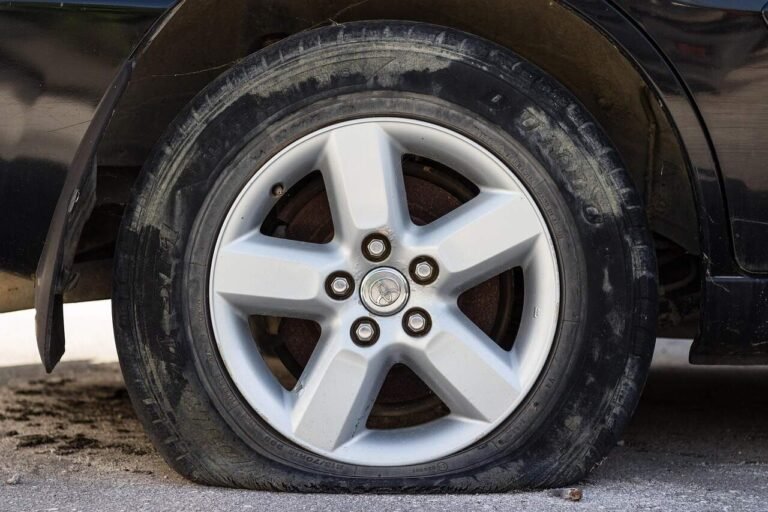
Replace a stem if it leaks, cracks, bends, or no longer seals correctly. A stem can also be damaged during tire service, so it should be checked whenever a tire is removed from the wheel.
Signs of a possible stem leak include:
- Air loss that continues after you check the tire and wheel for other leaks
- Cracks or splits in a rubber stem
- A bent, loose, or visibly damaged metal stem
- Bubbles at the stem when a tire professional tests for leaks
A slow leak can have more than one cause. The tire, bead seal, wheel, valve core, or stem may be at fault. A shop can locate the leak rather than replacing parts by guesswork.
Do not ignore a tire that is losing pressure. Driving on an underinflated tire can damage it and affect handling. Check pressure with a gauge and use the vehicle maker’s recommended cold-tire pressure, often shown on the driver-side door label. If the tire loses air quickly or looks very low, do not drive on it; use the spare if it is safe to do so, or arrange roadside help.

Can you replace a tire valve stem yourself?
A full stem replacement usually requires the tire bead to be separated from the wheel. That means the tire must be partly or fully removed from the rim, and a TPMS sensor can be damaged if the work is done incorrectly.
For most drivers, having a tire shop replace the stem is the practical option. The shop can check the wheel, select the right stem or TPMS service parts, install them, and test for leaks.
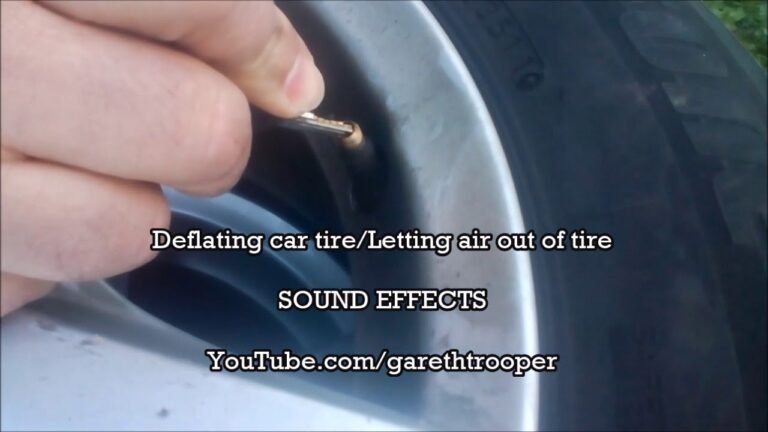
Replacing only a valve core is a different task, but it still requires the correct core and tool. A core can be under air pressure, so removal may release air quickly. If you do not know the valve type or cannot control the escaping air, have a professional handle it.
After service, make sure the tire is inflated to the vehicle maker’s recommended pressure and that no warning light or leak remains. If the TPMS warning stays on, the sensor may need service or the system may need the procedure specified for that vehicle.

Common mistakes to avoid
- Assuming all stems are the same size: Wheel-hole dimensions vary.
- Buying by appearance alone: Two similar stems may have different ratings or mounting styles.
- Ignoring the TPMS sensor: The wrong stem or service kit may not fit the sensor.
- Reusing damaged rubber: A cracked or worn stem can leak even if the tire is sound.
- Over-tightening metal hardware: Clamp-in parts need the maker’s specified installation torque.
- Using pressure as the only compatibility test: A suitable pressure rating does not prove that the stem fits the wheel or sensor.
- Treating the valve cap as the seal: The valve core provides the air seal; the cap helps keep dirt and moisture out. A cap is not a fix for a leaking stem or core.

FAQs
Are tire valve caps universal?
Many caps fit common passenger-car valve stems, but not every cap works with every valve or TPMS setup. Use a cap that fits securely and does not interfere with a sensor. A cap will not stop a faulty valve core from leaking.
Are tire valve cores universal?
Many passenger-car Schrader valve cores use a common design, but cores can differ by application. Use the correct type for the stem, especially on high-pressure, specialty, or sensor-equipped setups.
Can I use a rubber stem instead of a metal TPMS stem?
Not automatically. The replacement must fit the wheel, meet the required pressure rating, and work with the TPMS sensor. Check the sensor and vehicle specifications before changing stem types.
Do new tires need new valve stems?
A stem should be inspected during tire service and replaced if it is worn, damaged, or required by the vehicle or sensor maker. TPMS assemblies may need specific service parts. Ask the tire shop what it will replace and why.
How do I know if the valve stem is leaking?
A tire professional can test the stem and valve core for leaks. If you use soapy water as a basic check, bubbles that keep forming at the stem may point to a leak. This does not rule out a leak elsewhere on the tire or wheel.
Conclusion
Tire valve stems are not universally interchangeable. The right replacement depends on the wheel-hole size, stem type, pressure rating, and any TPMS sensor. Check those details before buying, and have a tire shop handle the replacement if the tire must be removed or the sensor is involved.