Where Is The Spare Tire On A Dodge Caravan: Find It Fast
Introduction
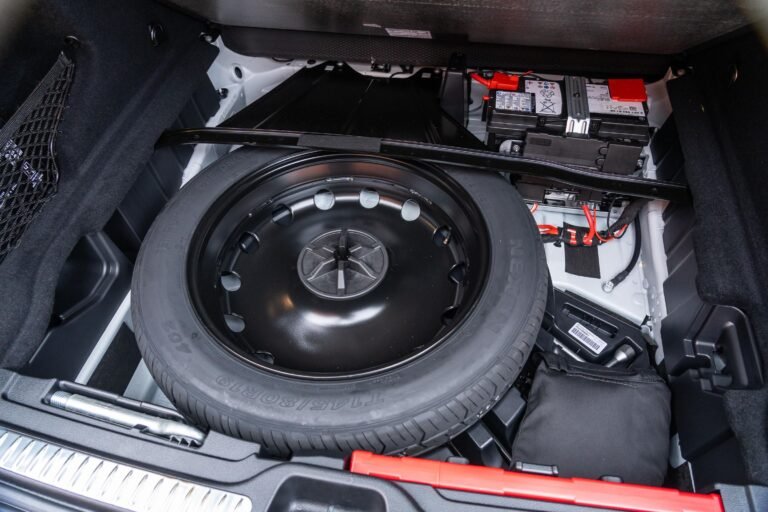
In the United States, most Dodge Caravan and Dodge Grand Caravan models with a spare tire store it under the rear of the van. You usually lower it with a winch, using tools kept inside the vehicle. The exact access point and tool location can vary by model year and trim, and some vans have a tire inflator kit instead of a spare.

Where to look on your Caravan
On many Dodge Caravan and Grand Caravan models, the spare sits beneath the rear cargo area, held in place by a cable or winch. It may not be visible until you look under the back of the van.
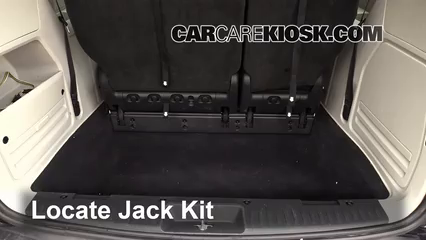
The jack and lug wrench are often stored inside a rear side compartment or behind an interior access panel. The winch access point is usually reached from inside the cargo area. Look for a small plug or opening in the floor, then check your owner’s manual before turning the winch.
Do not assume every Caravan has a spare tire. Some versions came with a tire inflator and sealant kit instead. If you do not find a spare under the van, check the cargo compartments for a compressor or sealant kit.
| What you find | What it likely means |
|---|---|
| A tire under the rear of the van | The tire is held by an underbody winch. |
| A jack and wrench in a rear compartment | These tools may operate the winch and help change a wheel. |
| A compressor and sealant kit | Your van may not have a spare tire. |
| No spare or tire kit in the expected spots | Check the manual for your model year, or ask a Dodge dealer to confirm the original equipment. |
Dodge Caravan model details changed over time. In the United States, the standard Caravan name was replaced by the Grand Caravan for later model years. Use the manual for your exact year and trim to confirm the storage spot and the steps for lowering the tire. The Mopar owner’s manual lookup is a good place to start.

How to lower the spare tire
Before you lower the tire, park on firm, level ground, away from traffic. Turn on the hazard lights, shift into Park, set the parking brake, and shut off the engine. If you are stopped near moving traffic or on an unsafe surface, stay clear of the road and call for roadside help.
- Find the jack and tire tools. Check the rear storage compartment or access panel. Your owner’s manual shows the correct location for your van.
- Find the winch access point. Look in the rear cargo floor for a plug or opening. Remove the plug only if your manual identifies it as the spare-tire access.
- Fit the tool to the winch. Connect the wrench or handle extensions as shown in the manual. Make sure the tool is seated before you turn it.
- Lower the tire slowly. On many models, turning the tool counterclockwise lowers the spare. Stop when the tire reaches the ground and the cable has enough slack to release the tire. Follow your manual if its directions differ.
- Free the tire from the cable. Pull the tire out from under the van only after it is fully lowered. Remove the cable retainer from the wheel’s center opening.
Never crawl under a van held up only by a jack. You should not need to go beneath the vehicle to lower the spare. If the cable is jammed, the tool will not engage, or the tire will not come free, stop rather than forcing it.

What to check before driving on the spare
Check the spare’s condition and pressure before fitting it. Use the pressure listed on the tire label or in the owner’s manual. The pressure printed on a tire’s sidewall is not necessarily the vehicle’s recommended pressure.
Some vans use a compact temporary spare. It may have limits on speed, distance, and where it can be fitted. Follow the spare’s label and the manual; do not treat a temporary spare as a full-size replacement. If the spare is damaged, flat, or does not fit the wheel position, call for help.
After installing the spare, tighten the lug nuts in the pattern and to the torque specified in the manual. If you do not have the right tools or a safe place to change the tire, contact roadside assistance. A loose wheel or an improperly supported vehicle can cause serious injury or damage.

Key takeaways
- On many Dodge Caravan and Grand Caravan models, the spare is stored beneath the rear of the van.
- The jack and winch tools are usually inside a rear compartment, while the winch is reached through an access point in the cargo floor.
- Some vans have a tire inflator kit instead of a spare.
- Confirm the process for your exact model year in the owner’s manual.
- Do not get under a vehicle supported only by a jack.
Frequently asked questions
Does every Dodge Caravan have a spare tire?
No. Some Caravan configurations have a tire inflator and sealant kit rather than a spare. Check beneath the rear of the van and in the cargo compartments, then confirm the equipment list in the owner’s manual.
Where are the jack and wrench stored?
The tools are commonly kept in a rear storage compartment or behind an interior access panel. The location varies, so use the diagram in the manual for your model year.
Can I drive normally with the spare tire?
Not necessarily. A compact spare may have limits on speed, distance, and use. Read the label on the spare and follow the vehicle manual. Replace it with a properly sized tire as soon as practical.
What if the spare will not lower?
Make sure you have the correct tools and have fitted them fully into the winch access point. Do not force a stuck cable or climb under the van. If the mechanism remains jammed, call roadside assistance or a repair shop.
Where can I confirm the spare-tire location for my model year?
Check the Dodge owner’s manual for the vehicle’s exact year and trim. If you do not have the manual, use the Mopar owner’s manual lookup or contact a Dodge dealer with your vehicle details.
Conclusion
For many U.S. Dodge Caravan and Grand Caravan models, the spare tire is under the rear of the van and lowers through a winch. Check your cargo-area tools and manual first, since the setup varies and some vans do not include a spare.