Why Does Mud Turn Tires Blue: The Chemical Reaction Explained
The primary reason why mud turns tires blue is the chemical reaction between acidic soil minerals and the anti-ozonants used in tire rubber. These additives, which keep the sidewall flexible and prevent cracks, often contain carbon black and specific waxes that react with moisture and minerals like iron or copper found in wet earth. This oxidation creates a temporary blue or brownish haze on the surface of the rubber compound.
Why mud makes tires turn blue
| Part or input | What it does | What you notice when it goes wrong |
|---|---|---|
| Anti-ozonant additives | Protects rubber from air | Turns blue or brown when exposed |
| Tire sidewall rubber | Provides structural strength | Shows surface stains after rain |
| Road mud and dirt | Coats the tire surface | Hides the true rubber color |
| Iron in soil | Reacts with rubber chemicals | Causes rust-like or blue tint |
| Cleaning agents | Removes road grime | Leaves spots if not rinsed well |
Tire browning, or “blooming,” occurs when anti-ozonant waxes migrate to the surface to shield the rubber from ozone damage. If the tire sits stationary for long periods, these waxes accumulate unevenly rather than wearing away through friction.
You can distinguish blooming from road grime by touch. If the sidewall feels tacky or waxy, the discoloration is internal and harmless. If the surface feels gritty or dry, the issue is likely external debris.
A common mistake is using harsh, acid-based wheel cleaners on the sidewall. These chemicals strip the protective waxes, leading to premature cracking. If you see streaks after washing, rinse the area immediately with high-pressure water. If the discoloration persists, use a dedicated rubber cleaner rather than a degreaser. For tires with heavy iron staining from red clay, a specialized iron-remover spray is more effective than standard soap.
Steps for identifying tire discoloration
-
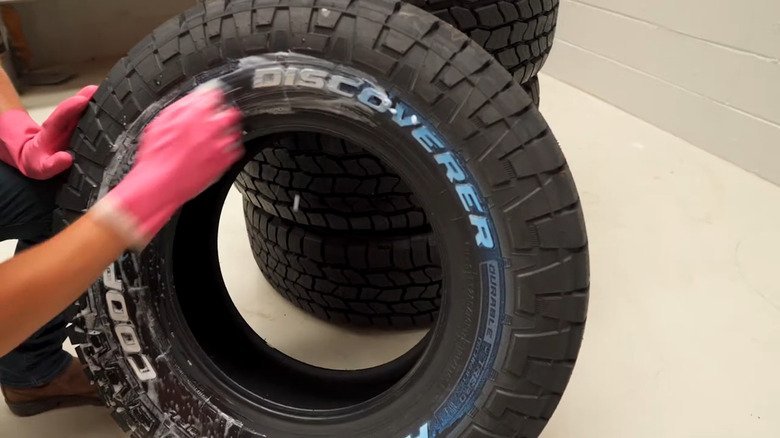
Spray the tire sidewall thoroughly with clean water to remove loose mud and surface debris, which usually takes about 30 seconds of steady rinsing.
-
Observe the rubber color after the tire dries completely; if the blue tint remains, it’s likely a chemical reaction rather than just wet dirt. This “blooming” occurs when antiozonants migrate to the surface to protect the rubber.
-
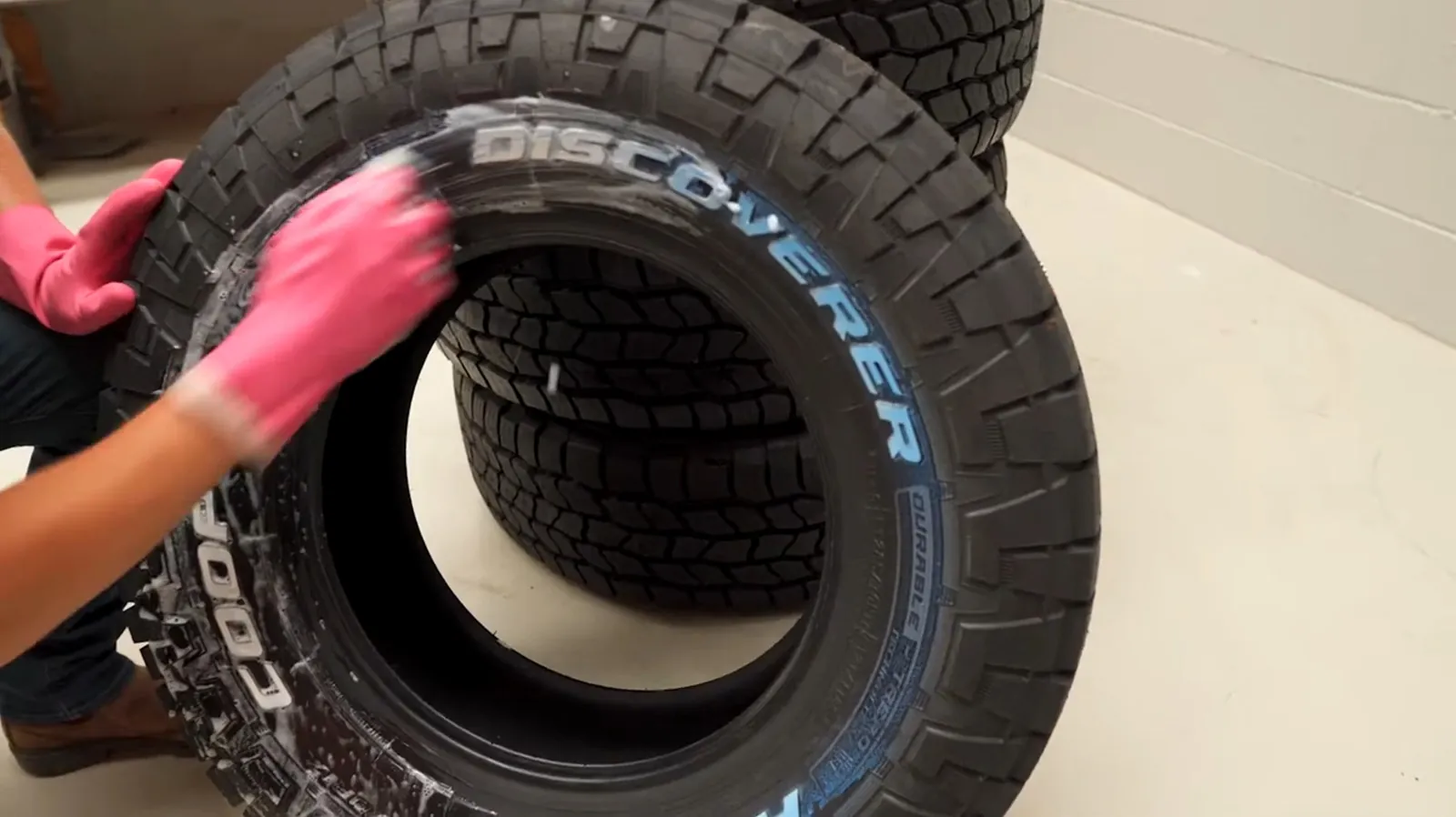
Apply a mild, pH-balanced soap and a soft-bristle brush to scrub the sidewall in a circular motion for about 2 minutes per tire. Avoid harsh petroleum-based cleaners, as these strip the essential waxes and accelerate dry rot.
-
Rinse the soap away with a high-pressure garden hose nozzle until no suds remain, ensuring you remove all chemical residue from the rubber surface. If the water beads up, you still have soap film left.
-
Check the sidewalls again once the rubber is dry; true chemical staining often fades significantly after a proper deep cleaning session. If the brown or blue hue persists, it’s likely permanent oxidation.
-
Consult your tire manufacturer’s warranty and safety documentation if you notice deep cracks, as this indicates the rubber is losing its integrity. If a fingernail catches in a crack, the tire is unsafe for highway speeds.
Why mud affects rubber appearance
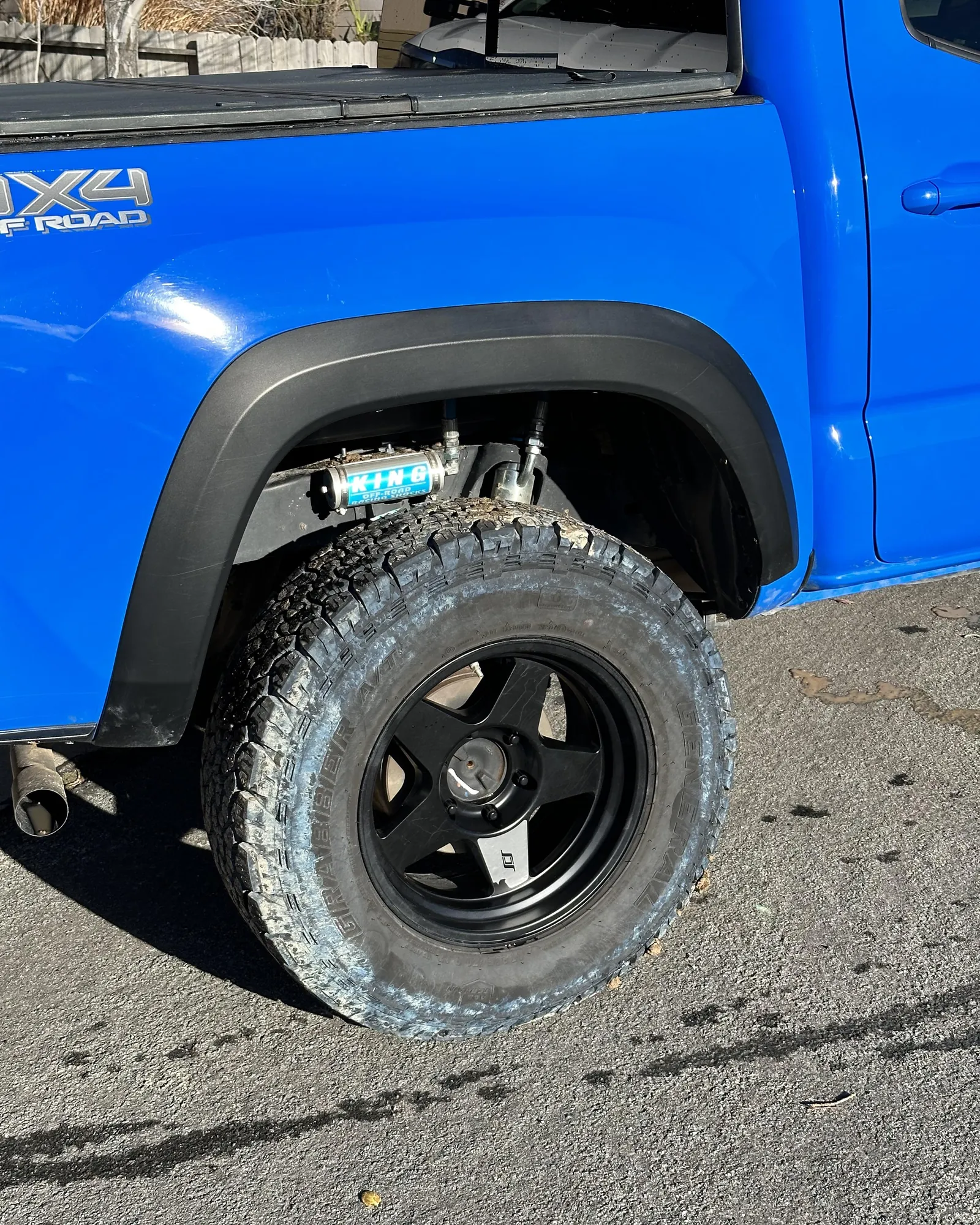
The discoloration you see is rarely a sign of structural failure but rather a cosmetic interaction between the road and the chemical makeup of your tire. Manufacturers include anti-ozonants and anti-oxidants in the rubber mix to prevent the material from breaking down when exposed to sunlight and oxygen. When these chemicals migrate to the surface of the tire, they can react with minerals or acidic compounds present in the mud you drive through.
If you notice a blue tint after driving through specific muddy areas, you’re seeing a process known as blooming. This happens when the protective waxes and oils reach the surface of the tire to shield the rubber. When these additives mix with wet, mineral-rich soil, they can oxidize and shift in color. This is more common on newer tires where the protective compounds are still migrating to the surface in high concentrations.
Most drivers mistake this for a defect, but it’s actually a sign that your tires are actively protecting themselves from environmental damage. If the color doesn’t wash off with soap and water, it might be permanent surface staining. However, this doesn’t affect the safety or the performance of the tire rubber itself.
Controls and design limits
Things you can change
- Frequency of cleaning your tires after driving through muddy or clay-heavy areas.
- The type of mild soap used, ensuring it’s safe for automotive rubber.
- How thoroughly you rinse the sidewalls to prevent soap residue buildup.
- Your storage habits, such as keeping tires out of direct sunlight when parked long-term.
Fixed design limits
- The chemical formula of the rubber compound, which is set at the factory.
- The rate at which anti-ozonants naturally migrate to the tire surface.
- The mineral content of the soil in your local area.
If you find deep cracks or chunks missing from the sidewall, don’t attempt to repair these yourself. These issues require a professional inspection by a certified tire technician to ensure your vehicle remains safe for the road.
Improving tire appearance

Maintaining a clean look on your tires requires consistent effort and the right approach to cleaning. Since the blue tint is a surface reaction, you should wash your tires every time you wash your car. Use a soft brush to reach into the tread and along the sidewall, which prevents road salts and minerals from sitting on the rubber for extended periods.
Avoid using harsh chemicals or industrial degreasers. These products can strip away the essential oils that keep the rubber flexible, which leads to premature cracking. If you use a tire dressing, apply a thin, even coat only after the tire is completely clean and dry. Too much dressing can actually attract more dust and mud, making the discoloration worse over time.
If you live in an area with highly acidic soil or heavy clay, you’ll notice this blue tint more often. The frequency of the discoloration depends entirely on the soil composition of your local roads. Simply accept that this is a temporary cosmetic side effect of your tires doing their job.
Frequently asked questions
Can I use household bleach to remove the blue tint?
No, you should never use bleach or harsh chemicals on your tires. Bleach can dry out the rubber and accelerate the aging process, which leads to cracks. Use only mild soap and water to safely clean your tires without damaging the protective chemical compounds that keep your tires flexible.
Is it safe to drive with blue-tinted tires?
Yes, it’s perfectly safe to drive on tires that show a blue tint. This color change is purely cosmetic and happens because of the protective anti-ozonants in the rubber. It doesn’t mean the tire is weak or failing, so you don’t need to replace them based on color alone.
How long does the blue color stay on the tire?
The blue tint usually lasts until you thoroughly clean the sidewall, which takes about 5 minutes of scrubbing. Because it’s a surface reaction, it won’t disappear on its own while the tire is dirty. Regular washing prevents the buildup that causes the blue haze to become more visible.
Does the blue color mean my tires are old?
No, the blue color is actually more common on newer tires. New tires have a higher concentration of anti-ozonants that are still migrating to the surface to protect the rubber. As the tire ages and the surface wears down, you’ll likely see less of this blue discoloration over the years.
What happens if the blue tint doesn’t wash off?
If the blue tint remains after a thorough cleaning, it’s likely a permanent stain on the surface of the rubber. This doesn’t impact the performance or safety of the tire. You can continue to use the tires normally as long as the sidewall is free from cracks or cuts.
Does the soil type change how blue the tires get?
Yes, the mineral content of the soil determines the intensity of the blue color. Soil with high levels of iron or copper reacts more strongly with the rubber additives. If you drive through different regions, you may notice the discoloration varies based on the local dirt and mud composition.
Conclusion
Don’t worry if your tires look a bit discolored after a rainy drive; it’s just a harmless surface reaction that won’t damage your wheels. You can easily restore that deep, dark finish with a simple scrub using mild soap and water. It’s a quick fix that’ll keep your ride looking sharp.
Related guides