
Does Valvoline Do Tire Rotations? The Official Answer
Valvoline service centers don’t offer tire rotations as part of their standard maintenance services. While they specialize in oil changes and fluid flushes, they generally lack the heavy-duty lifts and specialized equipment needed to perform a proper tire rotation. If you’re looking for a place that performs this service, you should visit a dedicated tire shop or a full-service mechanic instead.
Most Valvoline Instant Oil Change locations focus on “stay-in-your-car” services that take about 15 to 20 minutes. Their business model is built around speed and convenience for fluid-based maintenance rather than chassis or suspension work. Because tire rotations aren’t part of their service menu, they don’t perform this task.
The main factor deciding whether a shop can help you is the availability of a frame-contact lift. A mistake many people make is assuming that any shop with a “service center” sign performs all basic maintenance tasks. This assumption often leads to wasted time when a driver arrives at a quick-lube shop only to find out they don’t have the tools or the technicians required for tire services.
Does Valvoline Perform Tire Rotations
- Locate a full-service auto repair shop or a specialized tire retailer in your area that lists suspension and wheel services.
- Call ahead to confirm they perform tire rotations and ask if you need an appointment or if they accept walk-ins.
- Arrive at the shop with your vehicle’s service manual, as this document contains the specific rotation pattern recommended by the manufacturer for your tire type.
- Request a tire pressure check and a balance test alongside the rotation to ensure even wear across all four tires.
- Verify the technician has tightened your lug nuts to the manufacturer’s specified torque settings before you drive away. Tip: If you feel a vibration in the steering wheel after the service, return to the shop immediately to have the wheel balance rechecked.
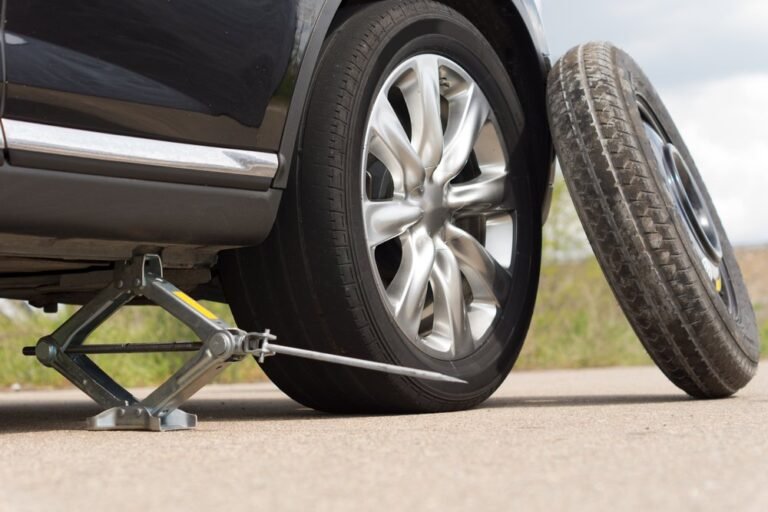
- Keep your service receipt as proof of maintenance, which is often required to keep your tire tread-wear warranty valid. Tip: Never attempt to rotate tires at home using a standard floor jack unless you have adequate jack stands to support the vehicle’s full weight, as relying on a jack alone is a major safety hazard.
Time Requirements for Tire Services
The time needed for a rotation depends on the shop’s current workload and whether you need extra services like balancing.
| Situation | How long | What changes it | What to watch for |
|---|---|---|---|
| Simple rotation | 20–30 mins | Shop traffic | Wait times |
| Rotation + balancing | 45–60 mins | Number of techs | Equipment availability |
| Appointment only | 30–45 mins | Staff scheduling | Punctuality |
Most shops prioritize walk-ins based on the order of arrival. If you arrive during a Saturday morning rush, expect your wait to double regardless of the service type.
If a simple rotation takes longer than one hour, ask the service advisor if they have encountered an issue with your wheel studs or if the vehicle requires a specific lift procedure.
A common mistake is assuming an appointment guarantees immediate service. If the shop is understaffed, your slot may simply be a place in a queue rather than a reserved bay. If you’re on a strict schedule, always ask if the technician is already waiting for your car before you hand over your keys.
Signs Your Tires Need Attention

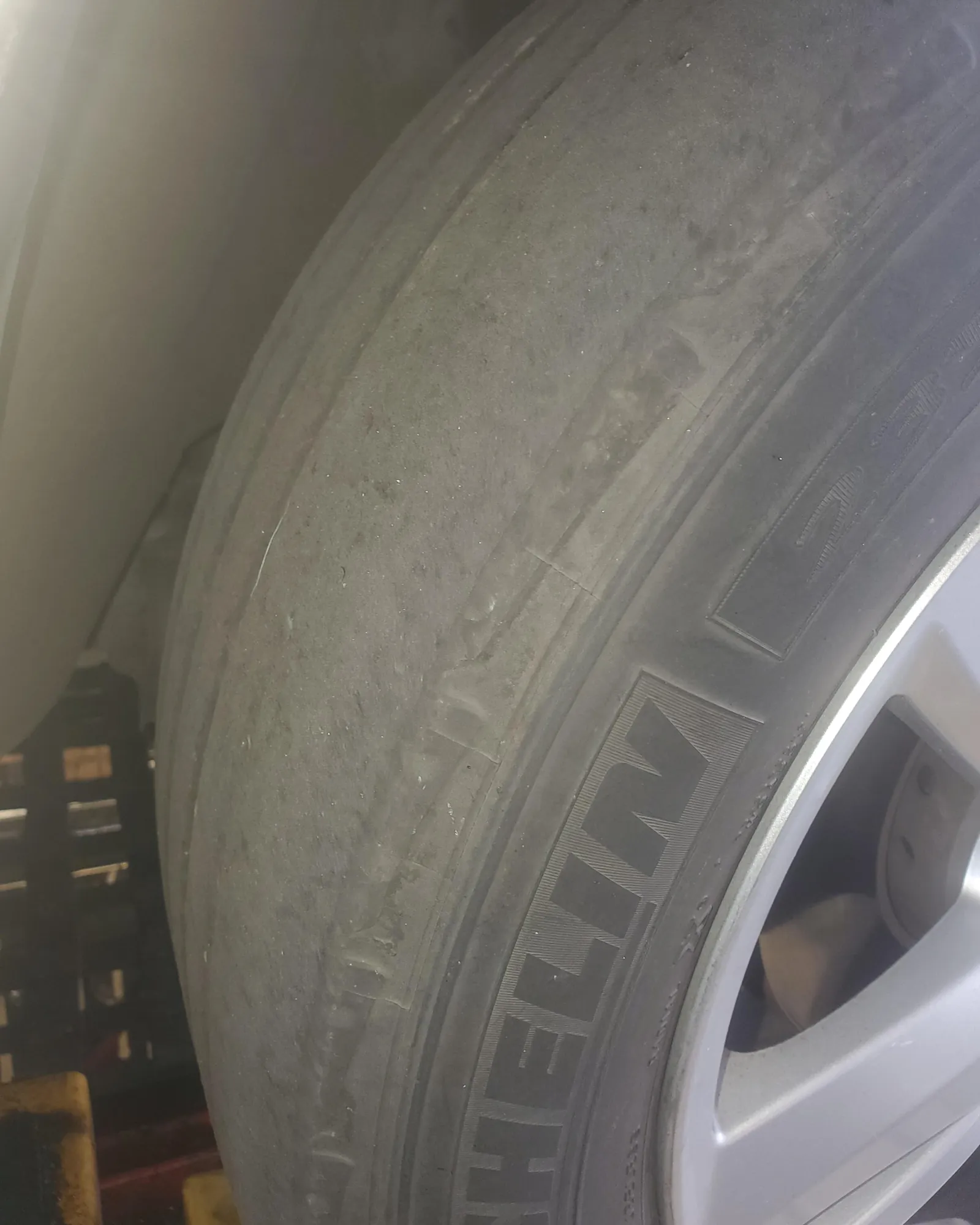
You should check your tires regularly for signs of uneven wear, which is the primary indicator that a rotation is overdue. Run your hand across the tread of each tire; if you feel “cupping” or sharp edges on one side but not the other, the tires are wearing unevenly. The National Highway Traffic Safety Administration provides clear guidance on identifying tread wear and maintaining proper inflation levels for your safety.
You can also use a tread depth gauge to measure the depth in different spots across the tire. If the difference in depth between the inner and outer tread is more than 2/32 of an inch, your car is likely out of alignment or due for a rotation.
Many drivers mistakenly wait for a vibration in the steering wheel before inspecting their tires. By then, the damage is often irreversible. If the wear is severe, a rotation won’t fix the problem, and you may need a professional alignment. Use this rule: if the tread depth varies across a single tire, seek an alignment. If the tread is even but thin, simply rotate them to extend their life.
Mistakes That Ruin Tire Maintenance
Photo: Gustavo Fring on Pexels
-
Ignoring the rotation interval: Failing to rotate tires every 5,000 to 8,000 miles leads to permanent, uneven tread wear that significantly shortens the lifespan of your set. Follow the specific mileage interval stated in your owner’s manual rather than waiting for obvious signs of wear to appear. If your tires show scalloping on the inner edges, you have already waited too long; this indicates a suspension issue that rotation alone can’t fix.
-
Skipping the torque check: Using an impact wrench without verifying the final torque settings can cause lug nuts to be over-tightened, which may snap the wheel studs or warp the brake rotors. Always insist that the technician uses a calibrated torque wrench to finish the job according to the manufacturer’s specifications. A common error is assuming the “click” of an impact gun is sufficient. It’s not. Overtightening by even 20 foot-pounds can compromise the integrity of your wheel studs over time.
-
Mixing tire types: Putting different tread patterns or sizes on the same axle creates handling instability and can damage your vehicle’s differential or transmission. Ensure all four tires match in size, construction, and, ideally, tread pattern to maintain consistent grip. If you must replace just two, place the new tires on the rear axle to prevent hydroplaning in wet conditions.
Frequently asked questions
How often should I rotate my tires?
Most manufacturers recommend a tire rotation every 5,000 to 8,000 miles to ensure even tread wear. If you drive on rough roads or carry heavy loads frequently, you may need to check the wear patterns more often. Always check your specific vehicle owner’s manual, as some high-performance or all-wheel-drive vehicles require more frequent rotations to protect the drivetrain components from unnecessary stress.
Can I rotate tires myself?
Yes, you can rotate your own tires if you have the right equipment, including a reliable floor jack and four sturdy jack stands. Never work on a car supported only by a jack, as this is extremely dangerous. You’ll also need a torque wrench to ensure the lug nuts are tightened to the exact foot-pounds required by your vehicle’s manual.
What happens if I don’t rotate my tires?
If you don’t rotate your tires, the front tires will wear out much faster than the rear ones, leading to premature replacement. This uneven wear pattern can cause poor handling, reduced traction in wet weather, and a noisy ride. Over time, failing to rotate your tires can also void the tread-life warranty provided by the tire manufacturer.
Does a tire rotation include balancing?
No, a standard tire rotation doesn’t automatically include balancing. Rotation is simply moving the tires to different positions on the vehicle to spread the wear, while balancing involves adding small weights to the rim to stop vibrations. Many shops offer a combined service, but you should always confirm if balancing is included in the quoted price before you authorize the work.
Is it safe to drive with uneven tire wear?
No, driving with significantly uneven tire wear reduces your vehicle’s ability to grip the road, especially during rain or snow. If the tread depth on any tire falls below 2/32 of an inch, the tire is considered legally bald and must be replaced immediately. Uneven wear is a warning sign that your car needs a rotation, an alignment, or a suspension check to prevent a blowout.
How much does a tire rotation cost?
A typical tire rotation is inexpensive relative to the cost of other automotive maintenance tasks. Many tire retailers offer free rotations for the life of the tires if you purchased the set from them. If you’re paying for the service, ask the shop if they bundle the rotation with other services like an oil change or a brake inspection to save money.
Conclusion
It’s a good idea to check your owner’s manual to see how often your car needs this service. You shouldn’t wait too long, as regular care keeps your ride smooth and safe. Just call your local mechanic today to schedule an appointment; they’ll be happy to help you get back on the road.
Related guides