Do Run Flat Tires Need To Be Rotated: What To Know
Yes. Run-flat tires should be rotated when the vehicle maker allows it and the tire and wheel setup permits it. Their reinforced construction does not remove the need for rotation. The owner’s manual, tire size, tread direction, and wheel setup determine whether and how they can be moved.
For U.S. drivers, the safest starting point is the vehicle’s maintenance schedule—not a rule based only on the fact that the tires are run-flat. Some cars use different tire sizes front and rear, which can prevent a normal rotation.
Why rotate run-flat tires?
Rotation can help tires wear more evenly. Tires in different positions may wear at different rates because of steering, braking, weight distribution, and drivetrain forces. Moving them to permitted positions can help balance that wear and may extend tire life.
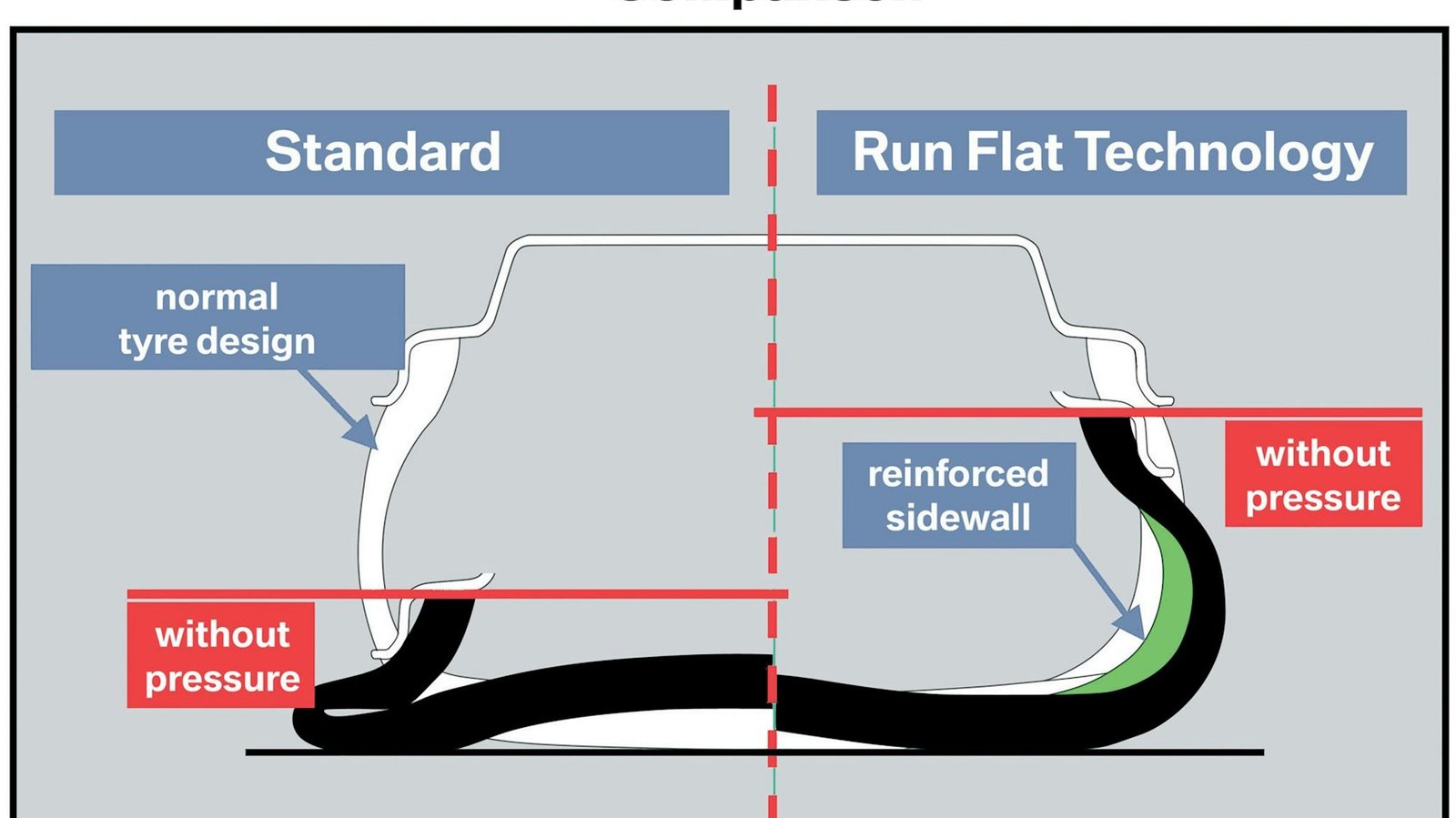
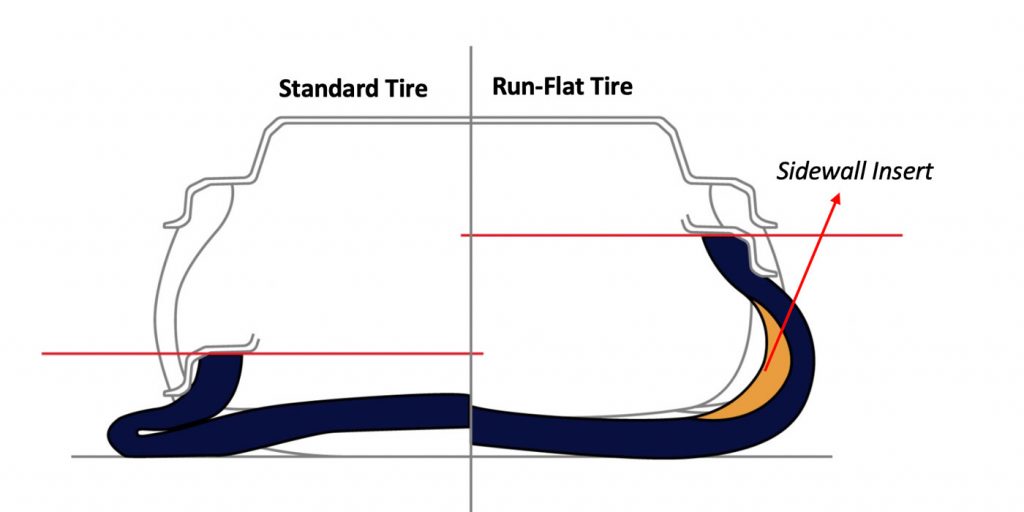
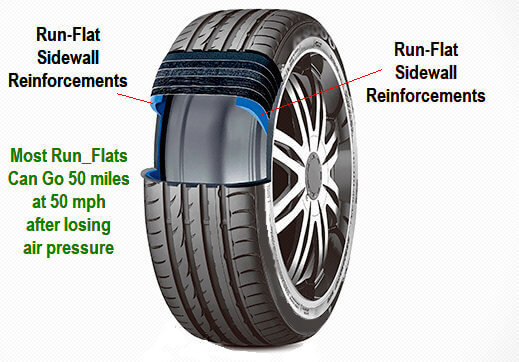
A run-flat tire is designed to support the vehicle for a limited distance after losing air pressure. That feature does not make its tread immune to uneven wear. Run-flat tires still need proper inflation, inspections, and rotation when the vehicle maker recommends it.
Tire makers often give a general rotation interval, but the vehicle schedule takes priority. For example, Michelin’s tire-care guidance gives a general interval of about 5,000 to 7,500 miles. Your vehicle may call for a different interval—or may not allow rotation with its original tire setup.
How often should run-flat tires be rotated?
Use the interval in your owner’s manual or maintenance schedule. If it gives no interval, ask a tire shop or vehicle dealer to check the schedule for your exact model and tire setup.
A general interval of about 5,000 to 7,500 miles is a useful starting point for many passenger vehicles, but it is not a universal rule. Rotate sooner if the vehicle maker calls for it or if a tire professional finds uneven wear and confirms that rotation is allowed.
Check tire pressure at least monthly and before long trips. Use the pressure listed on the driver-side door placard or in the owner’s manual, not the maximum pressure molded on the tire sidewall. Pressure checks matter because underinflation can cause tire wear and may not be obvious on a run-flat tire.

Can every run-flat tire setup be rotated?
No. The tire’s run-flat design alone does not decide whether rotation is possible. The tire sizes, wheel sizes, tread pattern, and vehicle instructions matter.
Check these details before arranging a rotation:
- Same-size tires at all four corners: A standard rotation may be possible if the vehicle maker permits it.
- Staggered fitment: Some vehicles have wider or larger tires on one axle. If the front and rear tires differ in size, they usually cannot move front to rear.
- Directional tread: Directional tires are designed to roll in one direction. They generally need to stay on the same side when moved front to rear, unless a tire professional remounts them to preserve the correct direction.
- Different front and rear wheel widths: Even if the tire size appears similar, wheel differences may limit where a tire can fit.
- Vehicle-specific restrictions: Some makers do not recommend rotation for a particular model or setup. Follow the manual.
| Tire and wheel setup | Is rotation usually possible? | What to check |
|---|---|---|
| Same size on all four wheels, non-directional tires | Often | Vehicle manual and approved pattern |
| Same size on all four wheels, directional tires | Often, with limits | Keep the rolling direction correct |
| Different tire sizes front and rear | Usually not front to rear | Whether a side-to-side move is permitted |
| Different wheel widths or vehicle-specific limits | It depends | Owner’s manual or tire professional |
Do not force a rotation just to follow a general schedule. If the correct pattern is unclear, ask a shop to verify the tire and wheel specifications.

What rotation pattern should be used?
Use the pattern specified by the vehicle maker. The right pattern depends on the drivetrain, tire direction, and whether all four tires are the same size.
For a same-size, non-directional setup, a shop may use a pattern that moves tires between front and rear positions and, where allowed, between sides. For directional tires, the tires usually move front to rear on the same side so the tread continues to point in the required direction.
A staggered setup may allow a side-to-side move on each axle if the tires and wheels match and the maker permits it. It usually cannot use a front-to-rear pattern when the tire sizes differ.
After rotation, confirm that each tire is in an approved position and faces the right direction. If the vehicle has a tire-pressure monitoring system (TPMS), the system may need a reset or relearn procedure. The owner’s manual explains whether this is needed.
What should you do if a run-flat tire has lost pressure?
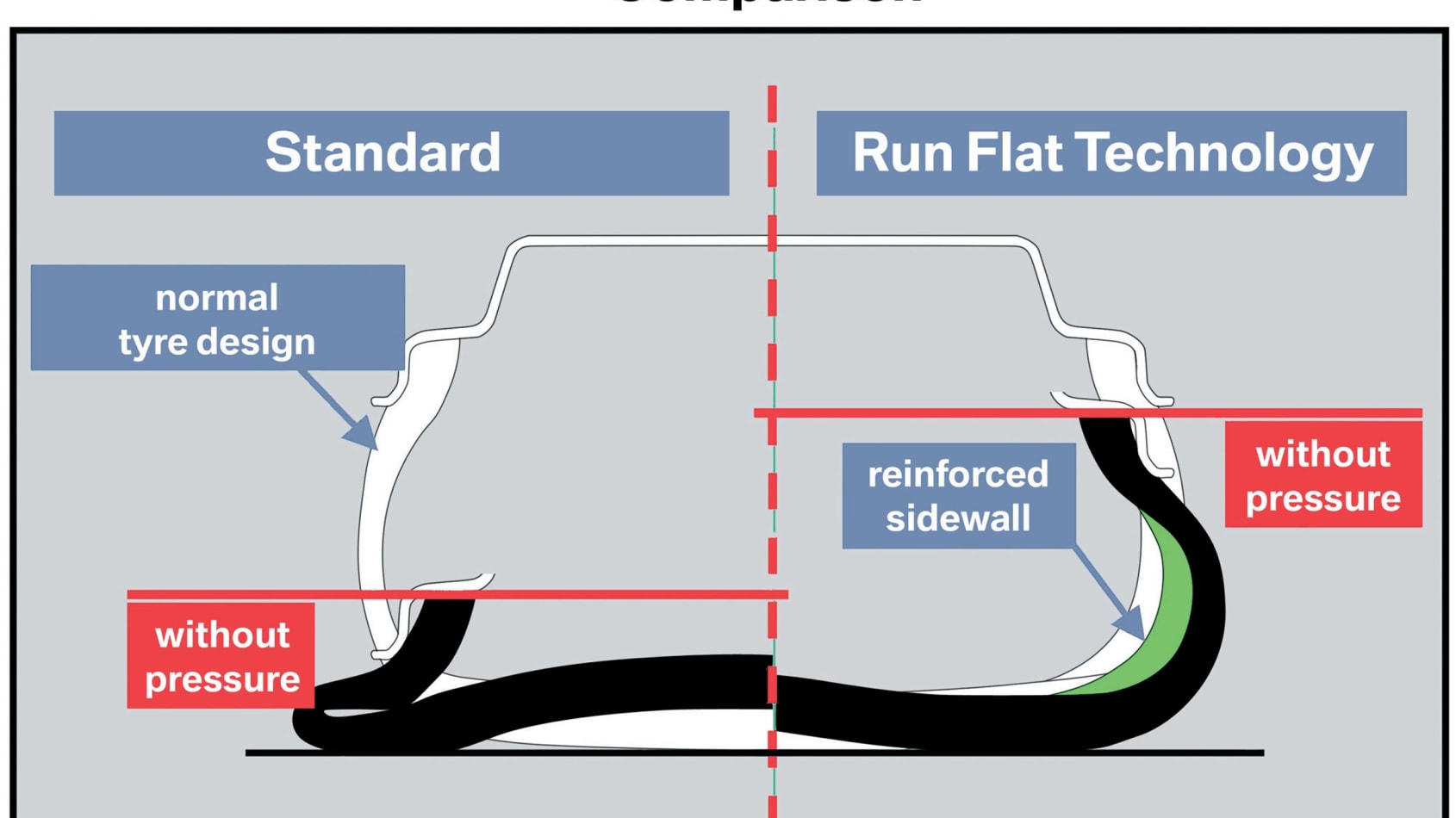
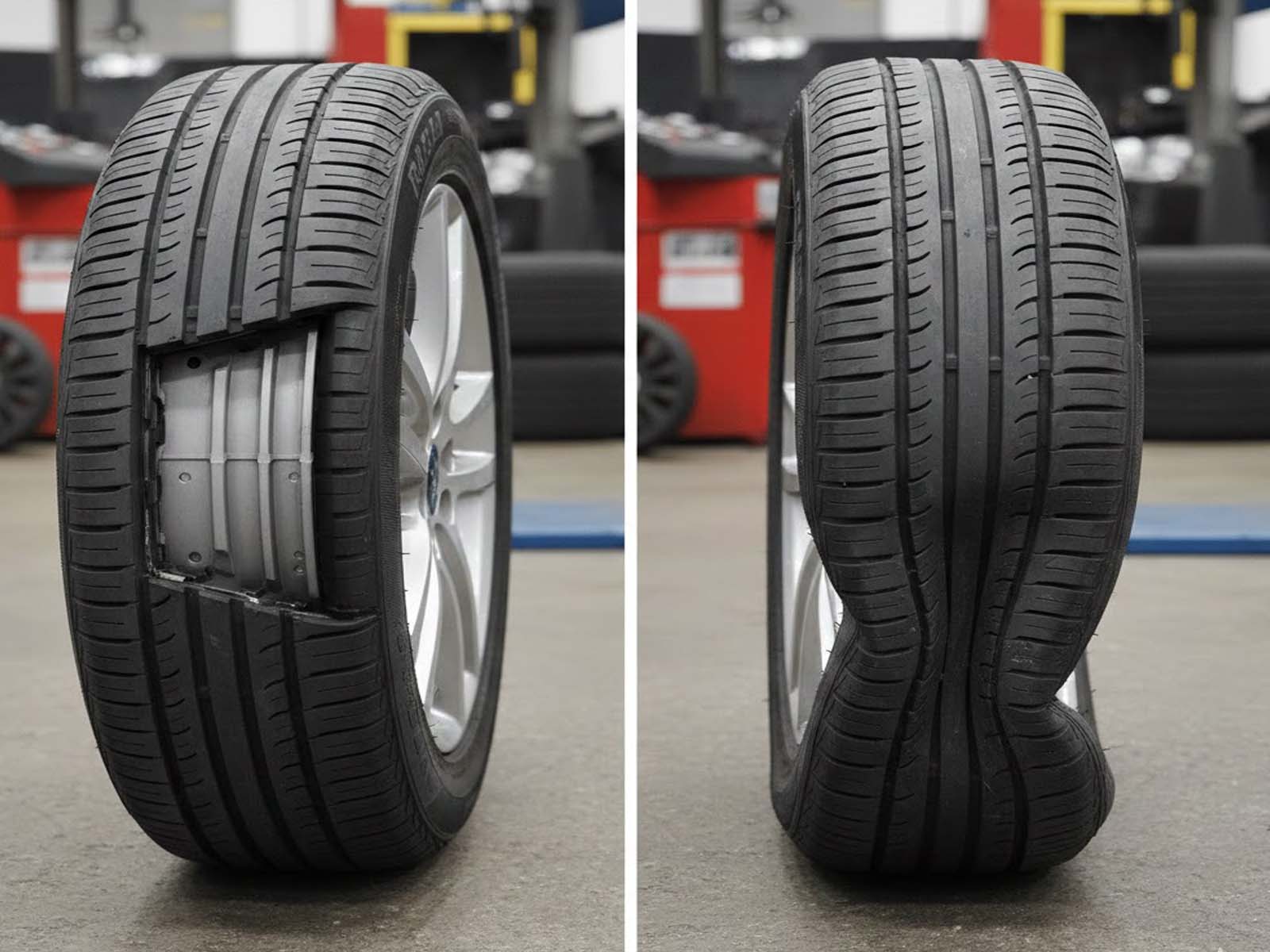
Treat a pressure warning or visibly low tire as a safety issue, even if the car still feels normal. Run-flat tires can look less distorted than conventional tires when underinflated, so appearance alone may not reveal a problem.
Follow the vehicle manual’s instructions for a pressure loss. Some run-flat tires may allow limited driving after losing pressure, but the permitted speed and distance depend on the tire and vehicle. Do not assume you can drive a fixed distance or continue at highway speed. If the car pulls, vibrates, feels unstable, or the tire appears damaged, stop in a safe place and arrange help.
A tire that has been driven with low or no pressure needs a professional inspection. The sidewall and inner structure may be damaged even if the tire later holds air. Whether it can be repaired depends on the tire maker’s rules, the damage, and how the tire was used while underinflated.
Rotation does not repair a damaged tire, correct poor alignment, or fix worn suspension parts. If one tire keeps wearing faster than the others, have the cause checked before simply moving the tires around.

Common mistakes to avoid
- Assuming all run-flat tires use the same rotation pattern. The vehicle and tire setup determine the pattern.
- Rotating tires with different front and rear sizes. Check the manual and tire markings first.
- Ignoring tread direction. A directional tire must keep rolling in the intended direction.
- Using the tire sidewall’s maximum pressure as the vehicle’s target. Follow the door placard or manual.
- Treating a pressure warning as harmless because the car still drives. Follow the maker’s run-flat instructions and get the tire inspected.
- Rotating without checking uneven wear. Wear on one edge or in patches may point to an alignment, pressure, or mechanical issue.
FAQs
Do run-flat tires last longer if they are rotated?
Rotation can help even out wear when the vehicle allows it, but it cannot guarantee longer tire life. Tire pressure, alignment, driving conditions, tire condition, and the vehicle’s setup also affect wear.
Can a tire shop rotate run-flat tires?
Yes, if the vehicle and tire setup permit rotation and the shop follows the correct procedure. Ask the shop to check the vehicle’s specified pattern, directional tread, and TPMS needs.
Can run-flat tires be rotated front to rear?
Sometimes. They can usually move front to rear only if the tire and wheel sizes fit those positions and the vehicle maker allows it. Directional tires generally need to stay on the same side unless they are remounted correctly.
Do I need to reset the TPMS after a rotation?
It depends on the vehicle. Some systems identify tire positions and need a relearn or reset; others adjust automatically. Check the owner’s manual and confirm that the system shows the correct pressures after service.
Should run-flat tires be replaced in pairs?
It depends on the vehicle, tire wear, and the manufacturer’s rules. Replacing one tire can leave a large tread-depth difference, which may matter for some vehicles, especially certain all-wheel-drive systems. Ask the vehicle maker or a qualified tire professional what tread-depth difference is allowed.
Key takeaways
Run-flat tires need rotation when the vehicle maker recommends it and the tire setup allows it. Follow the vehicle’s schedule and approved pattern rather than relying on a universal mileage rule.
Before service, confirm whether the tires are the same size, directional, or part of a staggered setup. If a tire has lost pressure or shows damage, have it inspected before it is moved or put back into service.
Conclusion
Check your owner’s manual for the rotation interval and pattern, then make sure your tire and wheel setup can use that pattern. If the manual is unclear, a tire professional can verify the correct option for your vehicle.