Do Bicycle Tires Have Date Codes: How To Check Tire Age

Do bicycle tires have date codes? Learn where to find markings, how to check tire age, and when to replace old tires for safer rides.
Some bicycle tires have date codes, but there is no single date-code format used across all brands. In the United States, riders should not assume that a bike tire uses the same four-digit date system found on car tires. A mark on a bicycle tire may show its production date, batch, mold, or another factory detail.
If you want to know how old your bike tires are, check both sidewalls and ask the tire maker to confirm any unclear code. Then check the tire’s condition. A date can help you judge age, but it cannot prove that a tire is safe.

Do All Bicycle Tires Have a Manufacturing Date?
No. Not every bicycle tire has a date that a rider can find and read. Some makers use a clear production mark. Others use an internal code that needs a factory lookup.
A tire can also carry several codes with different roles. A short string of numbers may look like a date but refer to a mold or production batch instead.
These terms help explain the difference:
- Manufacturing date: When the tire was made.
- Date code: A coded way to show when the tire was made.
- Batch or lot code: A mark that links the tire to a production run.
- Purchase date: When someone bought the tire, which may be much later.
A batch code may let the maker trace a tire’s age even if the code means little to the rider. That is why a clear photo can be more useful than a guess.
Why the U.S. DOT tire-date rule can cause confusion
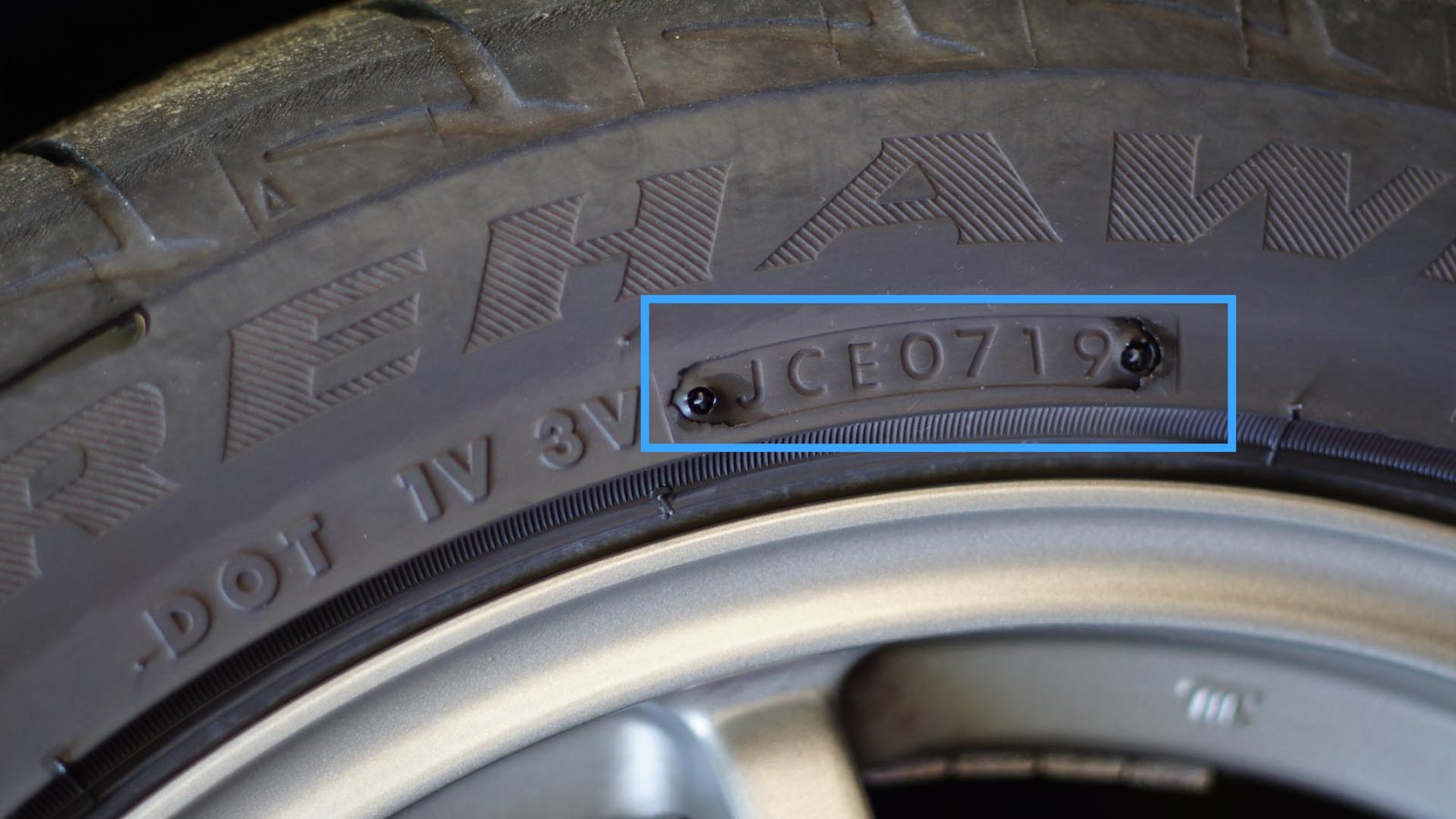
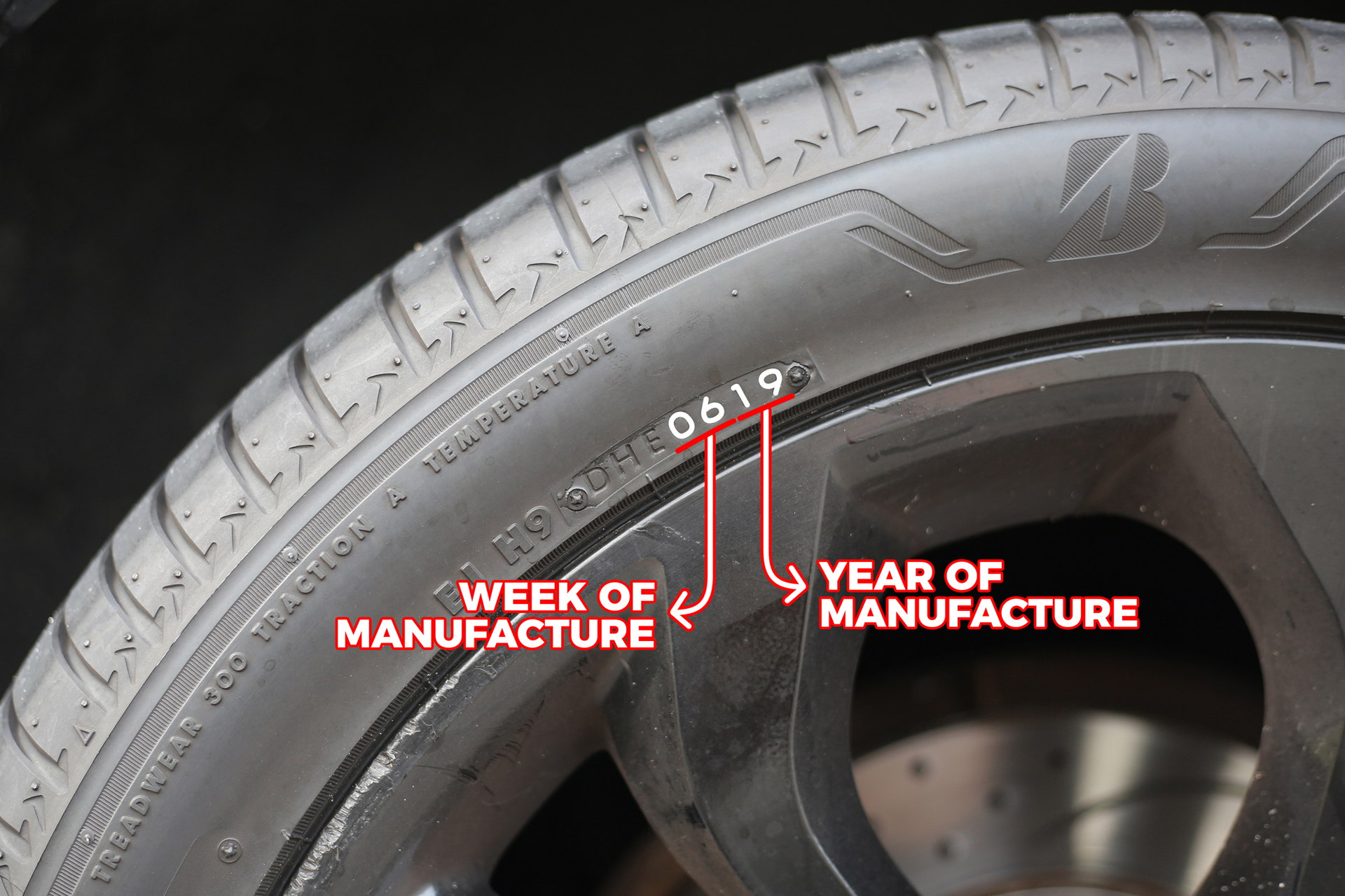
On passenger-car tires, the last four digits of a modern Tire Identification Number show the production week and year. For example, 2323 means the 23rd week of 2023 when it is the date portion of that identification number.
NHTSA’s tire guidance explains this motor-vehicle tire system. The federal tire-identification rules in 49 CFR Part 574 concern motor-vehicle tires; they are not a universal date-code guide for bicycle tires.
The practical rule is simple: Do not decode a four-digit bicycle tire mark as “week/year” unless the manufacturer confirms that format.

How to Find and Read a Bicycle Tire Date Code
Check both sidewalls, record the full markings, and use the manufacturer’s instructions to decode them. You will need good light, a cloth, and a phone or camera. Do not use harsh solvents to make a code stand out.
1. Write down the brand, model, and size
Start with the tire’s full name and size. Include the version if shown, such as tubeless-ready or a specific casing type.
A maker may use different markings across tire models, factories, or production periods. A code guide for one tire may not fit another.
2. Look around both sidewalls
Turn the wheel slowly and check the full tire. Look for small stamped, molded, or printed marks near the bead and among the larger labels.
The bead is the tire’s inner edge that seats against the rim. Some marks may be hard to see while the tire is mounted. Do not remove a sound tire just to hunt for a date until you have checked the maker’s guidance.
3. separate size and safety labels from possible date codes
Most visible tire numbers are not dates. Use this table to rule out common markings before trying to decode an unknown string.
| Example marking | Usual meaning | Does it show age? |
|---|---|---|
37-622 |
Tire width and bead-seat diameter, in millimeters | No |
700 × 35C |
A common tire-size label | No |
A value followed by PSI or bar |
Inflation pressure information | No |
TPI with a number |
A casing thread-count label | No |
| An arrow or “Rotation” | Intended direction of travel | No |
| A short number or letter string | Could be a batch, mold, date, or other factory code | Only if verified |
In 37-622, the 622 does not mean a date in June 2022. It is the bead-seat diameter.
4. Photograph the whole code
Take one close-up and one wider photo that shows where the mark sits. Keep any nearby letters, spaces, symbols, or boxes in the image.
Those details can change how a code is read. A cropped image of four digits may leave out the part that identifies the code’s purpose.
5. Check official guidance or contact support
Use the tire maker’s support page, technical guide, or customer service team. Ask whether the mark is a date code and what it means for that exact tire.
A useful message is:
I am in the United States and have a [brand/model/size] bicycle tire. The sidewall code reads [full code]. Can you confirm whether it identifies the manufacturing date? I have attached photos of both sidewalls and the code.
A successful check ends with a date confirmed by the maker—or a clear answer that the visible code does not reveal one. If support cannot decode it, record the age as unknown rather than applying a car-tire formula.

What If You Cannot Find a Date Code?
A missing or unreadable date code does not, by itself, mean a tire is unsafe or counterfeit. It means the tire’s age has not been established from that mark.
Check the packaging, receipt, and any records from the seller. A package may carry a lot code that helps the maker trace the tire. A receipt can show how long you have owned it, but not how long it sat in storage before sale.
Use this decision guide when age is unclear:
| Situation | Useful next step | What remains unknown |
|---|---|---|
| New tire from a known seller, with packaging | Ask the seller or maker to trace the lot | Production date until confirmed |
| Used tire with no history | Check condition and seek a shop assessment if unsure | Storage, prior impacts, and use |
| Tire has an unexplained four-digit mark | Send the full code and photos to the maker | Whether the mark is a date |
| Tire has visible structural damage | Stop using it and arrange replacement | A date lookup will not resolve the damage |
If the tire’s history is unknown and its condition is doubtful, a date search should not delay a safety decision.

Does an Old Bicycle Tire Need to Be Replaced?
Age matters, but condition, storage, and the maker’s guidance also matter. There is no single replacement birthday that applies to every bicycle tire.
Rubber and other tire materials change over time. Heat, sunlight, ozone, use, and poor storage can affect the tire. A tire kept in a hot garage may not age like one stored in a cool, dry, dark space.
Schwalbe’s tire-wear guidance discusses wear, aging, and storage. Use guidance for your own brand and model rather than treating one company’s advice as a rule for all tires.
Check for damage before the next ride
Look at the tread, both sidewalls, and the bead area where visible. Watch for:
- Exposed casing threads or a visible puncture-protection layer.
- Bulges, blisters, or signs that layers are coming apart.
- Deep cuts or cracks that reach the casing.
- A damaged bead or tire edge.
- A tire that will not seat evenly on a compatible rim.
Do not ride a tire with a bulge, exposed casing, a damaged bead, or apparent separation. Replace it. If you are unsure what you are seeing, have a qualified bicycle mechanic inspect it before use.
Fine surface cracks need context. They are a reason for closer inspection, not a reliable way to work out the tire’s age or remaining life.
Do not judge every tire by tread depth
Knobby mountain bike tires can lose grip as their knobs wear. Smooth road tires may have little tread pattern when new, so a smooth surface alone does not show that they are worn out.
Use the model’s wear indicators, if provided, and the maker’s replacement guidance. Do not copy the tread-depth rules used for car tires.
The main distinction is this: a date describes when a tire was made; an inspection looks for what has happened to it since.

Is an Older, Unused Bicycle Tire Safe to Buy?
An unused tire is not necessarily a recently made tire. “New old stock” describes an unused item that has spent time in storage.
Before buying, ask about the production date, storage conditions, return policy, and warranty terms. If the seller cannot confirm the date, ask for photos of the tire and its packaging codes.
A low price does not make damaged rubber usable. Do not buy a tire with cracks, distortion, exposed threads, or bead damage just because it has never been ridden.
For a tire intended for fast descents, long trips, heavy loads, or e-bike use, uncertain history deserves extra care. Choose the right tire specification and follow the maker’s instructions; a recent date does not make an unsuitable tire fit the job.
How to Store Bicycle Tires to Limit Aging
Keep spare tires cool, dry, dark, and free from strain. Follow any storage instructions that came with the tire.
Keep tires away from direct sun, heaters, fuels, oils, solvents, and ozone sources such as some electric motors. Avoid crushing a tire beneath heavy objects.
Do not force a wire-bead tire into tight folds. Even folding tires should not be stored with sharp, sustained creases or loads that distort them.
Label the package with the purchase date and keep the receipt. This will not establish the production date, but it gives you a useful ownership record.

FAQs
Does a receipt prove when a bicycle tire was made?
No. A receipt proves a purchase date, not a production date. The tire may have spent time in a warehouse or shop before you bought it.
Must front and rear tires have matching date codes?
No. Matching production dates are not a general requirement. Each tire must suit its wheel, intended use, and any front- or rear-specific design instructions.
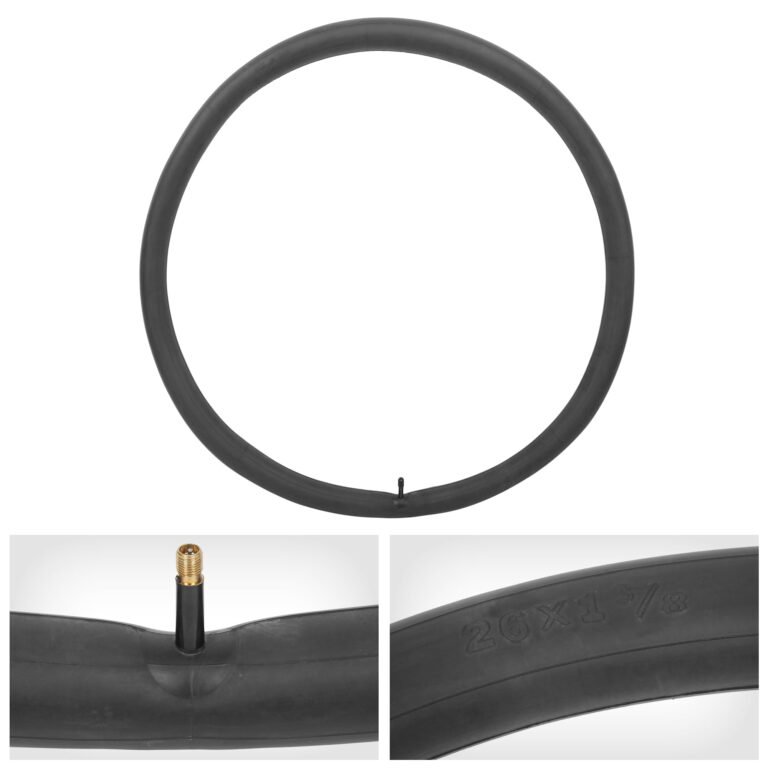
Do bicycle inner tubes use the same date codes as tires?
Do not assume they do. Tubes may have their own batch or production marks. Ask the tube manufacturer to explain an unclear code.
Does the manufacturing date tell me when the warranty starts?
Not necessarily. Warranty terms vary by manufacturer and market. Check the U.S. terms for your tire and keep proof of purchase.
Can a tire’s date code prove that it is genuine?
Not on its own. A plausible code is not proof of authenticity. If the tire’s origin is in doubt, contact the brand with photos, packaging details, and the seller’s name.
Research Scope and Next-Question Gap Map
This guide draws on the official reference links above and separates motor-vehicle date rules from bicycle tire checks. Live browsing was not available, so current page contents, competing articles, and model-specific code formats could not be checked. No hands-on tire testing was performed.
The questions below are inferred reader needs, not verified search-volume findings. Competitor coverage is marked “not checked” rather than claimed as a gap across the web.
| Question | Reader stage | Basis and source | Competitor coverage | Reader benefit and evidence | Priority and placement |
|---|---|---|---|---|---|
| Can I read four digits like a car-tire date? | Reading a code | Inferred from the distinction between NHTSA’s system and bicycle markings | Not checked | Prevents a false age estimate; federal scope and maker confirmation | High; date-code explanation |
| What if no date is visible? | Troubleshooting | Inferred from the identification task | Not checked | Gives a path forward without guessing; packaging and manufacturer lookup | High; missing-code section |
| Does age alone mean replacement? | Safety decision | Inferred from the purpose of checking age; manufacturer wear guidance | Not checked | Separates age from damage and storage history | High; replacement section |
| Is old stock worth buying? | Before purchase | Inferred from the difference between production and sale dates | Not checked | Helps readers ask for evidence before purchase; model-specific advice still needed | Medium; buying section |
Model-specific decoding remains the key evidence limit. A confirmed code format for one brand or tire should not be extended to another without support.

Conclusion
Some bicycle tires have date codes, but there is no universal bicycle tire date decoder. Check both sidewalls, record the full markings, and ask the manufacturer to confirm the meaning.
Then assess condition and storage history. If a tire has structural damage, stop using it regardless of its age. If its age is simply unknown, the next step is a careful inspection—not a guessed date.