Does Americas Tire Do Brakes: What To Know

Wondering, does americas tire do brakes? Get clear answers about available services and brake repair options before scheduling your next visit.
Generally, no—America’s Tire is known for tire and wheel services, not routine brake repair. If you need brake pads, rotors, calipers, or brake fluid service in the United States, plan to contact a shop that explicitly offers brake work.
There is one limit to that answer: live store-level services were not verified for this article. Before making a trip, call your local America’s Tire and ask whether it performs the exact brake service you need. Do not assume that a tire appointment includes a brake inspection.

What Does America’s Tire Service?
America’s Tire focuses on tires and wheels. Its core business is different from that of a full-service auto repair shop.
Tire work and brake work can overlap in symptoms, but they involve different parts and skills. Tires provide grip on the road. The brake system slows the wheels through parts such as pads, rotors, calipers, and hydraulic lines.
Use this table to decide which type of shop to contact first.
| What you need | Appropriate first contact |
|---|---|
| New tires or help choosing tire sizes | America’s Tire or another tire retailer |
| Tire rotation, balancing, or a possible puncture repair | A tire shop; confirm the service and repair eligibility |
| Brake pad or rotor replacement | A shop that explicitly offers brake repair |
| Brake fluid service or a suspected fluid leak | A qualified brake repair provider |
| ABS warning light diagnosis | A repair shop with suitable diagnostic tools |
| Vibration with an unclear cause | A shop that can assess the conditions that trigger it |
A wheel must often come off during brake work. That does not mean every business that removes wheels also repairs brakes.

Does a Tire Appointment Include a Brake Inspection?
Do not treat tire service as a complete brake inspection. A technician may notice a visible concern while a wheel is off, but that is not the same as testing the brake system.
Some faults are not clear from a quick look. A proper inspection may require measurements, checks for leaks, an assessment of moving parts, and electronic diagnosis when warning lights are present.
If a technician flags worn brake parts, ask:
- Which part appears worn or damaged?
- Was the concern measured, or was it a visual observation?
- Is a photograph or written note available?
- Does the vehicle need a brake specialist before further driving?
A useful observation can help you take the next step. It does not establish that the rest of the brake system is sound.
Is the Problem Your Tires or Your Brakes?
The conditions that trigger a symptom help guide diagnosis, but they do not prove the cause. Note whether the issue occurs while braking, cruising, turning, or driving at a certain speed.
This distinction can keep you from booking a tire service for a brake fault—or paying for brake parts when the cause lies elsewhere.
| Symptom | Possible causes—not a diagnosis | Practical next step |
|---|---|---|
| Vibration mainly when you press the brake pedal | Brake rotor variation, uneven friction deposits, or another brake or chassis fault | Arrange a brake inspection |
| Vibration at a certain road speed, even without braking | Tire or wheel imbalance, tire damage, or another rotating-part issue | Have the tires and wheels checked |
| Vehicle pulls mainly during braking | Uneven brake action, tire issues, or suspension faults | Have the braking concern assessed |
| Squeal while braking | Pad wear indicators, pad material, moisture, or other brake conditions | Schedule an inspection if it persists |
| Grinding while braking | Severe wear, trapped debris, or damaged parts | Stop driving and seek repair help |
| Soft pedal, sinking pedal, or reduced stopping power | A hydraulic fault or another serious brake problem | Stop safely and arrange a tow |
When Should You Stop Driving?
Stop as soon as it is safe if braking performance changes sharply. Do not drive to a tire shop just because it is nearby.
Arrange roadside help or a tow if the pedal sinks, stopping power falls, or you suspect a brake fluid leak. If a red brake warning light stays on after the parking brake is fully released, follow the vehicle owner’s manual and seek prompt help.
An ABS warning light is different from a red brake warning light. The effect depends on the vehicle and which lights are on. Check the manual rather than assuming the car is safe to drive.

How to Get Brake Work Without Wasting a Trip
Confirm the service, describe the symptom, and ask for an inspection before approving repairs. This gives the shop a clear task and helps you compare estimates fairly.
1. Call Before You Book
Ask your local America’s Tire:
“Do you perform brake inspections and brake repairs at this location, or only tire and wheel work?”
If it does offer brake work, ask whether that includes the specific task you need. Pad replacement, hydraulic repair, and ABS diagnosis are not interchangeable services.
If it does not, contact an independent repair shop, a dealer service department, or another provider that lists brake repair.
2. Describe What Happens
Tell the shop when the issue starts and what changes it. Useful details include:
- Whether the noise occurs only when braking.
- Whether the pedal feels firm, soft, or different from normal.
- Which warning lights are on.
- Whether the car pulls to one side.
- Whether the problem began after recent tire or brake work.
Do not perform a road test if the brakes feel unsafe. Your description does not need to include a diagnosis.
3. Request Findings and an Itemized Estimate
Ask the shop to explain what it found before you approve work. The estimate should distinguish parts, labor, diagnostic fees, taxes, and other charges.
For pad and rotor work, useful questions include:
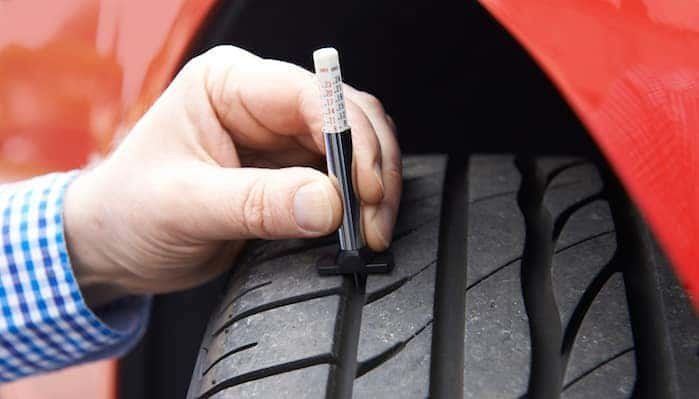
- What is the measured pad thickness?
- What is the rotor thickness compared with the vehicle’s service limit?
- What condition makes each proposed repair necessary?
- Are the calipers functioning properly?
- What warranty applies to parts and labor?
A photo can support an explanation, but measurements and service specifications matter too.
4. Confirm the Result
After repair, ask what was replaced and whether any concerns remain. Follow any break-in instructions supplied for the installed parts.
If the pedal still feels wrong, warning lights remain on, or the original fault persists, contact the repair shop promptly. Do not assume a new brake part means every possible fault has been fixed.

What Changes the Scope and Cost of Brake Repair?
Brake repair cost depends on the vehicle and the diagnosed fault—not just the phrase “brake job.” A pad replacement is not the same service as replacing pads, rotors, and a seized caliper.
The main variables include:
- Vehicle design: Parts and labor requirements vary by year, make, model, and trim.
- Front or rear axle: The work and parts may differ.
- Rotor condition: Thickness and damage affect whether a rotor can remain in service.
- Caliper condition: A sticking or leaking caliper adds work beyond normal friction-part replacement.
- Electronic parking brakes: Some vehicles require a specified service procedure and suitable tools.
- Fluid or electronic faults: Leak repair and ABS diagnosis require different work from replacing pads.
No current national price range is supplied here because live prices and comparable repair scopes were not verified. Get written estimates for the same work before comparing totals.
For example, an estimate for front pads alone cannot be fairly compared with one for front pads, two rotors, and caliper repair. The lower number may simply cover less work.

Common Mistakes to Avoid
The biggest mistake is assuming that one automotive service covers another. A tire rotation, wheel balance, alignment, and brake repair each address different tasks.
Avoid these other errors:
- Treating every vibration as a balance issue. Vibration that occurs mainly while braking needs a different diagnostic path.
- Approving parts based only on noise. Noise is a symptom, not a complete diagnosis.
- Expecting every brake job to include fluid service. Ask what the estimate includes and why.
- Ignoring a warning because the car still stops. A fault can exist before braking performance clearly worsens.
- Comparing prices without comparing scope. Check the axle, parts, labor, and warranty.
There is also no single mileage rule that proves brakes are due for replacement. Follow the vehicle’s maintenance guidance and use measured condition to support repair decisions.

FAQs
Will new tires fix a brake problem?
No. New tires may improve available grip when old tires are worn or unsuitable, but they do not repair worn pads, damaged rotors, fluid leaks, or ABS faults. Tires and brakes both affect stopping, but they do different jobs.
Does a tire warranty cover brake repairs?
Do not assume so. A tire warranty or tire protection plan does not establish coverage for brake parts or labor. Read the actual agreement and ask the provider which component and type of damage it covers.
Do electric vehicles still need brake service?
Yes. Regenerative braking can reduce the use of friction brakes, but electric vehicles still have brake components that need inspection and maintenance. Follow the specific vehicle manufacturer’s guidance.
Can I bring my own brake parts to a repair shop?
Ask before booking. Some shops accept customer-supplied parts, while others do not. Confirm fitment, labor charges, and whether the shop provides any warranty on work involving those parts.
Sources, Verification Limits, and Next-Question Gaps
This guide provides general service-routing and safety guidance, not a verified live directory of America’s Tire locations. No live competitor pages, local service menus, or current prices were inspected. Store-level availability therefore remains unconfirmed.
For direct verification and further guidance, use:
- America’s Tire for official store information and contact details.
- FTC: Auto Repair Basics for guidance on choosing a shop, estimates, and repair records.
- NHTSA: Tires for US tire safety information.
- Your vehicle’s owner’s manual for model-specific warning lights, maintenance, and operating limits.
The following next questions were inferred from the reader’s task. They are not claimed as verified search demand or gaps across the internet.
| Next question | Reader stage and basis | Inspected competitor coverage | Reader benefit and evidence needed | Priority and placement |
|---|---|---|---|---|
| Does my local store offer brake work? | Before booking; inferred from location-dependent service needs | Not checked | Avoids a wasted trip; direct store confirmation needed | High; opening and booking steps |
| Does tire service count as a brake inspection? | During service; inferred from overlapping wheel access | Not checked | Prevents false reassurance; inspection scope must be confirmed | High; inspection section |
| Can I safely drive to a shop? | Before travel; inferred from brake-related risk | Not checked | Helps avoid unsafe driving; owner’s manual and qualified assessment needed | High; safety section |
Conclusion
For brake repair, plan on a qualified brake service provider rather than assuming America’s Tire can do the work. Call your local store to confirm its exact services before booking.
If the car has reduced stopping power, a sinking pedal, or another serious brake symptom, skip the routine appointment. Stop safely and arrange professional help.