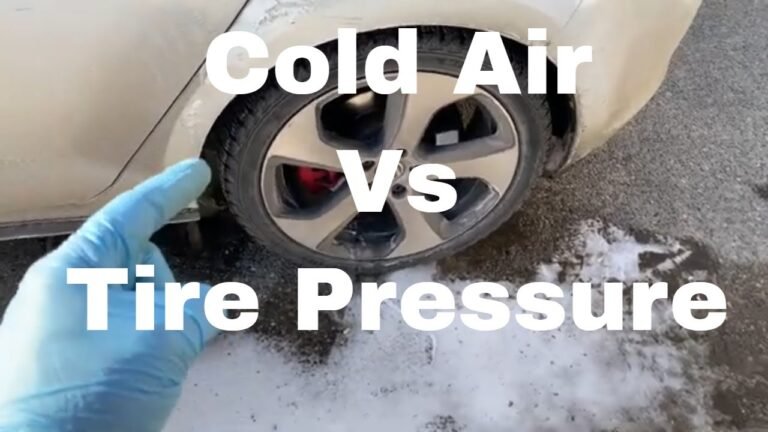

Is A Flat Tire A Good Excuse To Miss Work: What To Say

Is a flat tire a good excuse to miss work? Learn when it’s valid, how to notify your boss, and what to say to stay professional.
Yes—a real flat tire can be a valid reason to be late or miss work in the United States. But it does not guarantee an excused or paid absence. Your employer’s attendance rules, your notice, and whether you can safely get to work later all affect the outcome.
A flat tire may justify a late start rather than a full day off. The best approach is to get to safety, notify your manager at once, and give a clear update when you know more. Be honest about the problem and realistic about what you can do next.

When Does a Flat Tire Justify Missing Work?
A flat tire is a reasonable reason to miss work when it prevents you from reaching your job safely and you have no practical way to get there. It is less likely to justify a full-day absence if a safe, workable fix lets you arrive later.
There is no single U.S. rule that makes every car problem an excused absence. A valid explanation and an approved absence are two different things. Your manager may accept what happened but still apply an attendance policy.
Use this table to judge what to request:
| Your situation | A reasonable request | What to tell your manager |
|---|---|---|
| Roadside help can get you moving soon | A late start | Your best arrival estimate, once you have one |
| Your car needs a tow and repairs | A late start, remote work, or time off | What is confirmed and when you will update them |
| You are stranded with no safe transport | An excused absence | Why you cannot safely reach work |
| You can safely use another ride | Permission to arrive late | Your revised travel plan |
| Your work can be done from home | Temporary remote work | When you can log in and what you can complete |
Cost matters, too. A taxi or rideshare may exist but be far beyond what you can afford. State the actual limit rather than saying there is “no transportation” if the real issue is cost.
The key distinction is simple: the flat tire explains the delay; the facts determine how much work you need to miss.

What to Do If You Get a Flat Tire Before Work
Handle the road hazard first, then follow your employer’s call-out process as soon as you can do so safely. A quick, accurate report is more useful than a long explanation sent much later.
1. Get out of immediate danger
Keep control of the car and avoid abrupt steering or braking. Move out of traffic to a safe stopping place if possible. Turn on your hazard lights.
Do not keep driving to work on a flat tire. Do not try to change it where passing traffic, a narrow shoulder, soft ground, or poor visibility makes the job unsafe. Follow your vehicle’s manual and call roadside assistance when needed.
The National Highway Traffic Safety Administration’s tire guidance explains tire care and how to respond to a blowout. If there is an immediate threat to life or safety, call 911.
2. Notify the right person
Use the method your workplace requires. That may mean a phone call, an attendance line, a scheduling app, or a message to your supervisor. A text to a coworker may not count as notice.
If you cannot reach your manager, leave a message and use the next approved contact. Keep a record of when you called or sent the message. Do not text while driving.
3. Give facts, not guesses
Your first report should explain:
- What happened.
- Whether you are safe.
- Whether you expect to be late or may need to miss the shift.
- When you will provide your next update.
You do not need a firm repair time before making the first call. Say that the timing is not yet known. A clear update promise is better than an arrival time you cannot meet.
4. Check safe, practical options
Once you are safe, consider roadside service, a qualified tire shop, another ride, or approved remote work. Use a spare only if it is safe to install and suitable for the trip. Follow its limits and your vehicle’s instructions.
Do not assume a temporary spare lets you drive your normal route at your normal speed. Limits vary by vehicle and tire.
5. Confirm the work plan
Ask whether your manager wants you to report late, work remotely, use available leave, or miss the shift. Confirm the next step in writing if possible.
A successful response ends with a shared plan: who knows, what you will do, and when you will check in. If the repair or ride falls through, send a new update rather than letting the last estimate expire.

What Should You Say to Your Boss About a Flat Tire?
Keep your message brief, truthful, and specific about the effect on work. Tell your manager what you know now, then commit to an update.
These examples are templates. Change the facts and times to match your situation.
If you do not yet know how long the delay will last
Hi [Manager], I got a flat tire on my way to work and have pulled over safely. I’m arranging roadside help, but I don’t have an arrival estimate yet. I’ll update you by [time]. I’m also following the call-out process.
If you expect to arrive late
Hi [Manager], a flat tire has delayed my commute. Roadside help has given me an estimated arrival time, and I currently expect to reach work around [time]. That may change if the repair takes longer. I’ll let you know if it does.
If you need to request the day off
Hi [Manager], my car needs a tow after a flat tire, and I do not have a safe, workable way to reach the job today. I’m requesting the day off. Please let me know whether I should use available PTO or unpaid leave and what documentation you need.
If remote work is possible
Hi [Manager], I have a flat tire and cannot make my normal commute. If approved, I can work from home starting at [time] while I arrange repairs. Please confirm whether that works for today.
Avoid claiming that a tow, repair delay, or lack of transport is confirmed when it is not. Do not give a false excuse or create fake proof. A car problem is manageable; a trust problem can last much longer.

Can Your Employer Discipline You for Missing Work Due to a Flat Tire?
Yes, an employer may be able to apply its attendance policy even when the flat tire is real. A routine tire problem, by itself, generally does not create a right to protected leave under federal law.
That does not mean every warning or dismissal would be lawful. An employment contract, union agreement, employer policy, or applicable state or local law may change the result. Other facts—such as unlawful discrimination or retaliation—can also raise separate legal issues.
Check the attendance policy first
Look for rules on:
- How and when to report an absence.
- Attendance points and emergency exceptions.
- Late arrivals versus full-shift absences.
- Required documentation.
- Use of paid time off.
- Review or appeal of an attendance decision.
Do not assume your manager can waive a rule. Ask whether an emergency exception exists and how to request it.
Do not confuse a car problem with protected medical leave
The U.S. Department of Labor’s FMLA guidance describes leave for qualifying family and medical reasons for eligible employees of covered employers. A flat tire alone is not such a reason.
If the event also involves an injury or another qualifying circumstance, that separate issue may need its own review. The tire problem does not decide the whole case.
What to do if you receive a warning
Ask which policy applies and how the absence was recorded. Save your call records, messages, and any relevant service receipt. If there is an appeal process, use it and stick to the facts.
For a dispute involving possible legal rights, contact your union representative, a relevant labor agency, or an employment attorney. General guidance cannot determine the result of an individual case.

Will You Get Paid If You Miss Work Because of a Flat Tire?
Pay depends on your leave balance, employer policy, pay status, and applicable law. An accepted explanation does not automatically make the time paid.
The Department of Labor states that the Fair Labor Standards Act does not generally require payment for time not worked, including vacation time. Employer-provided benefits and other laws may create additional rights. See the department’s vacation leave guidance.
| Work arrangement | What to check |
|---|---|
| Hourly, nonexempt employee | Hours worked, available PTO, reporting-pay rules, and any agreement |
| Salaried employee | Whether the role is exempt or nonexempt and which pay rules apply |
| Union-covered employee | Contract terms for emergencies, leave, and attendance |
| Approved remote worker for the day | How to record the work actually performed |
For nonexempt employees, record all work you actually perform. Do not work off the clock to make up for the delay.
Salary rules need care. Being paid a salary does not, by itself, mean you are exempt from overtime rules. For employees covered by the relevant salary-basis rules, some full-day personal-absence deductions may be allowed, while partial-day salary deductions are generally restricted, subject to exceptions. The Department of Labor explains these distinctions in its salary-basis guidance.
If a pay deduction seems wrong, ask payroll for the basis before assuming the absence must be unpaid.

How to Protect Your Credibility After the Absence
Keep a clear record and close the loop with your manager. You do not need to turn a flat tire into a case file, but a few records can help resolve a later dispute.
Useful records may include a roadside assistance confirmation, tow receipt, tire-shop invoice, or a photo taken from a safe place. Save your notice to work and your follow-up messages as well.
Do not put yourself at risk to take a photo. A manager’s request for proof does not make it safe to stand near traffic.
After the problem is resolved, send a short final update. Confirm when you can return and how the missed time will be recorded. If the car is still not safe to drive, say so before your next shift.
Repeated tire trouble needs a different response from a one-time emergency. Have a qualified shop assess recurring air loss or visible damage, and make a backup commute plan if one is feasible. That reduces both the road risk and the chance of another attendance problem.

Frequently Asked Questions
Can I use sick leave for a flat tire?
Do not assume so. A car repair alone may not be a permitted use of a dedicated sick-leave benefit. Check the policy and any applicable state or local paid sick-leave rules. General-purpose PTO or personal leave may be a better fit.
Do I have to send my boss a photo?
There is no universal answer for every U.S. workplace. Ask what documentation the policy requires and whether a service confirmation or receipt will do. Share only what is needed, and avoid exposing payment details or other private information.
What if I get a flat tire while driving for work?
Tell your employer that the problem occurred during a work trip, not just a commute. Work-related travel can raise different questions about paid time, vehicle use, expenses, and insurance. Follow the employer’s incident procedure and check the Department of Labor’s hours-worked guidance if travel-time pay is in question.
Does being on probation change what I should do?
You should still report the problem promptly and follow the same safety steps. Check whether your introductory-period policy has different attendance or leave terms. Probation does not erase any legal protections that otherwise apply.
What if my boss tells me to drive on the flat anyway?
Do not drive on an unsafe tire to meet an arrival deadline. Explain that you need a safe repair or another ride, and offer a realistic alternative if one exists. Keep a record of the exchange and raise the issue with HR or a union representative if needed.
Evidence and Next-Question Coverage
This guide draws on the U.S. federal resources linked above. Live browsing was not available, so current state and local rules, individual employer policies, and competing articles were not verified. No live search rankings, search-demand findings, or hands-on tire tests are claimed.
The following next questions are inferred from the reader’s task, not reported as observed search queries. Competitor coverage is marked accordingly.
| Next question | Reader stage and basis | Competitor coverage | Reader benefit and evidence | Priority and placement |
|---|---|---|---|---|
| Does a flat tire justify the whole day off? | During the delay; inferred from the need to choose a work plan | Not checked | Separates the cause from the time needed; practical decision analysis | High; opening decision table |
| Is the absence legally protected? | Before or after reporting; inferred from job-risk concerns | Not checked | Avoids confusing an emergency with protected leave; DOL FMLA guidance | High; discipline section |
| Will missed time be paid? | After arranging coverage; inferred from income concerns | Not checked | Separates leave approval from pay entitlement; DOL leave and salary guidance | High; pay section |
| What if the tire fails during a work trip? | During work travel; inferred from a change in circumstances | Not checked | Flags a different pay and incident-reporting context; DOL hours-worked guidance | Medium; FAQ |

Conclusion
A flat tire is a valid explanation for being late or missing work, but it is not automatic permission for a paid day off. The strongest response is prompt notice, a truthful account, and a safe plan based on what is actually possible.
Get safe, contact your manager, and set a time for your next update. Then confirm whether you should arrive late, work remotely, or use available leave.