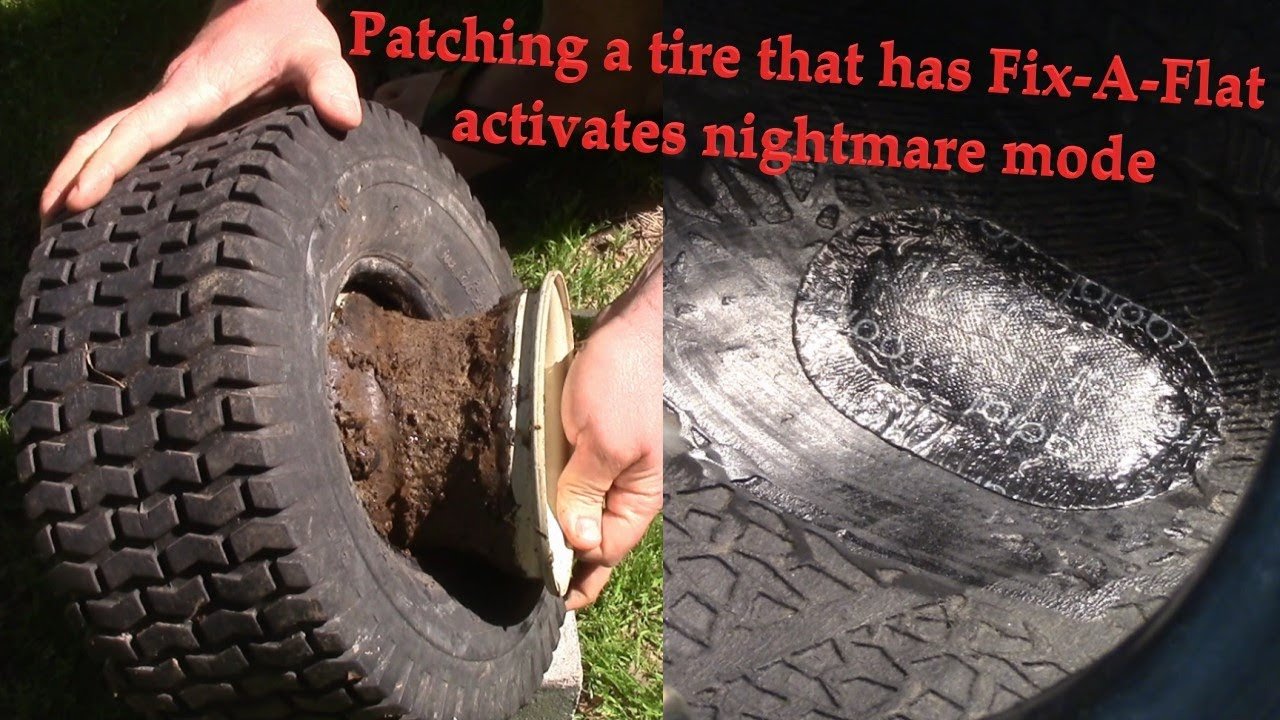
Can You Patch A Mud Tire: Safe Repair Guide

Before your next off-road trip, ask: can you patch a mud tire? Learn safe repair limits, common risks, and when to replace it.
Yes, you can patch many mud tires used on U.S. pickups, SUVs, and Jeeps—but only when the damage meets safe repair limits. For a typical passenger or light-truck radial tire, a small puncture in the repairable tread area may qualify. sidewall damage, shoulder damage, and damage from driving flat generally do not.
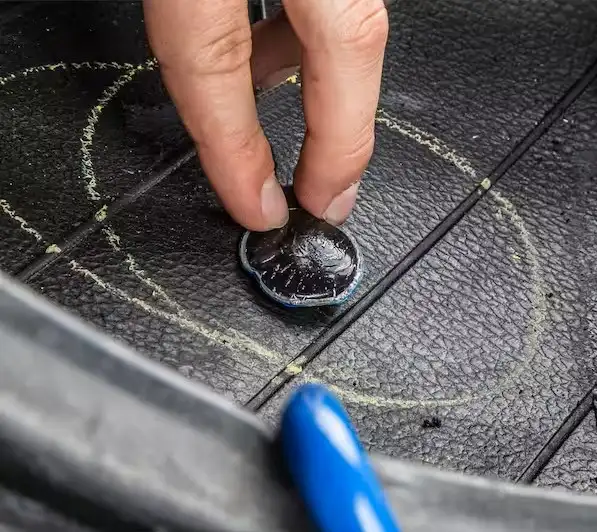
The U.S. Tire Manufacturers Association (USTMA) calls for removing the tire from the wheel, inspecting it inside, filling the puncture channel, and sealing the inner liner with a patch. An outside plug alone—or a patch alone—is not a complete repair under that guidance.
Deep tread does not make every hole repairable. The location, size, and condition of the tire matter more than the height of its mud-clearing lugs.
When Can a Mud Tire Be Repaired?
A mud-terrain tire may be repairable when it has a small tread puncture and no other damage that rules out repair. Start with the tire maker’s policy, then have a qualified tire shop inspect the tire off the wheel.
For passenger and light-truck tires covered by USTMA guidance, the puncture must be no larger than 1/4 inch, or 6 millimeters. It must also sit within the repairable tread area—not the shoulder or sidewall.
Use this table to plan your next step. It is a screening guide, not a substitute for an internal inspection.
| Damage or condition | Likely outcome | Next step |
|---|---|---|
| Nail or screw puncture, no larger than 1/4 inch, within the repairable tread area | May qualify for repair | Have the tire removed and inspected |
| Puncture near the outer tread edge | May fall outside the repairable area | Let a technician check the tire’s repair limits |
| Sidewall puncture, cut, or bulge | Not a routine repair candidate | Replace the tire |
| Shoulder puncture or tear | Outside normal passenger/light-truck repair limits | Replace the tire |
| Hole larger than 1/4 inch | Outside USTMA passenger/light-truck puncture limits | Replace the tire |
| Tire driven flat or severely underinflated | May have hidden structural damage | Require a full internal inspection |
| Bead damage, exposed cords, or signs of separation | Repair may be unsafe | Have the tire evaluated for replacement |
| Damage close to an old repair | Depends on location and repair history | Check manufacturer rules; repairs must not overlap |
A screw between two tread blocks is not automatically safe to repair. The visible entry point may hide an angled channel or a larger wound inside the tire.
Likewise, a hole through a large outer lug may still be in the shoulder area. Do not judge repairability by the rubber block alone.

Why Mud-Terrain Tires Need Careful Inspection
Mud tires use the same basic repair principles as other road tires, but off-road use can add damage that a simple leak check will miss. Rocks, roots, low-pressure driving, and impacts can harm parts of the tire beyond the puncture.
The main parts that affect a repair are:
- Tread: The road-contact surface, including the raised lugs and grooves.
- Shoulder: The transition between the tread and sidewall.
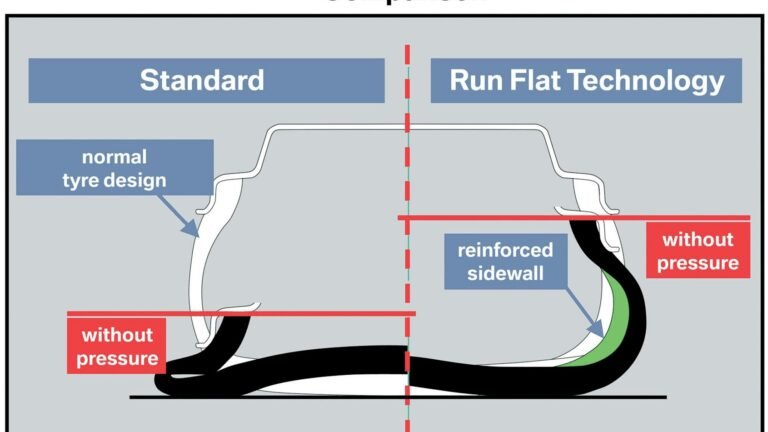
- Sidewall: The flexible side of the tire between the tread and wheel.
- Inner liner: The air-retaining layer inside a tubeless tire.
- Bead: The area that seats against the wheel.
A puncture repair must seal both the injury channel and the inner liner. Holding air is only part of the job; the tire’s structure must also remain sound.
Thick rubber does not cancel structural damage
A deep mud-tire lug may look like a large repair cushion. But the tire’s belts and body plies still carry the load beneath that rubber.
A cut that harms those parts is not made safe by adding a larger patch. Nor does a sidewall patch restore damaged cords.
Not all mud tires fall under the same guidance
Many road-going mud-terrain tires are passenger or light-truck radial tires. Some off-road tires use bias-ply construction or are made for specialty equipment.
Do not apply passenger/light-truck repair limits to every tire called a “mud tire.” Give the shop the exact brand, model, size, and intended use so it can check the right policy.

Patch vs. Plug: What Counts as a Proper Repair?
A proper permanent puncture repair seals the inside of the tire and fills the path left by the object. A patch and a plug serve different roles.
| Repair type | What it does | Main limit |
|---|---|---|
| Outside-in string plug | Fills part of the puncture from outside | Does not require the internal inspection needed to assess hidden damage |
| Patch alone | Seals the inner liner | Leaves the injury channel unfilled |
| Combination patch-plug | Uses a stem to fill the channel and a patch to seal the liner | Requires correct sizing, preparation, and installation |
| Approved two-piece repair | Uses a separate channel-filling stem and inner patch | Must follow the repair system’s instructions |
Shops often call a combination repair a “patch.” Ask what the service includes rather than relying on the name.
A useful question is: “Will you remove the tire, inspect it inside, fill the puncture, and patch the inner liner?”
USTMA guidance does not recognize an outside plug alone or an inside patch alone as a complete repair. Whether a one-piece or two-piece system fits the injury depends on the puncture and the repair manufacturer’s instructions.

What to Do When Your Mud Tire Starts Leaking
Stop safely, avoid further low-pressure driving, and arrange an inspection before treating the tire as roadworthy. If you hear a hiss or see a low-pressure warning after a trail run, resist the urge to drive on and “see how it does.”
1. Move to a safe place
Pull off the travel lane onto firm, level ground when possible. Avoid sudden steering or braking if the tire is losing air.
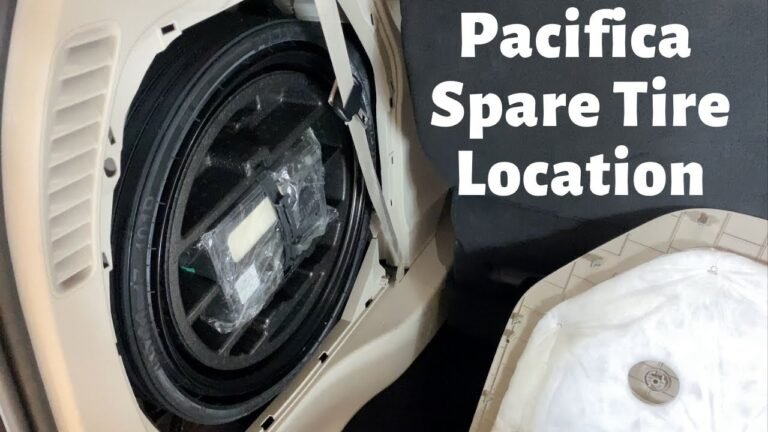
If the tire is flat, badly deformed, or visibly damaged, do not keep driving. Use a suitable spare or get roadside help.
2. Check for obvious damage without pulling the object out
Look for a screw, nail, cut, bulge, damaged valve, or wheel damage. Leave an embedded object in place until the tire can be handled safely; removing it may speed up the leak.
Do not crawl under a vehicle supported only by a jack.
3. Tell the shop how the tire was used
Share details that may change the repair decision:
- Whether you drove with the tire flat or very low.
- Whether you aired down for the trail.
- Whether the tire struck a rock or other hard object.
- Whether you added sealant or an outside plug.
- Whether the tire has earlier repairs.
A small nail hole can be repairable while the damage from driving on it is not.
4. Have the tire removed and inspected
The technician should inspect the inner liner, sidewalls, bead, puncture path, and prior repairs. The shop should also check the tire maker’s repair policy.
A tubeless mud tire can lose air through a valve or wheel-bead leak, too. A tread patch will not fix those causes.
5. Repair only if the tire qualifies
A qualified technician prepares the injury and inner liner, installs the correct repair components, and follows the repair system’s instructions. The tire is then remounted, inflated, checked for leaks, and balanced as needed.
For normal road use, use the vehicle maker’s specified cold pressure for the approved tire fitment. If the vehicle has a nonstandard tire size or load setup, obtain suitable load-and-inflation guidance rather than guessing.
Signs of success—and what failure means
A completed repair should pass the shop’s leak check, hold the correct pressure, and show no bulge or other defect. Normal driving should not bring new vibration, pulling, or repeated pressure warnings.
If the tire keeps losing air, have it checked again. Do not keep adding plugs or assume that topping it off makes it safe.

Can You Plug a Mud Tire on the Trail?
A trail plug may help manage an emergency, but it does not establish that the tire is safe for normal road use. An outside repair cannot reveal damage on the inside.
The safer option for a damaged tire is often a suitable spare. If you cannot change the tire safely or the spare is not usable, arrange recovery.
Do not assume a plugged tire is ready for highway speed because it holds air at the trailhead. It still needs to come off the wheel for inspection before a permanent repair decision.
Sidewall damage is a firm safety boundary. Multiple strings, glue, or a large patch do not restore a cut sidewall’s load-carrying structure.

Repair or Replace? Consider More Than the Hole
Repair makes sense only when the tire is structurally sound, the damage qualifies, and the manufacturer allows the repair. The price of a new mud tire should not decide whether a damaged one is safe.
Check the whole tire
A repairable nail hole does not cancel out severe wear, cracking, impact damage, or an unsafe prior repair. Ask the shop to assess the full tire, not just the source of the leak.
Repeated off-road impacts and low-pressure use also deserve attention. Tell the technician about them even if the tire looks normal from outside.
Check the repair policy and shop policy
A manufacturer may set limits on repairs, prior repairs, or continued use after a repair. A shop may also have a stricter service policy.
If a shop declines the job, ask why. “Sidewall injury,” “internal abrasion,” and “overlapping repair” describe different problems; a clear reason helps you choose the right next step.
If replacement is needed, check tire matching
Some AWD and 4WD vehicles have specific requirements for tire size, tread-depth differences, or rolling circumference. A new tire beside three worn tires may need further review.
Follow the vehicle owner’s manual and tire guidance. Do not assume you must replace all four tires—or that replacing only one is always acceptable.

FAQs
How long can a properly repaired mud tire last?
There is no fixed mileage promise. A qualifying repair may allow continued service, subject to the tire maker’s policy and the tire’s condition. Keep checking pressure, tread, and signs of damage; a repair does not restart the tire’s service life.
Can you patch a mud tire that already has a plug?
Possibly. The shop must remove the tire and assess the injury, the plug, and any damage caused during installation or later driving. A hole enlarged beyond repair limits may no longer qualify.
Can you put a tube inside a damaged tubeless mud tire?
A tube does not restore damaged cords, belts, beads, or sidewalls. It is not a workaround for structural damage. Any tube use must be approved for the specific tire and wheel application.
Does tire sealant prevent a later repair?
Not always, but the product and tire maker’s policies matter. Tell the shop which sealant you used. Sealant does not replace an internal inspection or make an otherwise unsafe injury repairable.
Will a puncture repair be covered by a warranty?
Coverage depends on the written warranty, road-hazard plan, and cause of damage. Check whether the plan includes repairs, replacement, mounting, or other charges. Do not assume an off-road puncture is covered.
Evidence and Research Scope
This guide applies U.S. passenger and light-truck tire repair principles; it does not establish repair approval for every mud-tire model. The primary references are USTMA’s tire repair guidance and NHTSA’s tire safety guidance.
Live browsing was not available for this article. Current manufacturer policies and competing pages were therefore not inspected. No hands-on tire testing, current price checks, or verified search-demand claims are presented.
The next-question map below records useful follow-up needs inferred from the repair task, not observed search queries.
| Next question | Reader stage and basis | Competitor coverage | Reader benefit and evidence needed | Priority and placement |
|---|---|---|---|---|
| Does airing down change repairability? | Before inspection; inferred from off-road use | Not checked | Disclose low-pressure use; internal inspection determines damage | High; inspection steps |
| Is a hole in an outer tread lug repairable? | During assessment; inferred from mud-tire design | Not checked | Avoid confusing a lug with the repairable tread area; use USTMA and model-specific guidance | High; repair limits |
| Will one replacement tire suit my 4WD vehicle? | After a repair is declined; inferred next decision | Not checked | Avoid an unsuitable tire mismatch; consult the vehicle manual | High; replacement section |

Conclusion
You can patch a mud tire when a qualified inspection confirms a small puncture in the approved tread area and no disqualifying damage. For a typical passenger or light-truck radial tire, the repair should fill the puncture channel and seal the inner liner—not merely plug the outside.
Use a spare or arrange recovery if the tire is flat, has sidewall damage, or may be unsafe. Then ask a tire shop to check the exact tire’s repair policy and inspect it off the wheel.