
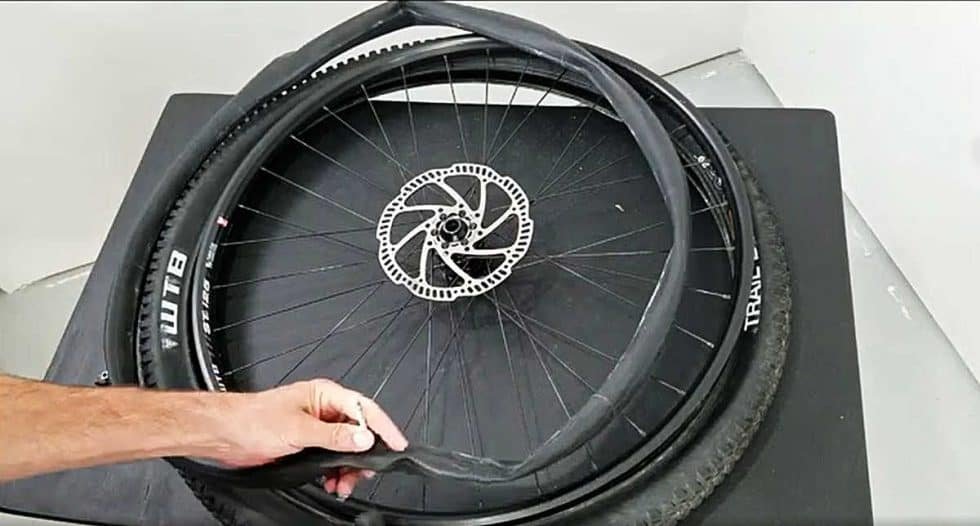
Do Bicycle Tires Have Inner Tubes: Tubed Vs. Tubeless

Do bicycle tires have inner tubes? Get a clear answer, compare tubed vs. tubeless tires, and learn how to identify your bike’s setup.
In the United States, many bikes use tires with inner tubes, but not all do. A bicycle tire may use a separate inner tube, a tubeless setup, or a less common design. The tire’s label alone does not always tell you what is inside.
For U.S. riders fixing a flat or buying a spare tube, the key is to check the wheel’s actual setup. A tire marked “tubeless ready” may still have a tube installed. Here is how each system works, how to tell them apart, and what to check before you make a repair.

Which Bicycle Tires Have Inner Tubes?
Tube-type tires need inner tubes. Tubeless tires do not need them when installed as a complete, compatible tubeless system. A few specialty tires work differently.
This table shows the main types you may find on a bicycle.
| Tire system | Does it have an inner tube? | What holds the air? | Where you may find it |
|---|---|---|---|
| Tube-type clincher | Yes | A separate tube inside the tire | Many commuter, kids’, hybrid, road, and mountain bikes |
| Tubeless clincher | No, when set up tubeless | The sealed tire-and-rim assembly | Many mountain, gravel, and road bikes |
| Tubeless-ready tire used with a tube | Yes | The installed tube | Bikes whose tires support more than one setup |
| Traditional tubular tire | Usually, enclosed within the tire | A tube sewn inside the tire casing | Some race bikes and older specialty wheels |
| Solid or airless tire | No | No air chamber is needed | Some utility and specialty bikes |
A clincher is a tire whose edges, called beads, fit into a compatible rim. Both tube-type and tubeless tires can use this basic design.
A tubular tire is not the same as a tubeless tire. Traditional tubular tires form a closed casing and attach to a special rim with glue or approved tape. Some newer specialty designs differ, so check the exact tire.
The bike’s category is only a clue. Two bikes of the same model can have different setups after repairs or upgrades.

What Does an Inner Tube Do?
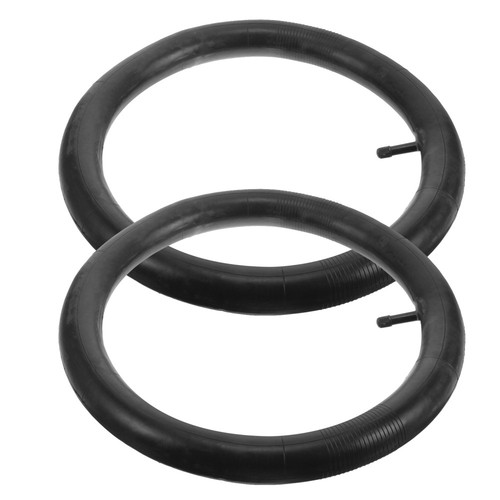
An inner tube is the flexible air chamber inside a tube-type tire. The outer tire provides grip, protects the tube, and helps support the load.
Think of the tube as a balloon held inside a tough shell. The tube holds air, but it needs the tire and rim to contain it. Do not inflate a loose tube to riding pressure outside the tire.
The main parts have distinct jobs:
- Tire: Contacts the road or trail and protects the air chamber.
- Tube: Holds air in a tube-type setup.
- Rim: Supports the tire and connects to the wheel’s spokes.
- Rim strip or tape: Protects the tube from spoke holes and sharp edges.
- Valve: Lets you add air and release it.
In a tubeless setup, the tire, rim, valve, and required sealing parts form the air chamber. Most tubeless-ready bicycle systems also need liquid sealant. The sealant helps stop small leaks and may seal some punctures, but it cannot repair every cut.

How Can You Tell Whether Your Bike Has Inner Tubes?
Check the bike’s service records first, then use labels as clues—not proof. If you still cannot confirm the setup, a careful internal check or a bike shop inspection can settle it.
1. Check the receipt, manual, or service record
Look for an explicit statement that the wheels were set up tubeless. “Tubeless compatible” and “tubeless ready” describe capability, not necessarily the current setup.
A previous owner or shop may also have installed a tube after a flat. The original bike specification may no longer match the wheel.
2. Read the tire sidewall
Terms such as “tubeless,” “tubeless ready,” “TLR,” or “TLE” indicate some form of tubeless capability. The exact meaning and installation rules depend on the brand.
A tube-type marking generally means the tire requires a tube. Never assume that sealant can make a tube-type tire safe for tubeless use.
3. Do not rely on the valve
A Presta valve does not prove that a tire is tubeless. Presta valves appear on both inner tubes and tubeless wheels.
A Schrader valve—the wider style also used on cars—does not settle the question either. Some tubeless systems use it.
A locknut at the rim is not proof. Both tube valves and tubeless valves may have one. Sealant residue is also only a clue, since some tubes contain sealant.
4. Inspect inside only if needed
If you are comfortable removing a tire, use this sequence:
- Secure the bike and remove the wheel as the bike maker directs.
- Release all air before lifting the tire bead.
- Open a short section of one side of the tire with an approved tire lever.
- Look for a separate flexible tube.
- If there is no tube, check for a separate valve, sealing tape where required, and possible sealant.
Tubeless sealant may spill. Wear eye protection, keep the wheel away from your face, and follow the sealant label for cleanup.
If the bead is hard to move, stop rather than force it with a screwdriver. A bike shop can check the setup without risking damage to the rim or tire.
Before riding again, restore the tire using the correct installation process. A disturbed tubeless bead may need to be reseated and checked for leaks.

How to Choose the Right Replacement Inner Tube
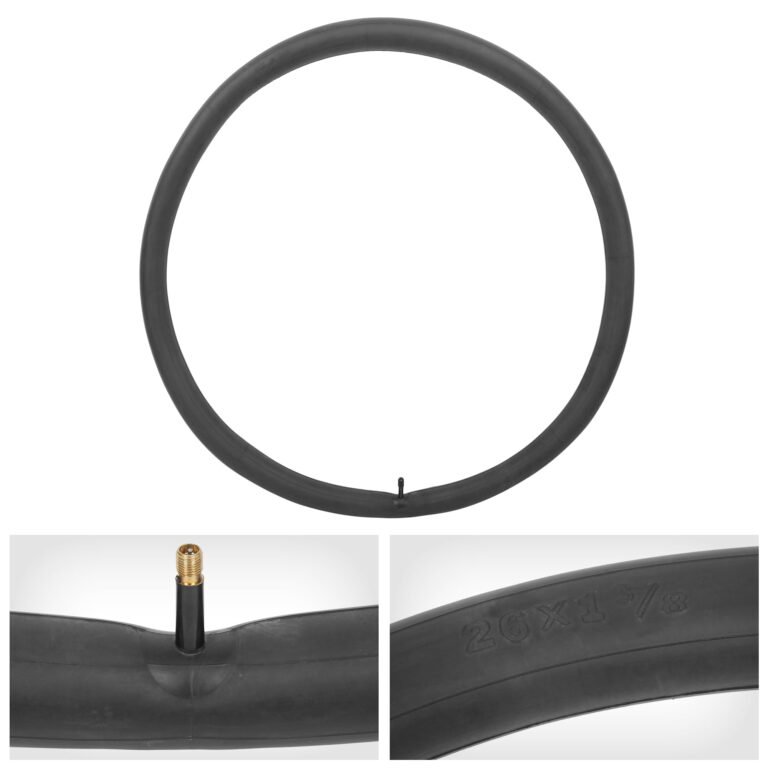
Match the tube to the tire’s diameter, width range, and valve requirements. A tube that looks close in size may still be wrong.
Match the tire’s size marking
Read the tire sidewall rather than guessing from the bike’s size.
For example, a tire marked 32-622 has a nominal width of 32 millimeters and a bead-seat diameter of 622 millimeters. Choose a tube intended for that diameter whose stated width range includes 32 millimeters.
You may also see a label such as 700 × 32C. The standardized millimeter marking is often clearer because common inch and letter names can be confusing. Sheldon Brown’s tire-sizing reference explains these naming differences.
Some tires called 700C and 29-inch share a 622-millimeter bead-seat diameter. That does not make every tube or tire in those groups interchangeable. Width, rim fit, and frame clearance still matter.
Match the valve and its length
Choose a valve that fits the rim’s valve hole:
- Presta: Narrow, with a small threaded tip that opens before inflation.
- Schrader: Wider, with a spring-loaded center pin.
- Dunlop/Woods: Found on some imported and utility bikes; match the existing system.
The valve must extend far enough beyond the rim for your pump head to grip it. Deep rims may need a longer valve or a compatible extension.
Do not drill a rim to fit a larger valve unless the rim maker expressly permits it.
Check the tube’s material instructions
Butyl, latex, and thermoplastic polyurethane, or TPU, tubes can have different installation and repair rules. Some also have limits tied to rim-brake heat, sealant, or use outside a tire.
Use the tube maker’s instructions for your exact model. Do not assume that one patch kit works on every tube material.
Can You Put a Tube in a Tubeless Bicycle Tire?
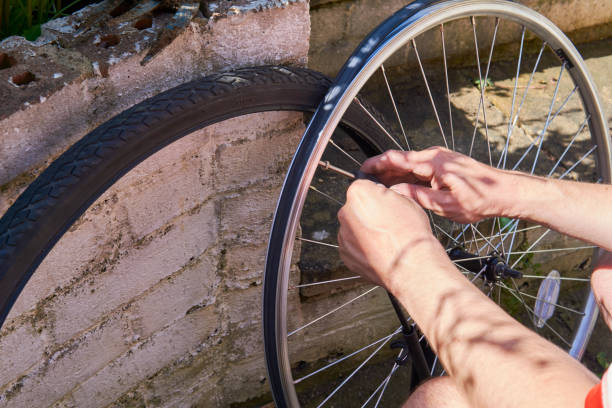
Often, yes—but only if the tire and rim makers permit that combination. A tube can be a useful backup when a tubeless puncture will not seal.
For a compatible setup, the repair usually involves removing the separate tubeless valve, checking the tire, and installing a correctly sized tube. Remove any thorn, glass, or sharp debris first. Otherwise, the new tube may go flat at once.
Three limits matter:
- A tube does not fix a damaged tire bead.
- A tube does not make an incompatible tire-and-rim pair safe.
- A tube may bulge through a large casing cut unless the damage can safely be supported with a suitable tire boot.
Hookless rims need particular care. These rims do not have the inward-facing bead hooks found on traditional hooked rims. Use only the tires and setups approved by the wheel and tire makers. Adding a tube does not waive those rules.
Also check for sharp or exposed objects inside a tubeless tire, including the inner ends of any installed repair plugs.
If the bead, rim, or sidewall has major damage, stop riding and seek a professional repair.

What Should You Do When a Bicycle Tire Goes Flat?
First confirm the system, then find the cause before replacing parts. A new tube will not solve a sharp rim edge, embedded glass, or a damaged tire.
Use the symptoms below to guide the first checks. They are clues, not firm diagnoses.
| Symptom | Possible causes | Useful first check |
|---|---|---|
| Tube goes flat again soon after repair | Debris in the tire, pinched tube, or rim-strip damage | Inspect the tire’s inside and the rim bed |
| Two nearby holes in a tube | A pinch flat from an impact | Check pressure, tire damage, and rim damage |
| Slow pressure loss | Small puncture, valve leak, or normal air loss | Check pressure trends and inspect the valve |
| Tubeless tire leaks at the bead | Poor seating, contamination, damage, or incompatible parts | Stop riding and check fit and seating |
| Air escapes near a tubeless valve | Valve seal issue or air entering the rim through a tape defect | Inspect the valve and tape as the maker directs |
| Tire bulges or sits unevenly | Trapped tube, poor bead seating, or casing damage | Deflate at once and inspect |
On a tube-type tire, rim tape usually protects the tube. On a tubeless wheel, sealing tape—when required—must also keep air out of the spoke holes. Not all rims use the same tape system.
For tube replacement, Park Tool’s tire and tube removal and installation guide is a useful technical reference.
After any repair, check that:
- The bead sits evenly around both sides of the rim.
- No tube is trapped under the bead.
- The valve sits straight.
- The tire holds pressure.
- The wheel is secure and the brakes work.
Inflate within the approved limits for the complete tire-and-rim setup, including tube limits where relevant. Never exceed the lowest applicable maximum. If the stated ranges conflict, ask the manufacturer or a qualified bike mechanic.

Should You Keep Tubes or Switch to Tubeless?
Keep tubes if simple repairs and a familiar setup meet your needs. Consider tubeless if its puncture-sealing benefits suit your riding and your wheels support it.
| Your priority | Tube-type setup | Tubeless setup |
|---|---|---|
| Straightforward roadside repair | A spare tube is a familiar option | May need a plug, sealant, or backup tube |
| Sealing small tread punctures | Standard tubes do not self-seal | Suitable sealant may seal some holes |
| Avoiding tube pinch flats | The tube can be pinched in an impact | There is no tube to pinch |
| Routine maintenance | Check pressure and inspect parts | Also check sealant and sealing components |
| Initial setup | Usually needs fewer sealing parts | Requires verified compatibility and correct installation |
Tubeless does not mean flat-proof. A hard impact can still damage the tire or rim, and a large cut may not seal.
Do not convert a wheel simply by removing its tube and adding sealant. Confirm the rim, tire, valve, tape requirements, and pressure limits first. If the compatibility is unclear, have a shop check it.

FAQs
Do e-bike tires have inner tubes?
Many do, while others use tubeless systems. The motor does not determine the tire setup. Check the actual wheel and use parts rated for the bike’s intended load and use.
On some hub-motor e-bikes, rear-wheel removal involves cables, axle hardware, or torque components. Follow the bike’s manual or use a qualified shop.
Can an inner tube be patched instead of replaced?
Often, a small puncture in a sound tube can be patched with a kit approved for that material. Valve-base tears, large splits, and damaged seams usually call for replacement.
Find the puncture’s cause before reinstalling the tube.
Does a tubeless tire need sealant topped up?
Most tubeless-ready bicycle systems need periodic sealant checks and replenishment. The interval depends on the sealant, tire, climate, and use. Follow the product’s directions rather than relying on one schedule for every bike.
Can you ride a bicycle with a flat tire?
Do not keep riding on a flat. It can damage the tire and rim and reduce control. Stop in a safe place, then repair the flat or arrange transport.
Does the pressure printed on the sidewall tell you the best riding pressure?
Not necessarily. A maximum pressure is a limit, not a target. Riding pressure depends on tire size, load, terrain, and the wheel system’s approved range. Use the tire and wheel makers’ guidance.
Research Scope and Next-Question Gap Map
This guide covers tire identification and basic repair decisions for U.S. bicycle owners. Live browsing was not available, so current search results, competing pages, and model-specific manuals were not inspected. The linked technical references provide further reading; confirm current compatibility and safety limits with your equipment’s manufacturer.
The following questions are inferred next needs, not verified search-demand findings. No competitor gap is claimed.
| Next question | Reader stage and basis | Competitor coverage | Reader benefit and answer basis | Priority and placement |
|---|---|---|---|---|
| Does “tubeless ready” mean no tube is installed? | Before buying parts; inferred from label ambiguity | Not checked | Prevents buying the wrong repair supplies; distinction between capability and installation | High; identification section |
| Can a tube rescue a failed tubeless tire? | During a flat; inferred from roadside repair needs | Not checked | Explains compatibility and damage limits; exact approval needs manufacturer guidance | High; backup-tube section |
| Which tube fits a 700C or 29-inch tire? | Before purchase; inferred from overlapping size names | Not checked | Reduces size errors; standardized diameter and width matching | High; sizing section |
| Why does a new tube keep going flat? | After repair; inferred from unresolved puncture causes | Not checked | Directs inspection toward debris, tape, and installation faults | High; troubleshooting section |
Conclusion
Many bicycle tires have inner tubes, but the current wheel setup—not the bike type or valve style—determines the answer. Tubeless-ready tires can still contain tubes, and special systems have their own rules.
Start with the service record and tire markings. If doubt remains, have the tire checked before buying parts. For a replacement tube, match the tire’s diameter, width range, and valve, then fix the cause of the flat before riding again.

One Comment
Comments are closed.