Can A Bad Rim Cause A Flat Tire: Signs And Fixes

Can a bad rim cause a flat tire? Learn how damaged rims cause air leaks, spot warning signs, and find out when to repair or replace your wheel.
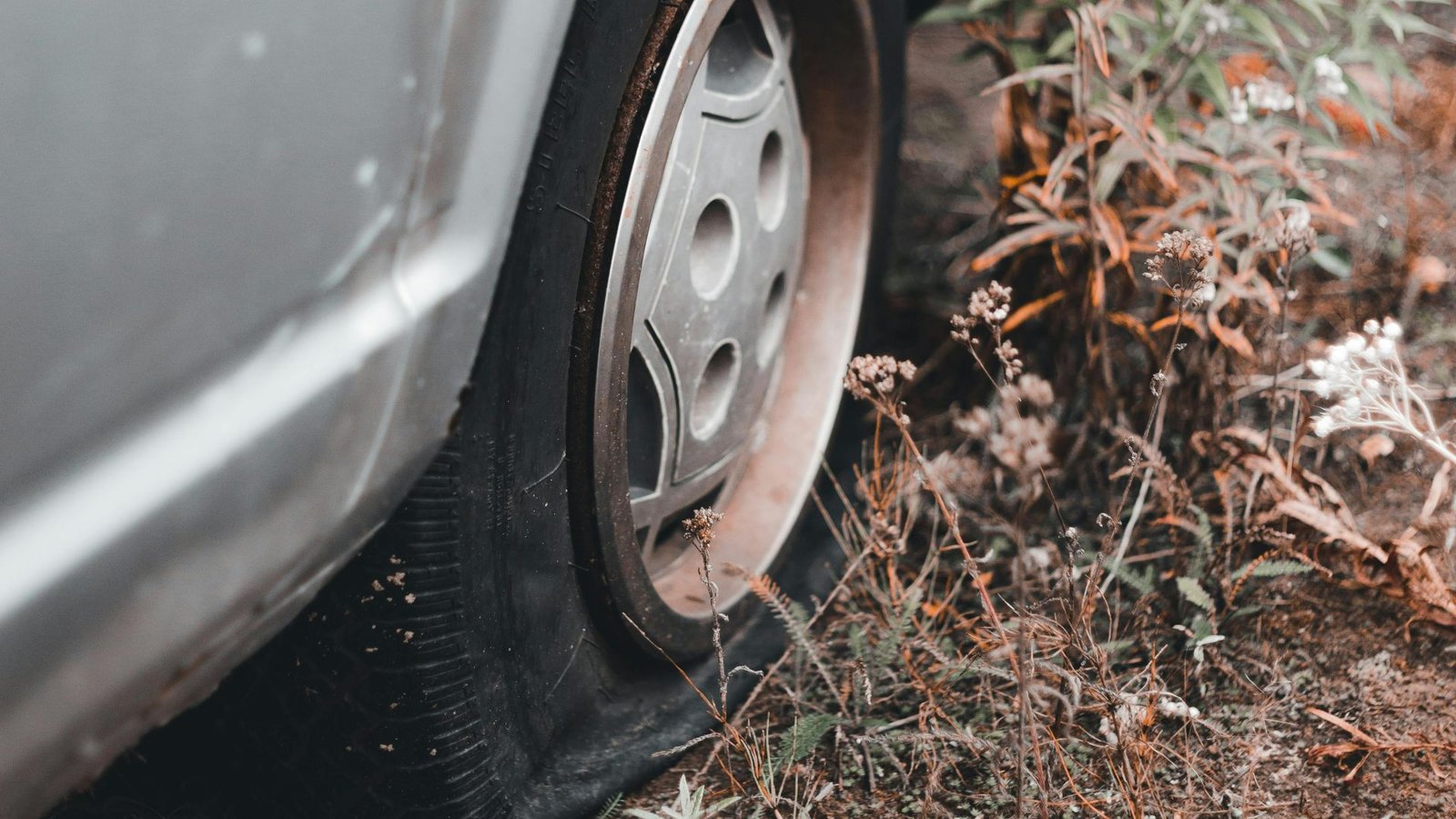
Yes. A bad rim can cause a flat tire if a bend, crack, or corroded surface lets air escape. On U.S. roads, potholes, curb strikes, and winter road salt can damage a wheel or weaken its seal with the tire. The result may be a slow leak, repeated low-pressure warnings, or a sudden loss of air.
But a tire that keeps going flat does not prove the rim is bad. A nail, leaking valve stem, or damaged tire bead can cause the same problem. The key is to find the leak before paying for a wheel repair or a new tire.
How Can a Bad Rim Make a Tire Go Flat?
A damaged rim can break the airtight seal between the tire and wheel, or allow air to pass through the wheel itself.
Most modern passenger vehicles use tubeless tires. The tire’s bead—the strong inner edge on each side—seats against the wheel to hold air. Think of that contact area as the seal on a jar: damage at the edge can let pressure escape.
People often use “rim” to mean the whole wheel. More precisely, the rim is the outer part that supports the tire. That distinction helps explain the main ways a wheel can leak.
A bent rim can disrupt the bead seal
A pothole or curb strike can bend the wheel’s outer or inner edge. If the bend distorts the bead seat, the tire may no longer seal against it.
Not every bent wheel leaks. A small bend may cause vibration without air loss, while damage in the bead-seat area can affect both ride quality and pressure.
A cracked wheel can leak through the metal
A crack that reaches the wheel’s air chamber can let air escape. Some cracks are hard to see without removing the wheel or tire.
A crack is also a structural concern, not just an air leak. A tire that holds pressure after inflation does not prove that a cracked wheel is safe.
corrosion can create a path under the bead
Rust on a steel wheel, or corrosion and coating damage on an alloy wheel, can leave a rough bead-seat surface. Air may seep through the gaps between that surface and the tire.
Winter road salt can contribute to corrosion. However, visible corrosion alone does not confirm where a leak starts.
Damage near the valve hole can cause a leak
The valve stem passes through the wheel. Corrosion, a damaged sealing surface, or a faulty valve seal can allow air to escape at that point.
In this case, the wheel may not need replacement. The fault could be in the valve stem or the seals used with a tire pressure monitoring system, or TPMS, sensor.

Signs of a Rim Leak—and What Else Could Cause Them
Repeated pressure loss in one tire is a reason to inspect the whole tire-and-wheel assembly, not just the tread. Use the signs below to narrow the search, but do not treat any one symptom as proof.
| What you notice | Possible wheel-related cause | Other causes to check |
|---|---|---|
| One tire loses air over several days | Bead-seat corrosion, a small crack, or a distorted seal | Nail, valve leak, or tire damage |
| Air loss begins after a pothole hit | Bent or cracked wheel | Pinched sidewall or damaged bead |
| Bubbles form where the tire meets the wheel | Bead-seat leak | Damaged tire bead or poor seating |
| Bubbles form at the valve | Damaged valve-hole surface | Loose or failed valve core, stem, or seal |
| Steering wheel or seat vibration | Bent wheel | Tire imbalance, tire damage, or suspension fault |
| Several tires read low after a cold night | Not enough evidence of wheel damage | Temperature-related pressure drop |
The most useful clue is a confirmed leak location. Vibration alone does not prove a rim leak, and a low-pressure light does not identify the failed part.
Cold weather can look like a leak
Tire pressure falls as temperatures drop. If several tires read low after a cold night, temperature may explain part of the change.
Still, do not dismiss a tire that keeps losing more pressure than the others. Inflate to the vehicle’s recommended cold pressure, record the readings, and compare them under similar conditions.
Cosmetic damage is not the same as structural damage
A light curb scrape may affect only the finish. A bent flange, crack, or damaged bead seat is a different concern.
A wheel’s outside face can also look sound while its inner edge is bent. That is why an inspection may require wheel removal.

How to Check Whether the Rim Is Causing the Leak
Start with pressure and a visual check. Leave tire removal, wheel straightening, and structural inspection to a qualified shop.
You will need a tire pressure gauge, access to the vehicle’s pressure placard, and enough light to inspect the tire. For an optional leak check, use a commercial tire leak-detection solution or a small amount of mild soap mixed with water.
1. Decide whether the vehicle is safe to move
If the tire is flat, visibly damaged, partly off the rim, or losing air fast, do not drive on it. Use an approved spare as directed in the owner’s manual, or call roadside assistance.
If the tire has been driven flat or severely underinflated, do not assume it is safe to refill and drive. Hidden internal damage may require tire removal to detect.
If pressure loss occurs while driving, hold the steering wheel firmly, ease off the accelerator, and move to a safe stopping place. Avoid abrupt braking or steering.
2. Check the cold tire pressure
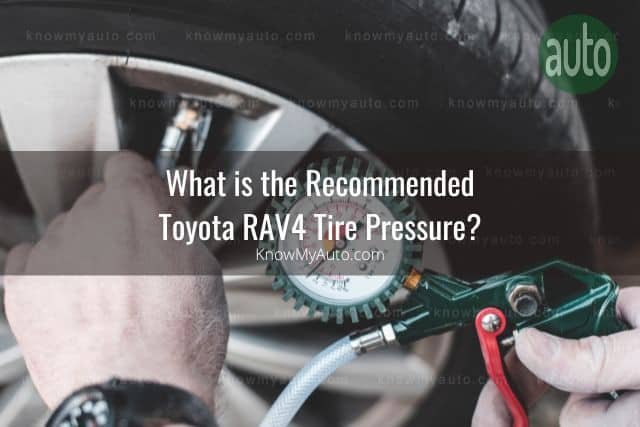
Use the pressure listed on the driver-side door-jamb placard or in the owner’s manual. Do not use the maximum pressure molded into the tire sidewall as your target.
NHTSA advises checking tires when cold—generally after the vehicle has not been driven for at least three hours. Record each tire’s pressure, along with the date and conditions.
Do not wait for the TPMS warning to judge whether a tire needs air. The system warns of significant underinflation; it is not a substitute for a gauge.
3. Inspect the tire and visible wheel surfaces
Look for:
- A visibly bent wheel edge.
- Cracks or missing pieces.
- A sidewall cut, bulge, or pinch mark.
- A nail or screw in the tread.
- Corrosion near the bead or valve.
- An uneven gap where the tire meets the wheel.
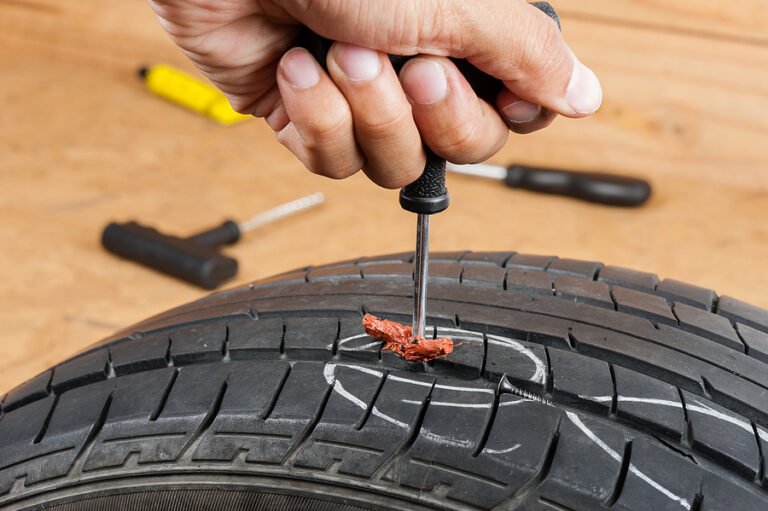
Do not pull out an embedded nail or screw. Removing it can turn a slow leak into a fast one.
Never crawl under a vehicle supported only by a jack. A shop can inspect the inner wheel edge safely on a lift.
4. Check accessible areas for bubbles
Only do this if the assembly has no visible crack, bulge, displaced bead, or other sign that makes inflation unsafe.
Apply leak-detection solution to the valve opening, valve base, visible bead area, and any suspected tread puncture. Bubbles that keep growing at one point suggest an active leak. Foam left by spraying is not enough on its own.
Do not add extra air to force a leak to appear. Never exceed the vehicle’s specified pressure for this check.
5. Have the shop confirm the cause
Tell the shop when the pressure loss started, whether you hit a pothole, and how fast the tire loses air. Ask for inspection of the tire, wheel, valve, and bead seats.
A useful diagnosis may include:
- Leak testing the complete assembly.
- Inspecting both sides of the wheel.
- Removing the tire to check the bead and inner liner.
- Checking wheel runout, or how far it moves out of true as it turns.
- Inspecting the valve stem and TPMS seals.
Success means more than finding bubbles. The repair must address the cause, the wheel must be safe to use, and the tire must be fit for service. If no leak appears during a basic test but pressure loss continues, return for further diagnosis rather than repeatedly adding air.

Does a Bad Rim Need Repair or Replacement?
The right choice depends on the damage, wheel design, and vehicle or wheel maker’s guidance. A bead-seat leak may need surface service, while a cracked or badly distorted wheel may need replacement.
| Confirmed problem | Possible next step | Key limit |
|---|---|---|
| Surface corrosion at the bead seat | Remove tire, assess corrosion, clean and restore the sealing surface as allowed | Deep pitting or metal loss may rule out continued use |
| Leaking valve or TPMS seal | Replace the failed valve parts or approved service seals | The wheel’s valve hole must also be sound |
| Bent wheel | Check repair eligibility and measure distortion | Not every wheel or bend is suitable for straightening |
| Cracked wheel | Assess for replacement under applicable manufacturer guidance | An airtight weld does not establish structural safety |
| Damaged tire bead | Inspect tire and replace if unserviceable | Wheel work cannot fix a torn or deformed tire bead |
Do not hammer a wheel back into shape, apply heat at home, or treat sealant as a structural repair. Wheel damage can affect strength even when the tire holds air.
A shop’s ability to straighten or weld a wheel is not proof that the repair meets the vehicle or wheel maker’s requirements. Ask what guidance supports the proposed repair.
Can the same tire go back on the wheel?
Sometimes, but it must pass inspection first. A tire that lost air while parked may be in a different condition from one driven flat at highway speed.
Underinflated driving can damage the tire internally. A bead injury, sidewall damage, or inner-liner damage may require tire replacement even after the wheel problem is fixed.
What if you need a replacement wheel?
Match more than diameter and appearance. The replacement must have suitable width, offset, bolt pattern, load capacity, brake clearance, and tire compatibility.
Use the vehicle maker’s specifications or a qualified fitment source. A wheel that bolts on is not automatically the right wheel.

Can You Drive With a Slow Rim Leak?
Do not assume a slow leak is safe because the tire still looks round. A tire can be underinflated without looking flat, and the leak rate alone does not reveal whether the wheel is cracked.
Avoid driving and arrange help if you find:
- A visible wheel crack or severe bend.
- Rapid pressure loss.
- A tire that is flat or partly unseated.
- A sidewall bulge, deep cut, or exposed cords.
- New, strong vibration after an impact.
- A tire that will not hold the specified pressure.
If the tire is at the correct pressure, has no visible damage, and loses air slowly, ask the repair shop whether a short trip is appropriate. Remote advice cannot establish the wheel’s structural condition.
Common mistakes that make the problem worse
Adding air every few days without diagnosis leaves the cause unresolved. It may also allow an unnoticed tire injury to worsen.
Other mistakes include:
- Buying a new tire before checking the wheel and valve.
- Assuming every bead leak requires a new wheel.
- Using tire sealant to conceal a crack.
- Driving on a flat to avoid the cost of a tow.
- Treating wheel balancing as a repair for a bend.
Balancing corrects uneven mass around the assembly. It does not restore a bent wheel’s shape or repair a crack.

How to Confirm the Fix Worked
Check that the repair stopped the leak and that pressure stays stable under similar conditions. Ask the shop to explain the exact leak location and what was repaired or replaced.
Before leaving, confirm that the tires are set to the vehicle’s specified cold pressure, allowing for the shop’s procedure and tire temperature. Ask whether any TPMS reset or relearn is needed for your vehicle.
Recheck pressure when the tires are cold over the next several days. Compare readings at similar temperatures, since a change in weather can affect pressure.
If the same tire continues to lose air, return to the shop. More than one leak can exist, and fixing a valve leak does not rule out a separate bead or tread leak.

FAQs
Can a brand-new tire go flat because of an old rim?
Yes. A new tire still needs an airtight seal with the wheel. Corrosion, a bend, a crack, or a leaking valve can cause pressure loss even when the tire is new.
Can a wheel leak without a visible crack?
Yes. Air can escape at the bead seat or valve, and some damage is hidden on the inner side of the wheel. The absence of a visible crack does not rule out a wheel-related leak.
Will tire sealant fix a rim leak?
Do not rely on tire sealant to repair a damaged wheel. Emergency sealants have product-specific limits and do not restore wheel strength. Follow the vehicle and sealant instructions, and tell the shop if you used one.
Does a slow leak mean the tire will blow out?
Not necessarily. But driving with low pressure increases tire flex and heat, which can lead to damage and failure. The safe response is to correct the pressure and diagnose the leak, not predict how long the tire will last.
Will a wheel alignment stop a rim leak?
No. Alignment adjusts wheel angles relative to the vehicle and road. It does not seal a bead leak, replace a valve, or repair a wheel crack.
Conclusion
A bad rim can cause a flat tire by breaking the bead seal or leaking through a crack or damaged valve-hole area. But punctures, valve faults, and tire damage can cause the same symptoms.
The next step is to locate the leak and inspect both the tire and wheel. Do not drive on a flat, assume a cracked wheel is safe because it holds air, or replace parts before confirming the cause.
Sources and Research Scope
This guide uses established tire-safety principles and points readers to these U.S. primary-source resources:
- NHTSA: Tires — Tire pressure, TPMS, maintenance, and tire-safety guidance.
- U.S. Tire Manufacturers Association: Tire Care and Safety — Tire inspection, care, and repair resources.
- Your vehicle owner’s manual and wheel manufacturer’s instructions — The controlling sources for pressure, spare-tire use, wheel fitment, and applicable repair limits.
Live browsing was not available for this article. Current competitor pages and manufacturer-specific wheel repair policies were not verified, and no hands-on testing was performed. The guidance does not establish whether a particular damaged wheel is safe to repair.
Next-question coverage map
These are inferred reader needs, not verified search-demand findings. Competitor coverage was not checked.
| Next question | Reader stage and basis | Reader benefit and evidence needed | Priority and placement |
|---|---|---|---|
| Is it the rim, tire, or valve? | Before repair; inferred from overlapping symptoms | Avoid replacing the wrong part; requires leak testing and inspection | High; symptom table and diagnostic steps |
| Can the tire be reused after going flat? | During repair; inferred from underinflation risk | Avoid hidden tire damage; requires internal inspection and tire-maker criteria | High; repair section |
| How do I know the repair worked? | After repair; inferred from repeat-leak risk | Detect an unresolved or second leak; requires cold-pressure checks and retesting | High; repair confirmation section |